Sri Lanka
 USA
USA Canada
 India
India UK
UK UAE
UAE




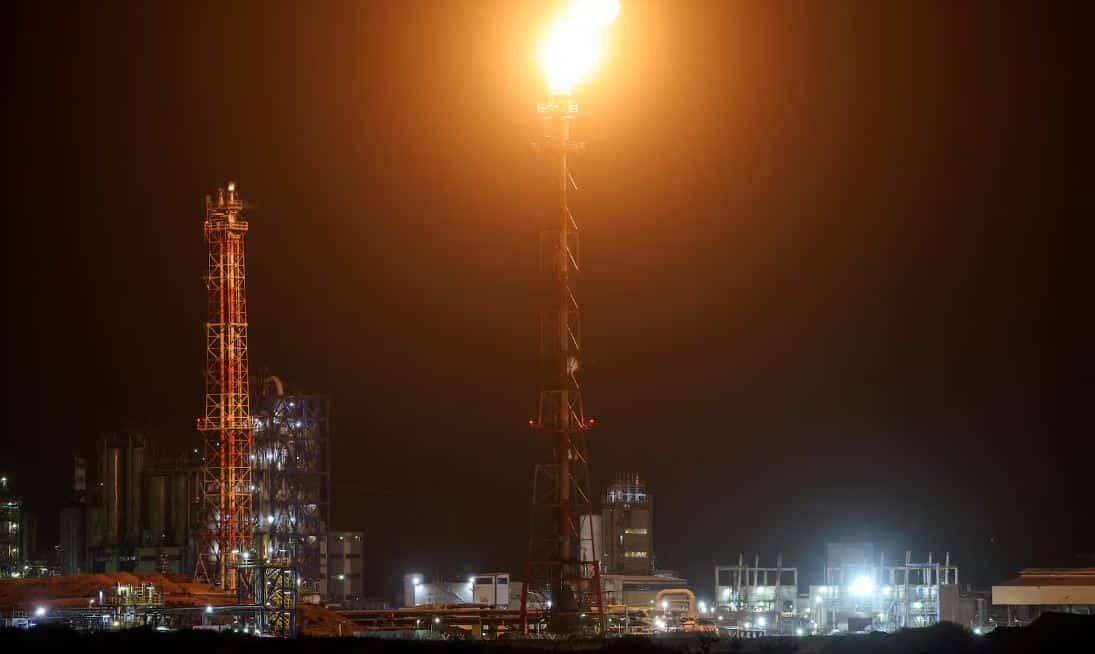
Donald Trump has said he advised Israel against launching additional attacks on Iran’s natural gas infrastructure, as escalating strikes on key energy facilities continue to drive global prices higher and deepen the ongoing conflict.
The war, involving the United States and Israel against Iran, has already claimed thousands of lives and expanded across the region since it began on February 28, following the collapse of negotiations over Tehran’s nuclear programme. The unrest has also begun to weigh heavily on the global economy.
Energy markets reacted sharply after Iran retaliated to an اسرائیلی strike on a major gas field by targeting Ras Laffan Industrial City in Qatar—one of the world’s most critical liquefied natural gas processing centres. The damage is expected to take years to repair. Meanwhile, Saudi Arabia’s main Red Sea export hub was also hit, despite efforts to reroute shipments away from the Strait of Hormuz, a vital global oil passage.
The latest exchanges have highlighted both Iran’s ability to inflict significant economic damage and the vulnerability of key energy infrastructure across the Gulf, even with advanced defence systems in place.
Speaking from the White House, Trump said he directly urged Israeli Prime Minister Benjamin Netanyahu to refrain from repeating such strikes. He indicated confidence that Israel would comply with his request.
Amid rising fuel prices and political pressure at home ahead of upcoming elections, Trump has also criticised allies for what he described as a cautious response to U.S. calls to help secure the Strait of Hormuz, through which a significant share of the world’s oil supply flows.
Although reports suggested the U.S. was considering deploying additional troops to the Middle East, Trump dismissed the idea of sending ground forces, stating clearly that no such plans were in place.
Netanyahu later confirmed that Israel had independently carried out the strike on Iran’s South Pars gas field, while acknowledging that Trump had asked for restraint on targeting energy infrastructure. He added that while Iran had been significantly weakened by weeks of airstrikes, any fundamental political change within the country would require more than aerial operations.
At the same time, hostilities showed no sign of easing. Iran launched fresh missile attacks toward Israel, while Israeli forces reported carrying out over 130 strikes on targets across western and central Iran within a single day, hitting missile systems, drones, and air defences.
Separately, authorities in the United Arab Emirates announced the dismantling of a network allegedly linked to Hezbollah and Iran.
Energy Crisis Deepens
With tensions continuing to rise and fears of a global oil shock increasing, several major economies—including Britain, Canada, France, Germany, Italy, the Netherlands, and Japan—issued a joint statement expressing readiness to support efforts to ensure safe navigation through the Strait of Hormuz. They also signalled willingness to take further steps to stabilise energy markets, including boosting production.
However, there were few signs of immediate action. German Chancellor Friedrich Merz stressed that any involvement in securing the strait would likely come only after the conflict subsides.
The cautious stance from U.S. allies reflects broader uncertainty about the objectives and direction of the war, which many leaders say they did not initiate and have limited influence over.
Differences in strategy between Washington and Tel Aviv have also emerged. While Israel has focused on weakening Iran’s leadership, U.S. priorities have centred on dismantling Iran’s missile capabilities and naval strength, according to intelligence officials.
Iran, meanwhile, has warned that attacks on its energy infrastructure mark a turning point in the conflict. Military officials stated that any further strikes would trigger sustained retaliation against energy assets belonging to the United States and its allies.
The impact is already being felt. QatarEnergy’s leadership indicated that recent strikes have reduced the country’s LNG export capacity significantly, with repairs expected to take several years.
As the conflict enters a more volatile phase, concerns continue to grow over its long-term consequences for regional stability and the global energy supply.