Sri Lanka
 USA
USA Canada
 India
India UK
UK UAE
UAE




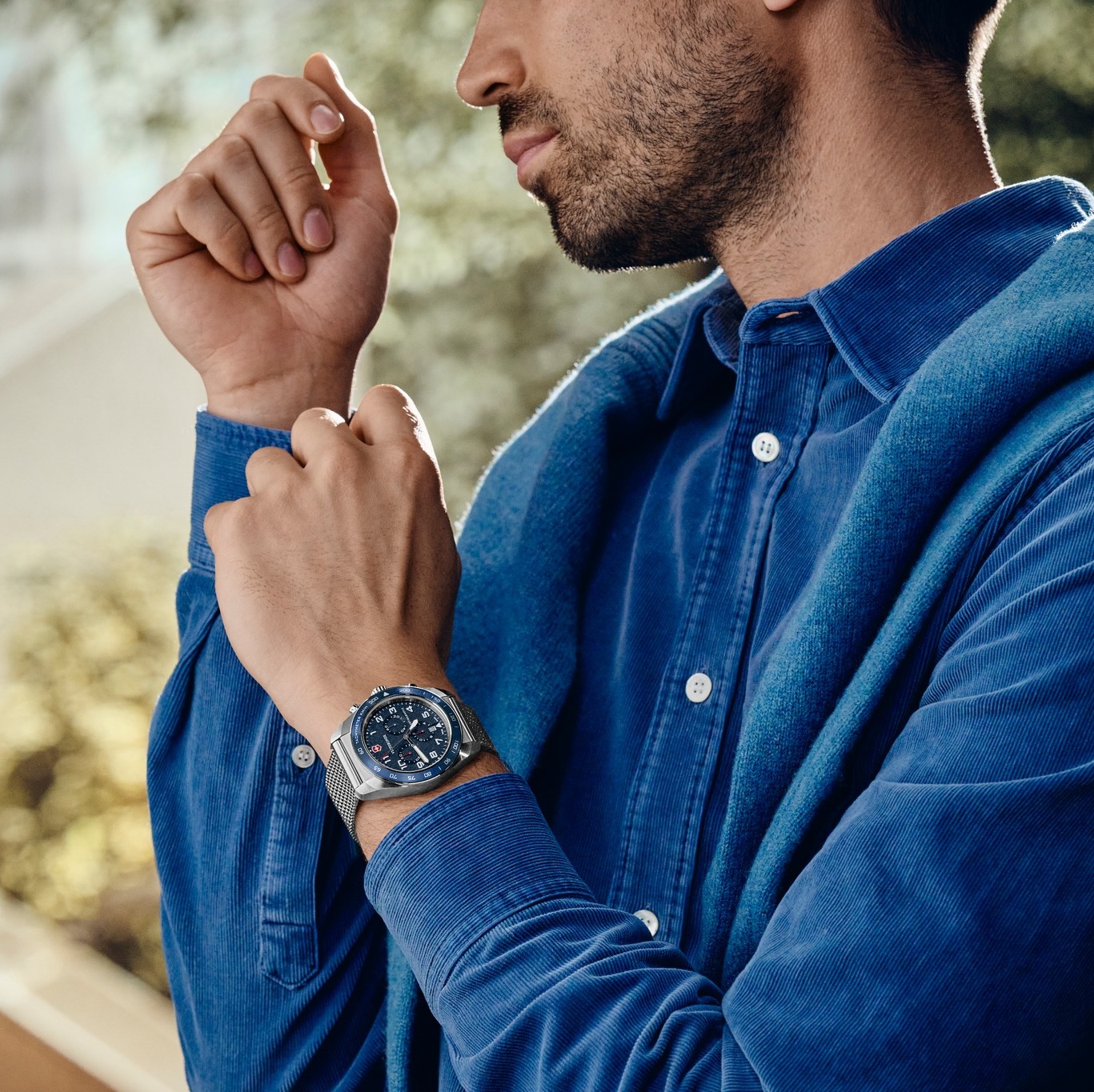
Swiss luxury watchmakers are accelerating their expansion in India, opening new retail outlets, forming strategic partnerships, and setting ambitious growth targets as demand rises among the country’s wealthy consumers.
Often referred to as “timepieces” by collectors, these high-end watches are increasingly viewed not just as functional accessories but also as status symbols and long-term investment assets.
India’s Luxury Market Gains Momentum
The growing interest comes as India’s luxury sector continues to mature, supported by improved market access and a landmark trade agreement signed last year between India and the European Free Trade Association (EFTA), which includes Switzerland.
Major global brands such as Cartier, Omega, and Rolex—once considered exclusive to ultra-premium buyers—are now witnessing strong traction in India after years of focusing on markets like Shanghai and Hong Kong.
Luxury watchmaker TAG Heuer recently launched its first franchise boutique near New Delhi, describing India as a “priority market” and outlining plans to double its business within the next five years.
Rising Wealth Driving Demand
Industry experts say the surge in demand is being fueled by the rapid rise in high-net-worth individuals and changing consumer preferences.
“I feel like now Indians are moving towards horology and not just the brand and the status,” said Ansh Barodia, owner of Gangoly Watch and Eyewear, one of Delhi’s oldest luxury watch retailers.
“Consumers now want legacy pieces—watches that can be passed down across generations,” he added.
This shift in mindset is encouraging further expansion from brands such as Hublot and Rolex, which are strengthening their footprint in the Indian market.
Swiss watchmaker Rado has already identified India as its largest global market, surpassing both China and the United States.
Retail Expansion and Infrastructure Growth
Experts also point to rapid improvements in luxury retail infrastructure as a key growth driver.
“There is significant expansion in premium retail real estate, which previously acted as a major bottleneck for boutique openings,” said Mitrajit Bhattacharya, founder of Mumbai-based watch consultancy The Horologists.
He also noted that more luxury brands, including jewellery house Van Cleef & Arpels, are expected to enter the Indian market this year.
Strong Shift Toward Premium Segment
Market data reflects a clear premiumisation trend. The share of premium and luxury watches in India’s total watch sales has risen sharply from 48% in 2020 to around 70% in the 2025 financial year.
Trade Deal Boosts Long-Term Outlook
Growth prospects have further strengthened following India’s trade agreement with EFTA, which came into effect in September last year. The deal has reduced import duties on Swiss watches from 22% to just above 15%, with tariffs expected to gradually fall to zero by 2031.
However, challenges remain. A weakening Indian rupee against the Swiss franc may impact pricing, while rising costs of precious metals continue to pressure manufacturers.
Gold price volatility, in particular, remains a concern for high-end luxury watchmakers, experts warn.
Outlook Remains Strong
Despite these risks, India’s luxury watch market is projected to grow by 11–12% in the coming years, outperforming several global markets amid economic uncertainty.
As international luxury brands recalibrate their global strategies, India is increasingly emerging as a key growth frontier—offering scale, aspiration, and long-term opportunity.