Sri Lanka
 USA
USA Canada
 India
India UK
UK UAE
UAE




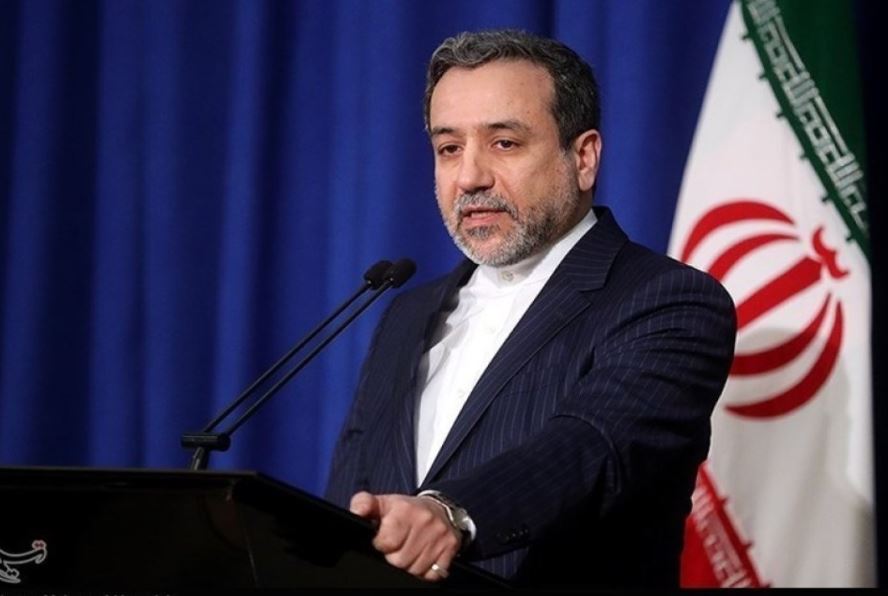
Abbas Araghchi has indicated that Iran is prepared to enter a temporary ceasefire, provided that all military attacks against the country are immediately halted.
Speaking amid heightened regional tensions, the foreign minister emphasized that Tehran’s willingness to pause hostilities is directly tied to a reciprocal de-escalation. He made it clear that any agreement would depend on the complete suspension of strikes targeting Iran.
Araghchi further revealed that, under such conditions, Iran would allow controlled access through the strategically vital Strait of Hormuz for a period of two weeks. This narrow maritime corridor is a crucial artery for global energy supplies, carrying a significant share of the world’s oil and gas shipments.
According to the Iranian official, the reopening of the strait would not be immediate or unconditional. Instead, it would take place through close coordination with Iran’s armed forces, ensuring that all operational and security considerations are carefully managed.
He also noted that the process would be influenced by “technical limitations,” suggesting that logistical, military, and navigational factors could impact how quickly and smoothly shipping routes are restored.
The announcement comes at a time of escalating uncertainty in the Middle East, with global markets closely watching developments around the Strait of Hormuz. Any disruption in this passage has the potential to significantly affect international energy prices and supply chains.
Iran’s conditional offer signals a possible opening for diplomatic engagement, though the situation remains fragile. Much will depend on whether opposing parties are willing to halt military actions and engage in meaningful negotiations during the proposed two-week window.
While the ceasefire proposal offers a pathway to ease immediate tensions, analysts caution that long-term stability in the region will require sustained dialogue and broader agreements addressing security concerns on all sides.