Sri Lanka
 USA
USA Canada
 India
India UK
UK UAE
UAE




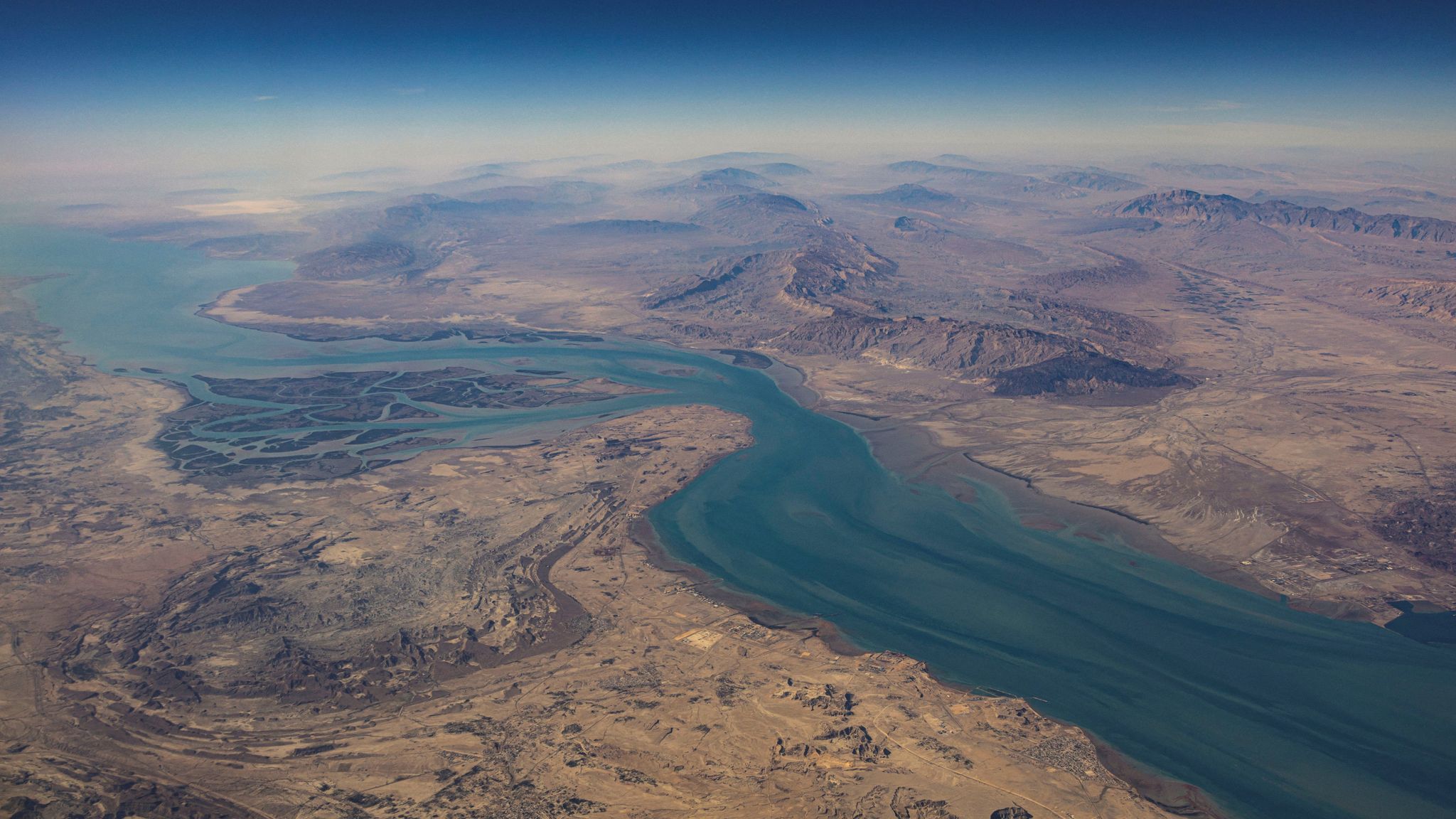
The United Nations Conference on Trade and Development (UNCTAD) has issued a report highlighting serious concerns that the ongoing closure of the Strait of Hormuz could lead to a significant rise in global food prices and exacerbate cost-of-living pressures worldwide.
In its analysis, UNCTAD pointed out that increases in energy, fertiliser, and transportation costs as a result of the disruption could directly translate into higher food prices, with the most vulnerable populations likely to bear the heaviest burden.
The report notes that the Strait of Hormuz is a critical chokepoint for global energy and shipping. Approximately 38 percent of the world’s crude oil, 29 percent of liquefied petroleum gas (LPG), and 19 percent of liquefied natural gas (LNG) pass through this narrow maritime corridor. In addition, about one-third of all fertilisers shipped by sea globally are transported via the Strait.
The potential consequences of the disruption are expected to be particularly pronounced in Asia, which receives around 84 percent of the goods transported through the Strait, according to UNCTAD. Analysts warn that the combination of higher shipping costs, energy prices, and limited access to essential fertilisers could strain food supply chains and increase living costs for millions of people in the region and beyond.
UNCTAD’s findings serve as a stark reminder of the interconnected nature of global trade and the vulnerability of critical supply routes to geopolitical tensions.