Sri Lanka
 USA
USA Canada
 India
India UK
UK UAE
UAE




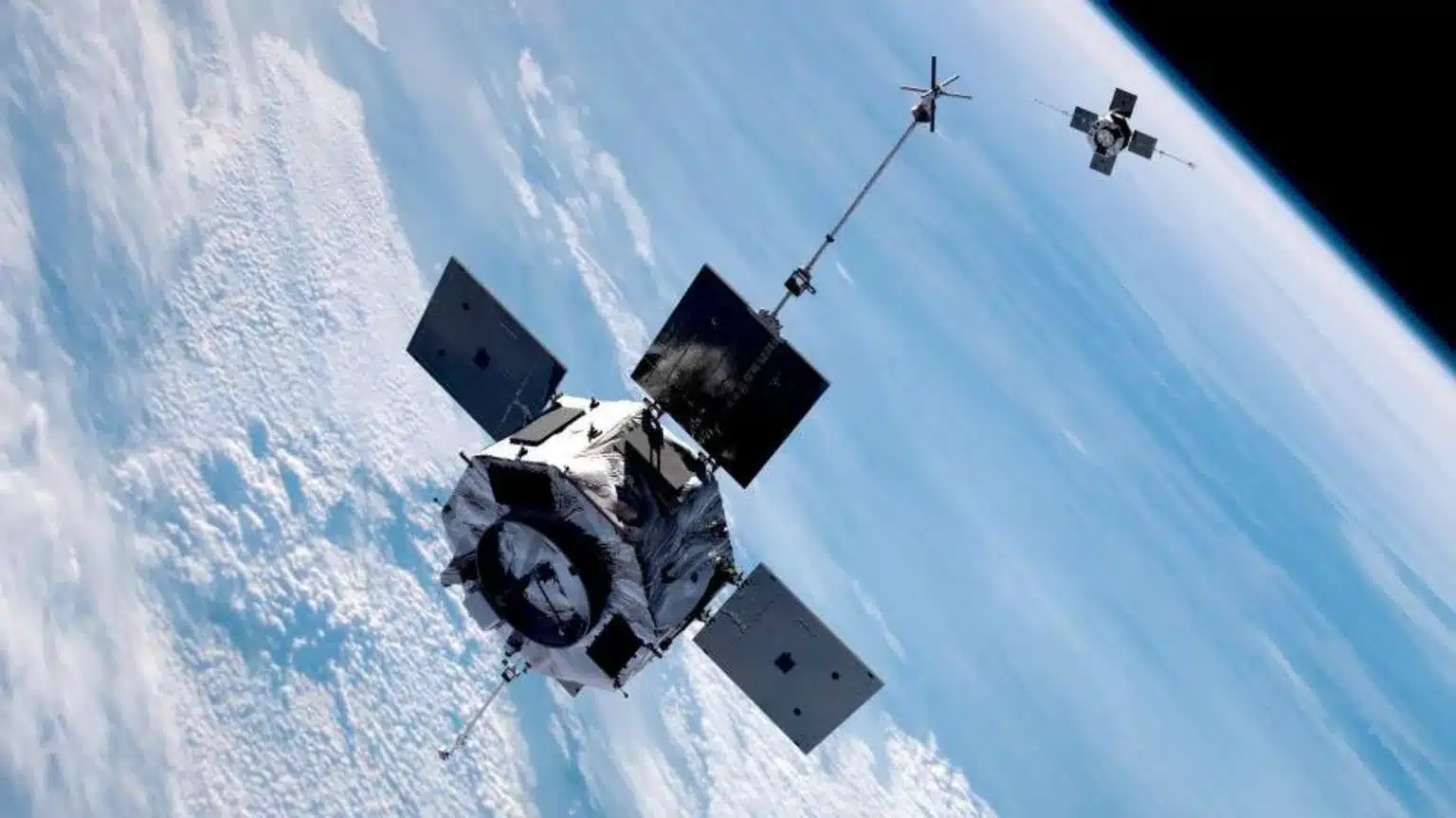
A 1,300-pound (600 kg) spacecraft from is expected to re-enter Earth’s atmosphere nearly 14 years after its launch.
The spacecraft, , was launched in 2012 to study the radiation belts surrounding Earth. According to predictions from the , the satellite is expected to re-enter the atmosphere around 19:45 EST (00:45 GMT) on Tuesday, although there is a 24-hour uncertainty window.
Most of the Spacecraft Expected to Burn Up
Scientists say the spacecraft will mostly burn up during atmospheric re-entry, though some small components could survive the descent.
NASA estimates that the risk to the public is extremely low, with only a 1 in 4,200 chance of anyone being harmed by falling debris.
Mission to Study Earth’s Radiation Belts
The probe and its twin satellite, , were launched together to study the .
These belts act as a protective shield for Earth, blocking harmful cosmic radiation, solar storms, and solar wind that could damage satellites, technology, and even affect astronauts.
Although the mission was originally designed to last two years, it successfully operated for almost seven years, collecting valuable scientific data from 2012 to 2019.
Major Scientific Discovery
During the mission, researchers made several important discoveries, including the first confirmation of a temporary third radiation belt that forms during periods of intense solar activity.
NASA says the twin satellite Van Allen Probe B is still in orbit and is not expected to re-enter Earth’s atmosphere until after 2030.