Sri Lanka
 USA
USA Canada
 India
India UK
UK UAE
UAE




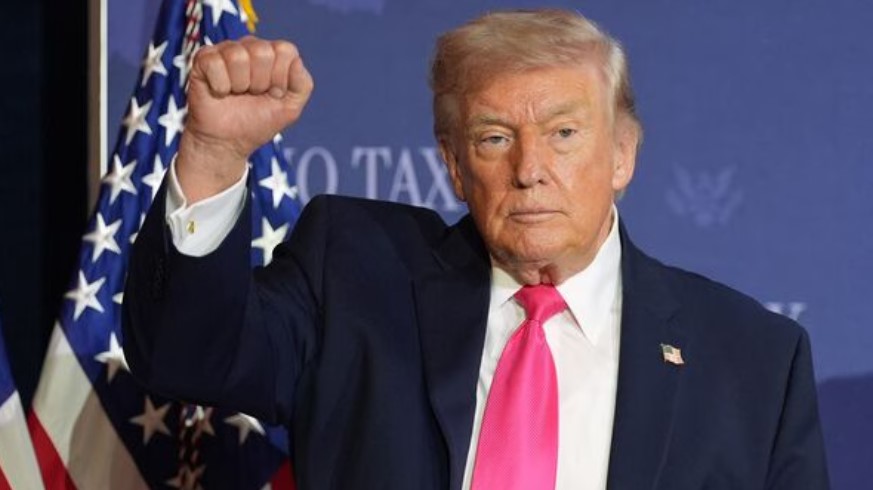
The United States has announced an indefinite extension of its ceasefire with Iran, just hours before the truce was due to expire, in a move aimed at keeping diplomatic negotiations alive.
US President Donald Trump confirmed on Tuesday (April 21) that the ceasefire would remain in place to allow more time for peace talks between the two sides. The ongoing conflict, now in its seventh week, has resulted in thousands of deaths and sent shockwaves through the global economy.
Pakistan’s mediation role
The extension follows a request from Pakistan, which has been acting as a key mediator in the negotiations. Trump said the decision was made to give Iranian leaders and negotiators time to present a unified proposal for ending the conflict.
However, the US leader pointed to internal instability within Iran as a factor influencing the situation, suggesting that divisions within the government could complicate the peace process. His remarks referenced recent targeted killings of senior Iranian figures, including former Supreme Leader Ali Khamenei.
Blockade remains in place
Despite extending the ceasefire, Trump made it clear that the US would continue its naval blockade of Iranian ports and coastal areas. Tehran has strongly condemned the move, describing it as an act of war.
The announcement appeared to be made unilaterally, leaving uncertainty over whether Iran or Israel would agree to prolong the truce, which was initially established two weeks ago.
Peace talks face setbacks
The development comes amid signs of stalled diplomacy. Plans for US Vice President JD Vance to travel to Islamabad for a second round of negotiations have reportedly been postponed.
Meanwhile, Iran signaled reluctance to continue discussions. According to state-affiliated media, Iranian officials conveyed through intermediaries in Pakistan that further talks would be futile under current conditions, accusing the US of hindering progress toward a meaningful agreement.
Iranian response grows critical
Iranian political figures have expressed skepticism over Washington’s intentions. An advisor to Parliament Speaker Mohammad Baqer Qalibaf described the ceasefire extension as a strategic delay tactic, warning it could be used to prepare for future military action.
The advisor also criticized the ongoing US naval blockade, equating it to direct aggression and suggesting it could provoke a military response.
Pakistan calls for continued diplomacy
In response, Pakistani Prime Minister Shehbaz Sharif welcomed the extension, thanking Trump for agreeing to prolong the ceasefire.
Sharif expressed hope that both sides would honor the truce and work toward a comprehensive peace agreement during a proposed second round of talks in Islamabad. However, no official timeline has been confirmed for the next phase of negotiations.