Sri Lanka
 USA
USA Canada
 India
India UK
UK UAE
UAE




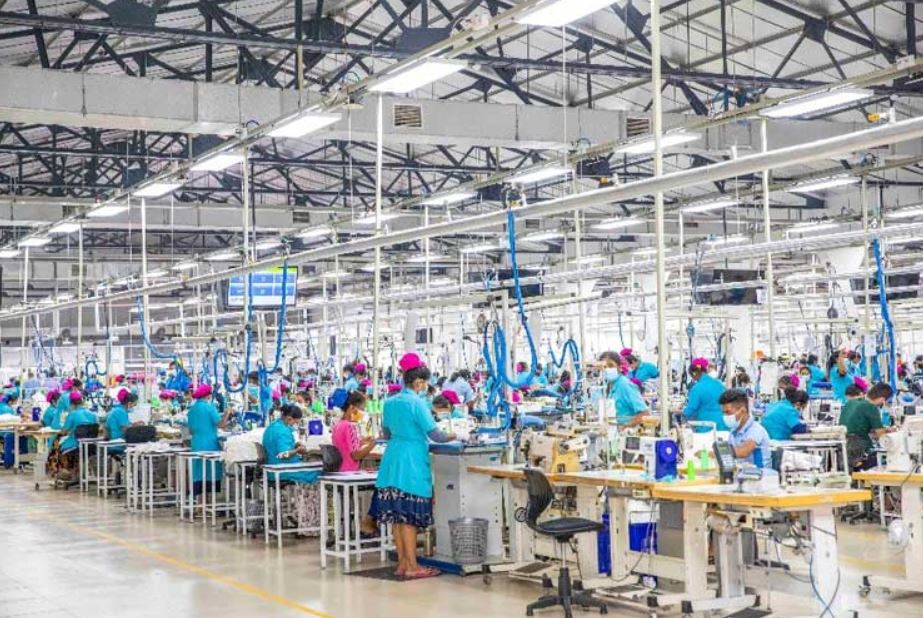
Sri Lanka’s apparel industry is set to benefit from the United Kingdom’s updated Developing Countries Trading Scheme (DCTS), which came into effect in January 2026. The revised framework offers new opportunities for exporters, particularly small and medium-sized enterprises (SMEs), to strengthen their presence in a key international market.
A major advantage of the updated scheme is its practical approach. By relaxing rules of origin and allowing greater flexibility in sourcing raw materials, the DCTS removes a long-standing barrier that has often limited smaller exporters. This change enables Sri Lankan manufacturers to operate more efficiently, offering better pricing, faster turnaround times, and improved responsiveness to buyer demands.
For SMEs, this shift is especially significant. While production capability has not been a major constraint, challenges around sourcing competitively, managing costs, and meeting strict delivery timelines have often hindered growth. The increased flexibility now allows smaller players to compete more effectively on a global scale.
From a broader industry perspective, the DCTS serves as a catalyst for enhancing competitiveness. It provides Sri Lankan exporters with an opportunity to strengthen their positioning in the UK market, particularly in niche segments that prioritize adaptability, specialized production, and shorter lead times—areas where SMEs have a natural advantage.
Industry expert Joe Jayawardena highlighted the value of the scheme, noting that while duty concessions are important, the real benefit lies in the added commercial flexibility. With fewer restrictions on sourcing, exporters can better negotiate on pricing, delivery timelines, and fabric choices—factors that are critical in securing and maintaining international business.
The revised framework also encourages deeper engagement with buyers. Improved market access and operational freedom allow Sri Lankan exporters to build stronger direct relationships and explore new growth opportunities.
Overall, the DCTS provides a timely boost for the sector, supporting export growth, enhancing competitiveness, and contributing to the development of a more resilient and diversified apparel industry in Sri Lanka.