Sri Lanka
 USA
USA Canada
 India
India UK
UK UAE
UAE




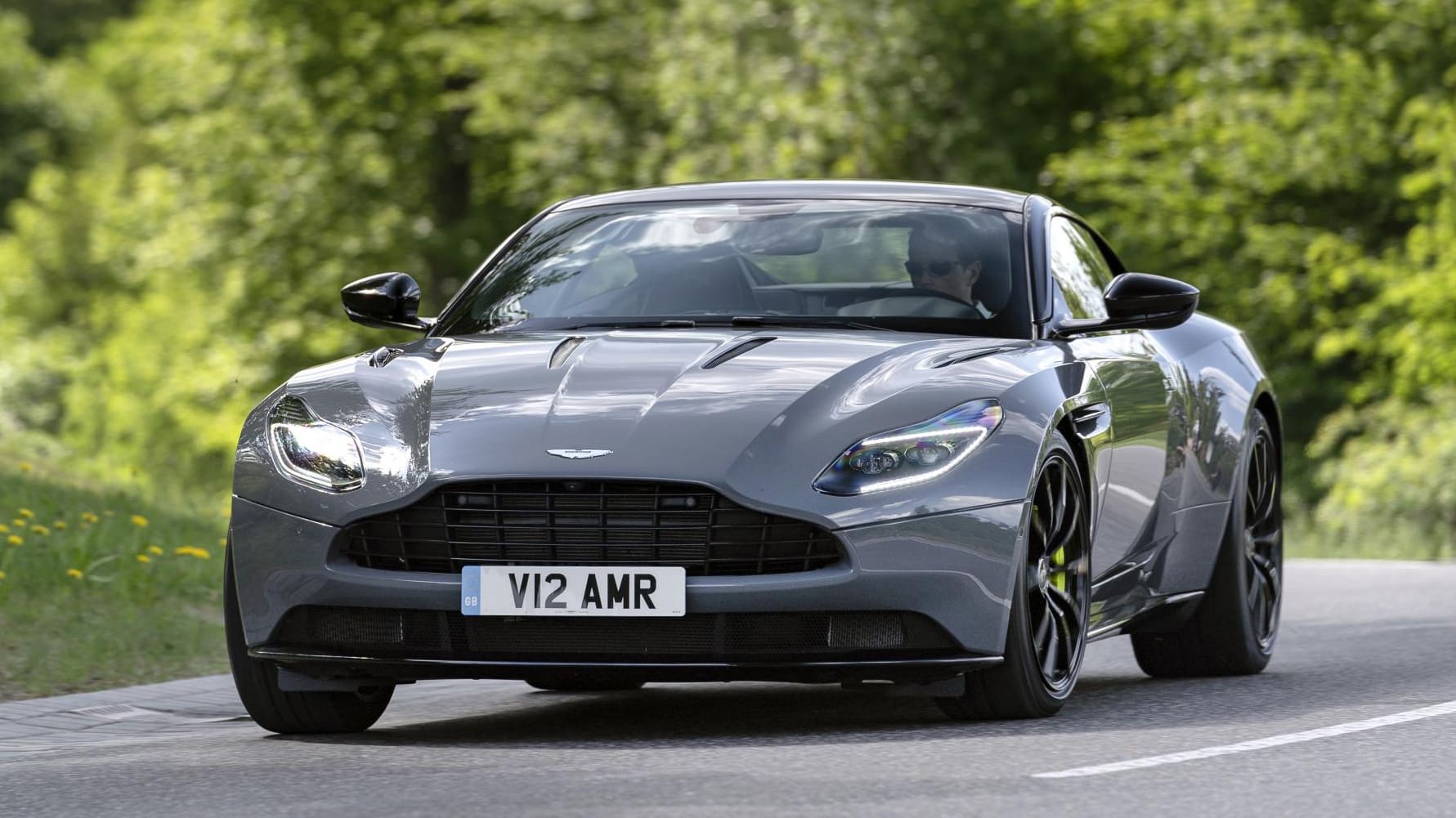
Aston Martin Lagonda has announced plans to reduce its workforce by up to 20%, as the company moves to contain losses amid rising costs, weak demand in key markets, and the impact of US import tariffs. The restructuring is expected to affect around 600 jobs from a total workforce of roughly 3,000 and generate annual savings of about £40 million ($54 million).
The latest cuts include a previously announced 5% reduction and form part of a broader cost-control strategy. While the company has not provided a firm timeline, it said most of the financial benefits are expected to be realised during 2025.
Formula One branding deal boosts cash position
In a separate move to strengthen liquidity, Aston Martin confirmed a £50 million ($67.3 million) agreement to sell the perpetual naming rights of its Aston Martin Formula One Team to AMR GP Holdings, the entity that runs the racing operation.
Because the deal involves chairman Lawrence Stroll, who indirectly controls AMR GP, it requires shareholder approval. Investors representing about 54% of the company, including Yew Tree Consortium, Geely, and Mercedes-Benz, have already committed to supporting the transaction.
The carmaker has raised capital multiple times over the past year, including a $162 million investment from Stroll and the partial sale of its stake in the Formula One team earlier this year.
Losses deepen under tariff pressure
Aston Martin reported that its net loss widened 52% last year to £493.2 million ($667 million), while operating losses climbed to £259.2 million. The company continues to carry significant debt of £1.38 billion, placing sustained pressure on cash flow.
Chief executive Adrian Hallmark said the global luxury car sector is facing severe disruption from geopolitical tensions and economic uncertainty, particularly due to higher tariffs in the United States and slowing demand in China.
Automakers have been among the hardest hit by tariffs introduced under Donald Trump, which aim to boost domestic manufacturing in the US.
Trade uncertainty weighs on outlook
Aston Martin temporarily restricted vehicle shipments to the US in April and May while awaiting clarity on trade terms between London and Washington. Exports resumed in June after tariffs on UK-built cars were reduced to 10% from 27.5%, subject to an annual quota of 100,000 vehicles.
Demand in China remains “extremely subdued,” the company said, reflecting broader weakness in the ultra-luxury segment. It warned that uncertainty over future US tariffs, potential changes to China’s luxury vehicle tax policies, and reliance on global supply chains continue to cloud its outlook.
Spending cuts and recovery hopes
To preserve cash, Aston Martin has trimmed its five-year capital spending plan to £1.7 billion, down from £2 billion, after delaying parts of its electric vehicle programme.
While further cash outflows are expected in 2026, the company forecasts a material improvement in performance, supported by cost reductions and planned deliveries of around 500 units of its Valhalla hybrid supercar.
Investors reacted positively to the announcements, with Aston Martin shares rising nearly 5% in early London trading, snapping a nine-session losing streak.