Sri Lanka
 USA
USA Canada
 India
India UK
UK UAE
UAE




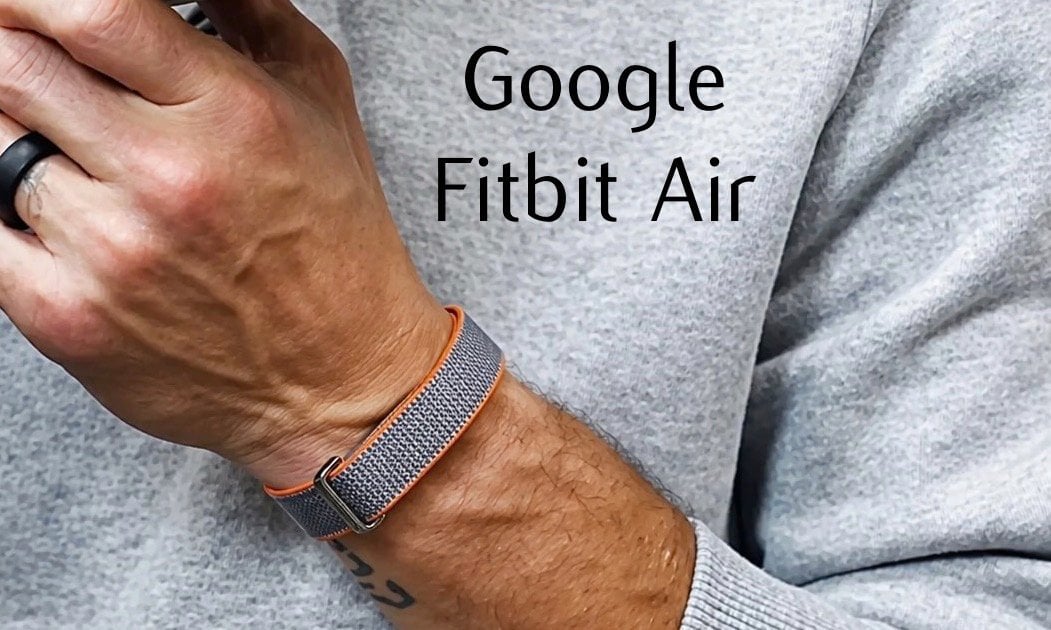
Google is redefining the future of wearable devices by stepping away from feature-packed screens and moving toward a more subtle, distraction-free approach to health tracking.
The tech giant has introduced the Fitbit Air, a lightweight band designed to operate without a display. Instead of relying on notifications, apps, or constant user interaction, the device focuses on continuous background monitoring — aligning with a growing trend led by brands like Whoop and Oura Health.
Priced at $99, the Fitbit Air offers round-the-clock heart rate tracking, blood oxygen monitoring, atrial fibrillation alerts, sleep analysis, heart rate variability insights, and a battery life of up to seven days. Its minimal design may seem basic at first glance, but it reflects a deeper transformation in wearable technology.
A Move Toward Passive Health Monitoring
Modern wearables are increasingly shifting away from acting like miniature smartphones. Instead, they are evolving into always-on sensors that quietly collect data throughout the day. With devices like Fitbit Air, users no longer need to constantly check a screen; all data is synced to a mobile app, where advanced systems analyze patterns related to sleep, stress, recovery, and overall wellness.
This passive approach has gained popularity among athletes and health-focused users who prefer meaningful insights without the distraction of frequent alerts. Subscription-driven platforms have already embraced this model, offering deeper analytics and long-term health tracking.

Expanding Into an AI-Driven Health Ecosystem
Google’s vision extends beyond just a single wearable. Reports suggest the company is integrating Fitbit more deeply into a broader health platform, where AI-powered tools — potentially driven by Gemini — will provide tailored recommendations based on accumulated biometric data.
In this context, Fitbit Air acts as more than a fitness tracker. It becomes a key entry point into a larger ecosystem where artificial intelligence interprets health data and delivers personalised guidance over time.
A New Direction for Fitbit
Since acquiring Fitbit in 2021, Google has gradually repositioned the brand. While smartwatch development has shifted toward devices like the Pixel Watch, Fitbit is now being refocused on simplified, health-centric products.
The introduction of Fitbit Air reinforces this strategy, giving the brand a clearer identity centered on minimalism and continuous health tracking.
Availability

The device is expected to launch in key Western markets starting mid-May. Availability in regions such as the UAE is anticipated later in the year, although official confirmation from Google is still pending.