Sri Lanka
 USA
USA Canada
 India
India UK
UK UAE
UAE




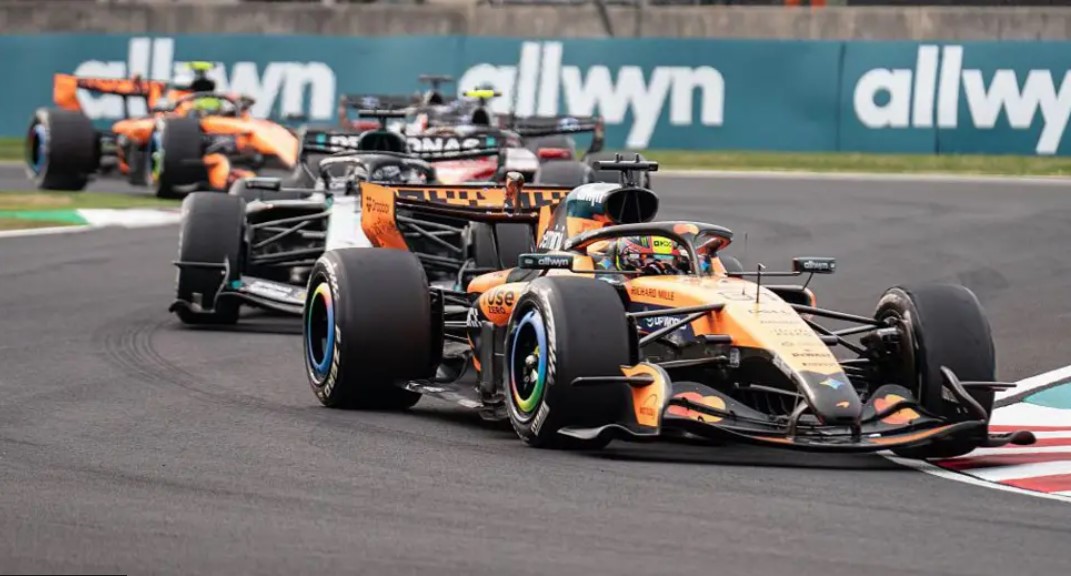
Formula 1 has approved a series of regulatory changes to address concerns over this season’s new power-unit rules, with updates set to take effect from the upcoming Miami Grand Prix.
The revised engine regulations, which feature an almost equal split between internal combustion and electric power, have drawn criticism from drivers who say the complex energy management system is affecting natural racing performance. Some have also raised safety concerns linked to large performance differences between cars depending on battery deployment levels.
The latest adjustments aim to make qualifying more straightforward and reduce the need for “lift-and-coast” driving techniques, which require drivers to ease off the throttle to manage energy usage. Officials hope the changes will allow for more consistent full-speed laps and improve the overall competitiveness of sessions.
In racing conditions, the updates are designed to reduce sudden speed gaps between cars when different energy modes are used. This follows concerns that large power swings could create unpredictable closing speeds and increase risk during overtaking and defensive driving.
The governing body, the FIA, said the modifications are intended to maintain high performance while improving safety and race clarity. Teams and drivers were consulted before the changes were approved.
Some high-profile drivers have previously expressed dissatisfaction with the new power-unit concept, arguing that it places too much emphasis on energy management rather than pure driving skill.
Additional updates also address wet-weather performance, with adjustments aimed at improving tyre grip and visibility in difficult conditions. These include refinements to tyre preparation and lighting systems to help drivers react more effectively in reduced visibility.
Mercedes team principal Toto Wolff welcomed the changes, describing them as precise adjustments rather than major overhauls, aimed at refining racing without disrupting the overall technical direction of the sport.
The rule changes are now expected to be formally ratified before being implemented at the Miami round, marking one of the first significant mid-season adjustments to the new engine era in Formula 1.