Sri Lanka
 USA
USA Canada
 India
India UK
UK UAE
UAE




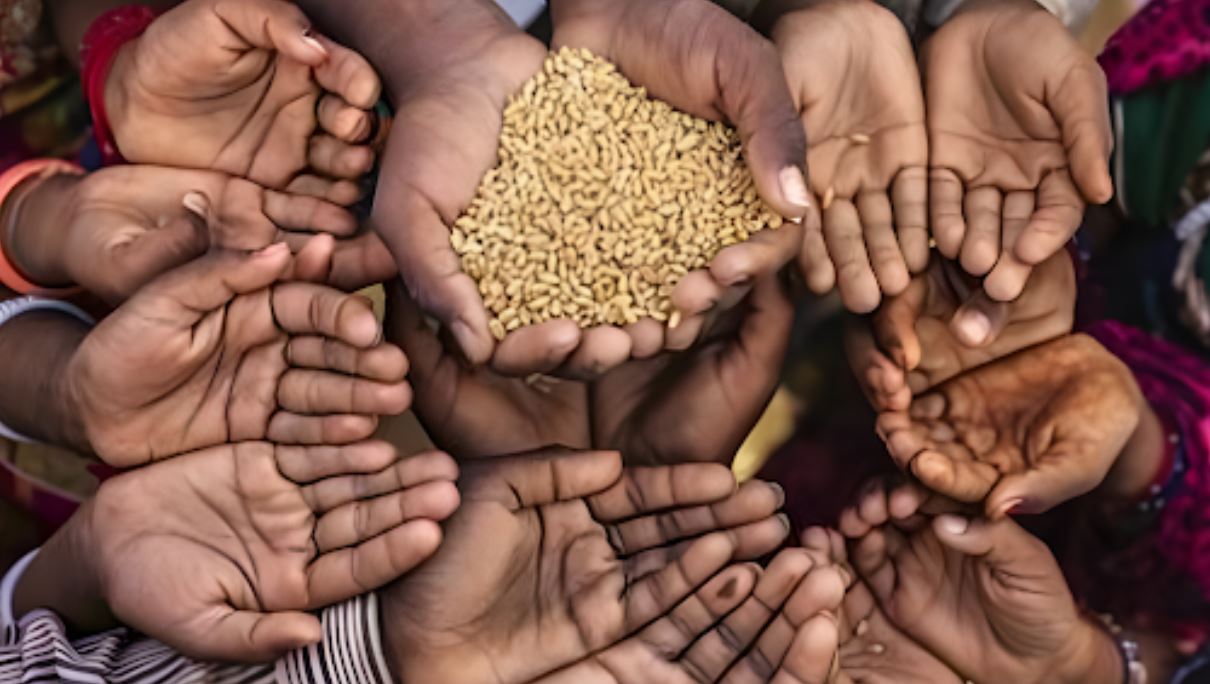
The ongoing conflict in the Middle East could push millions more people into hunger as its economic impact spreads across the world, the World Bank’s chief economist has warned.
Speaking to AFP on the sidelines of the International Monetary Fund–World Bank Spring Meetings in Washington, Indermit Gill said around 300 million people are already experiencing acute food insecurity globally, and that figure could rise by roughly 20% in the near term if conditions deteriorate further.
Gill highlighted that disruptions to key trade routes, particularly the Strait of Hormuz, have triggered a sharp rise in fertiliser prices due to their dependence on oil-based inputs. This, in turn, is increasing costs across global agriculture supply chains.
He warned that higher fertiliser and food prices could encourage some countries to impose export restrictions or hoard supplies, further tightening global availability and driving prices even higher.
“Those export bans scare us massively,” Gill told AFP, noting that the most severe impact would fall on countries already affected by conflict or weak governance systems.
He added that while Asia is currently feeling the strongest pressure from petrochemical shortages, the impact is expected to spread quickly to Africa if the crisis continues.
Gill also stressed that the food currently in global markets reflects earlier production cycles, meaning the full effects of the disruption will only become visible in the coming months.
Inflation, growth slowdown and debt risks
The World Bank economist warned that low-income households will be hit hardest, as they spend a larger share of their income on essentials such as food and fuel.
He cautioned that rising inflation in basic goods could significantly deepen financial pressure on poorer populations, particularly if global inflation climbs further.
Gill also outlined a worst-case scenario in which global inflation could rise from about 3% to as high as 4.7%, while global economic growth could fall by as much as 40% if the conflict persists for an extended period.
Such a combination of weaker growth and higher inflation would create serious challenges for debt sustainability in developing countries, limiting their ability to respond to future shocks.
He further noted that global growth projections may appear overly optimistic because large economies such as the United States, China, and India tend to mask vulnerabilities in smaller, more fragile nations.
“When you remove them from the estimates, you start to see a lot more vulnerabilities,” Gill said, adding that worsening conditions are making extreme downside scenarios increasingly plausible.