Sri Lanka
 USA
USA Canada
 India
India UK
UK UAE
UAE




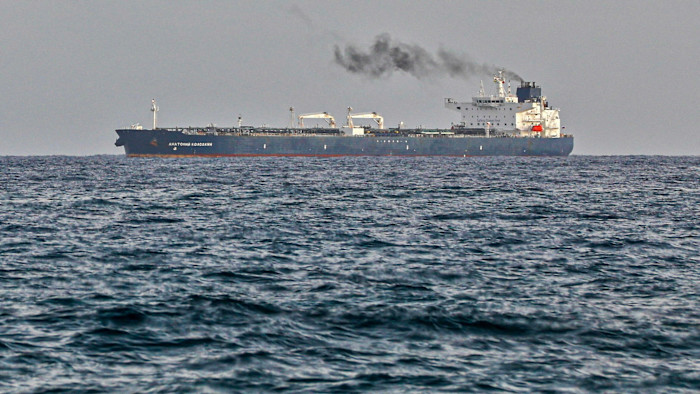
British Prime Minister Keir Starmer on Wednesday (May 20) defended a controversial decision to relax certain restrictions on Russian fuel imports, arguing the move is necessary as the ongoing Middle East conflict drives global energy prices higher.
The policy shift has drawn sharp criticism from opposition parties after the UK approved a trade licence permitting the import of fuels refined in third countries—such as India—even if the crude oil originated in Russia.
During a call with Ukrainian President Volodymyr Zelenskyy later that day, Starmer reassured Kyiv that Britain remains committed to weakening Moscow’s economy. According to Downing Street, he emphasized that UK actions have already reduced Russia’s oil revenues and will continue to do so.
Officials confirmed that the licence has no fixed end date but will be reviewed regularly. In addition, the government has introduced a temporary exemption easing restrictions on liquefied natural gas linked to specific Russian facilities.
The UK had previously pledged to block imports derived from Russian crude starting in October, part of broader efforts to cut off funding for Russia’s war in Ukraine. However, Starmer clarified that the latest measures involve “targeted, short-term licences” aimed at gradually implementing sanctions while shielding British consumers from surging costs.
He stressed that the UK is not abandoning its sanctions regime and will continue coordinating with allies on further measures. Starmer also told Zelenskyy that Britain is intensifying efforts to pressure Russia’s economy, including rolling out new sanctions packages.
Downing Street said these steps form part of an ongoing strategy to weaken the military capabilities of Russian President Vladimir Putin.
Despite these assurances, Conservative leader Kemi Badenoch condemned the move, accusing the government of indirectly funding Russia’s war effort by allowing fuel linked to Russian crude into the UK market.
Since Russia’s 2022 invasion of Ukraine, Britain has enforced sweeping sanctions targeting energy exports and more than 3,000 individuals and entities connected to Moscow.
The latest decision follows a US move to extend a waiver allowing certain Russian oil shipments already in transit to proceed, as tensions involving Iran tighten global supply and push prices upward.
Temporary Adjustment Amid Global Supply Strain
At a meeting of G7 finance ministers, the European Union voiced concern over easing pressure on Russia. EU economics chief Valdis Dombrovskis warned that now is not the time to soften sanctions.
However, UK Treasury minister Dan Tomlinson defended the policy as a necessary step to safeguard national interests, citing the economic fallout from disruptions linked to the Iran conflict.
Trade minister Chris Bryant later acknowledged that the government had handled the announcement poorly, apologising to lawmakers and expressing a desire to keep the licences as short-lived as possible.
Energy markets remain volatile following tensions in the Middle East. After US-Israeli strikes earlier this year, Iran moved to restrict access through the Strait of Hormuz—a critical route for global oil and gas shipments—though traffic has gradually resumed under a ceasefire.
On Wednesday, Brent crude prices hovered near $110 per barrel, significantly higher than levels seen before the conflict, underscoring the pressure facing governments worldwide.