Sri Lanka
 USA
USA Canada
 India
India UK
UK UAE
UAE




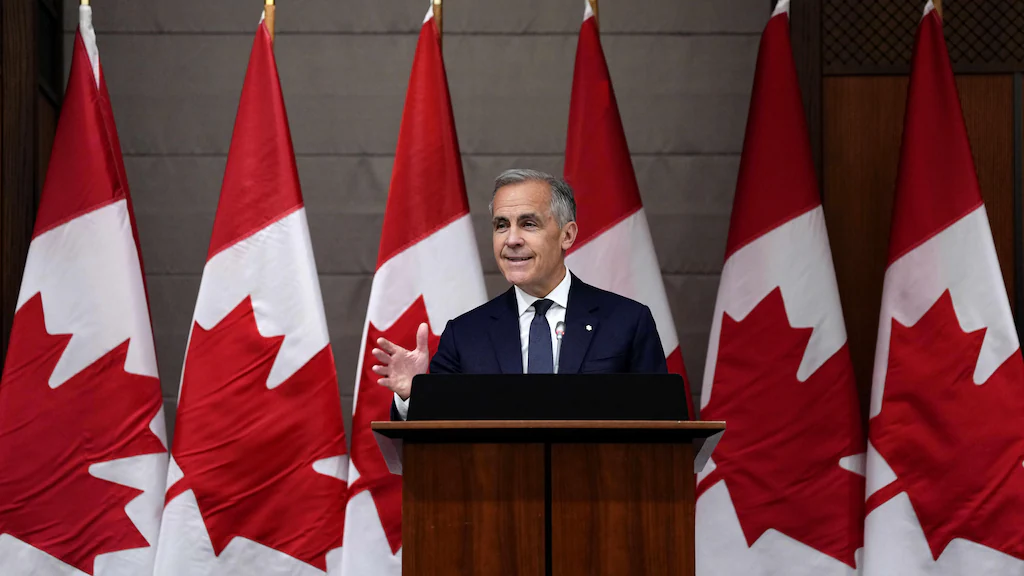
Emerging from his cabinet’s first planning forum, Prime Minister Mark Carney outlined his new government’s vision in a streamlined mandate letter given to ministers. This letter, spanning fewer than 800 words, sets forth seven core priorities for the next four years—shifting away from the exhaustive, itemized lists seen in previous administrations.
Carney’s priorities include:
Renegotiating Canada’s relationship with the U.S. and expanding ties with other countries.
Removing interprovincial trade barriers and accelerating major infrastructure projects.
Addressing the cost of living for Canadians.
Improving housing affordability and modernising the housing industry.
Strengthening Canada’s military and domestic security.
Refocusing immigration policies.
Reducing government operating costs.
Unlike his predecessor Justin Trudeau’s approach—which outlined over 400 commitments across ministers—Carney’s model calls for ministers to contribute their own ideas and define measurable success for each priority.
Carney’s plan echoes Stephen Harper’s past focus on core priorities but with a broader scope and urgency. He has set the ambition of building the strongest economy in the G7, a goal that many consider challenging within a standard four-year term.
With the emphasis on results over checklists, Carney’s strategy could reshape expectations for Canadian governance and potentially deliver meaningful progress in housing, infrastructure, and economic reform.