Sri Lanka
 USA
USA Canada
 India
India UK
UK UAE
UAE




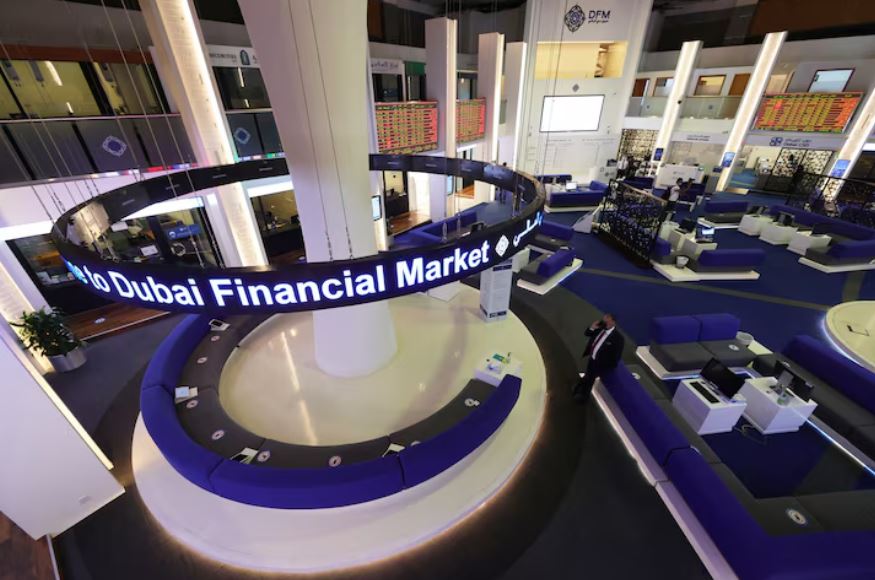
Stock markets in the United Arab Emirates have seen a sharp decline in value, with nearly $120 billion erased from the Dubai Financial Market and Abu Dhabi Securities Exchange since the outbreak of the conflict involving the United States, Israel, and Iran.
Data from multiple reports show that both benchmark indices have dropped significantly since late February. The Dubai index has fallen by roughly 16%, while Abu Dhabi’s market has declined by about 9%, placing UAE exchanges among the most affected globally during this period of instability.
The losses reflect a broader decline in market capitalisation across the two exchanges over the past month. Dubai has been particularly impacted due to its strong links to sectors such as tourism, real estate, and international investment flows—areas that tend to react quickly to geopolitical uncertainty.
Investor sentiment has been shaken by escalating tensions in the Middle East, with concerns over regional security, trade disruptions, and rising energy prices contributing to the sell-off. Increased risks tied to the conflict have also added pressure, further dampening confidence in the markets.
Across the wider Gulf region, stock markets have experienced notable volatility. While some markets have shown resilience, others particularly Dubai have recorded steeper declines, highlighting varying levels of exposure to global and regional risks.
The ripple effects have extended beyond the region, with global financial markets also reacting to the crisis. Oil prices have surged, while equities in several countries have come under pressure as investors prepare for the possibility of prolonged geopolitical instability.
Analysts caution that the situation remains uncertain, warning that further escalation could lead to additional losses and continued volatility in UAE and regional markets in the weeks ahead.