Sri Lanka
 USA
USA Canada
 India
India UK
UK UAE
UAE




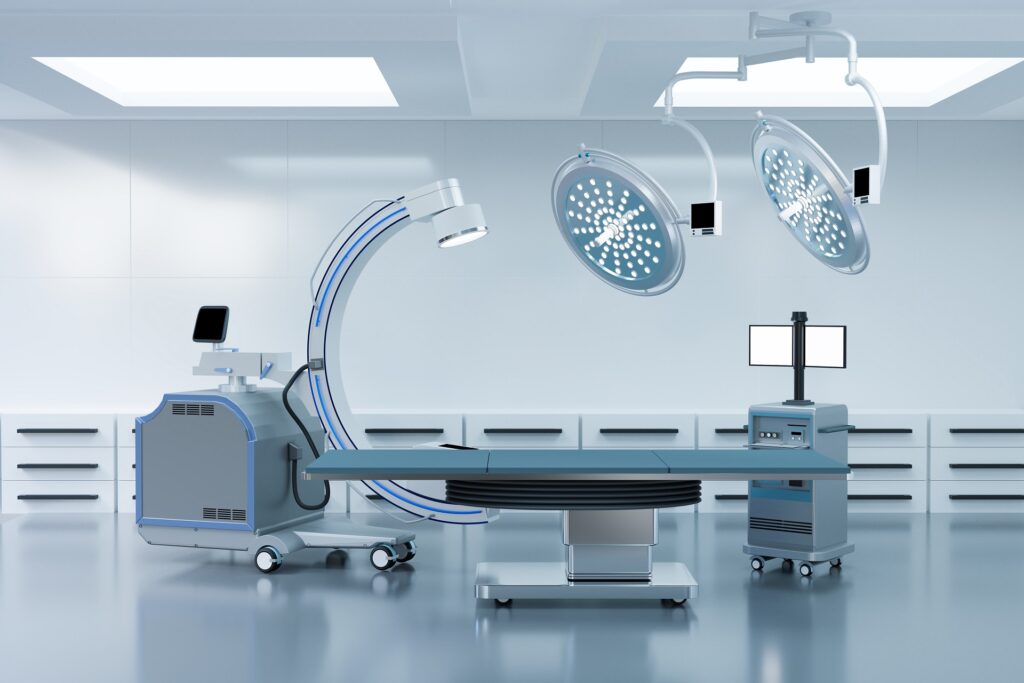
Sri Lanka is set to significantly strengthen its cardiac care services with the installation of 16 advanced cardiac catheterization laboratories (Cath labs) across key state hospitals this year.
The initiative is being implemented under the direction of Health Minister Nalinda Jayatissa, as part of a broader effort to enhance treatment capacity for heart-related conditions nationwide.
According to the Ministry of Health, the new Cath labs will be established at major institutions including National Hospital of Colombo, Kandy National Hospital, and Galle National Hospital, along with several teaching and district hospitals in regions such as Batticaloa, Ratnapura, Badulla, Jaffna, Kalubowila, Anuradhapura, Kurunegala, and Trincomalee.
Funding for the project will come from multiple sources. The government has allocated Rs. 715 million to procure four Cath lab units for hospitals in Batticaloa, Ratnapura, Badulla, and Galle.
Meanwhile, the Asian Development Bank is supporting the Health System Improvement Project with Rs. 1,188 million. This funding will cover three units for Colombo and additional installations in Kandy, Jaffna, and Kalubowila.
Further financial backing comes from the Japan International Cooperation Agency (JICA), which is contributing Rs. 1,200 million for six Cath labs, including two for Anuradhapura and others for Kurunegala, Badulla, Kandy, and Trincomalee.
In total, the investment in the project amounts to Rs. 3,103 million. Once completed, the number of Cath labs in government hospitals will increase to 26.
Currently, these specialized facilities are available in a limited number of hospitals, including those in Colombo, Kandy, Galle, Jaffna, Kurunegala, Ragama, Kalutara, Anuradhapura, and major pediatric centers such as Lady Ridgeway Children’s Hospital and Sirimavo Bandaranaike Children’s Hospital.
Health officials say the expansion is expected to significantly improve access to life-saving cardiac procedures. The additional Cath labs will help reduce waiting times, enable round-the-clock emergency care for heart attack patients, and expand diagnostic and treatment capabilities across the country.
The move is also projected to lower death rates and complications related to heart disease, marking a major step forward in Sri Lanka’s public healthcare system.