Sri Lanka
 USA
USA Canada
 India
India UK
UK UAE
UAE




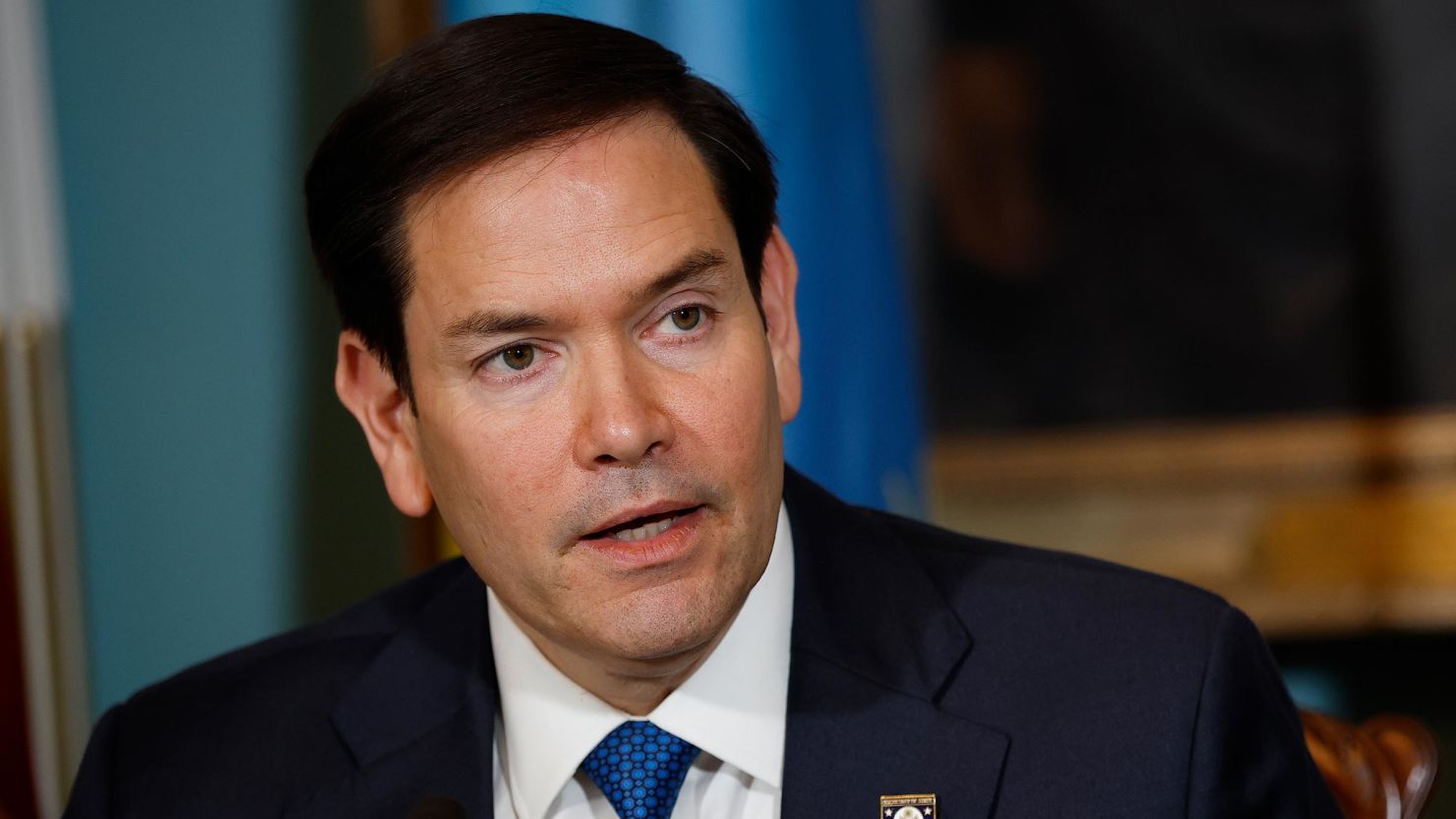
U.S. Secretary of State Marco Rubio signaled on Capitol Hill that the American military plans to escalate operations against Iran, following two days of strikes the Trump administration says eliminated key Iranian leadership and targeted its ballistic missile program.
“I won’t reveal tactical details, but the toughest strikes are still ahead,” Rubio told reporters. “The next phase will be even more punishing for Iran than what we’ve seen so far.”
Rubio briefed Congress on President Donald Trump’s joint campaign with Israel against Iran, outlining the objectives of the U.S. action. He said the focus is on dismantling Iran’s ballistic missile program, which he described as a shield for the country’s nuclear ambitions, as well as targeting its naval fleet and attack drones.
He defended Trump’s claim that Iran poses an “imminent threat” to the U.S., emphasizing that the president did not require congressional approval for the military campaign—a point disputed by Democrats.
Senator Jeanne Shaheen, the top Democrat on the Foreign Relations Committee, said the briefing provided the administration’s justification but lacked substantial evidence supporting the threat. Other Democratic lawmakers, including Senator Mark Warner, raised questions about the mission’s objectives, exit strategy, and responsibilities toward Iranian civilians.
Rubio emphasized that the administration complied fully with legal requirements and personally contacted congressional leaders before the operation.
While Iran has long denied intentions to develop a nuclear weapon, its ballistic missiles can strike U.S. forces and allies in the region, though not the U.S. mainland. Rubio stressed that regime change is not the current goal, even though the strikes eliminated Supreme Leader Ayatollah Ali Khamenei and other top officials.
“There are no ongoing diplomatic talks with Iran,” Rubio said. “Regardless of who governs, they will no longer possess these ballistic missiles or drones that threaten us.”
He did not rule out the potential deployment of ground troops but noted that the U.S. is not presently prepared for a ground invasion, and such an operation is unlikely in the near term.