Sri Lanka
 USA
USA Canada
 India
India UK
UK UAE
UAE




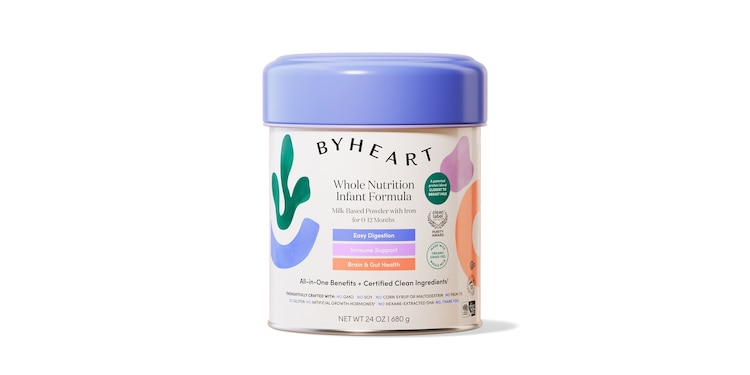
Federal health agencies have confirmed that 37 infants across 17 U.S. states have been hospitalized with suspected or confirmed infant botulism, prompting a nationwide response and a wide-scale formula recall from the brand ByHeart.
The Centers for Disease Control and Prevention (CDC) and the Food and Drug Administration (FDA) issued updated advisories stating that cases have increased from 31 to 37 since November 20, with illnesses reported between August 9 and November 19, 2025. No infant deaths have been reported so far.
Affected infants, ranging from 16 to 264 days old, were all fed from various lots of ByHeart Whole Nutrition powdered infant formula. Investigators are still working to determine the source of contamination, while some lab results remain pending.
???? Major Recall Launched Nationwide
ByHeart originally recalled two batches of formula on November 8, but later extended the recall to all cans and single-serve packs of its Whole Nutrition Infant Formula across the U.S.
Recent lab results revealed Clostridium botulinum Type A bacteria in multiple samples. The company has urged parents and caregivers to immediately stop using the product, dispose of it properly, and monitor infants for signs of illness.
ByHeart is offering full refunds for purchases made on or after August 1, 2025. Parents can visit the company website or contact their support number for refund assistance.
⚠ Understanding Infant Botulism
Botulism is rare, but extremely serious. The toxin can affect the nervous system, potentially leading to:
muscle weakness and paralysis
trouble swallowing or breathing
visual disturbances
poor feeding + weak cry in infants
Infant botulism occurs when babies ingest C. botulinum spores, which can then produce toxins in the intestinal tract. Spores can be found in certain foods such as honey — one reason the CDC, FDA, and pediatric experts advise never feeding honey to children under one year old.
???? What Parents Should Watch For
Seek immediate medical care if a child who consumed ByHeart formula shows:
poor feeding
constipation or weak reflexes
difficulty swallowing
drooping eyelids
reduced facial expression or muscle tone
Health officials emphasize that early treatment is crucial.
The FDA, CDC, and state health departments are continuing to investigate to determine where contamination occurred.