Sri Lanka
 USA
USA Canada
 India
India UK
UK UAE
UAE




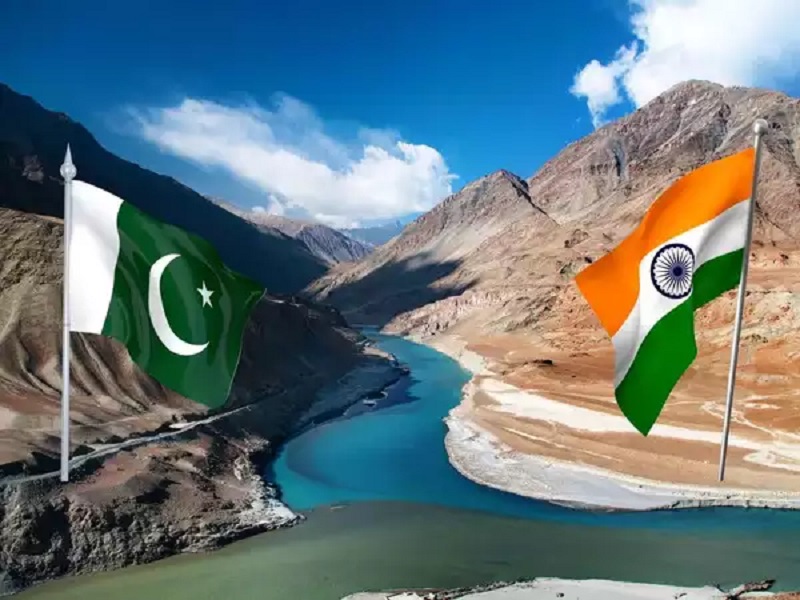
Amid rising tensions, Pakistan has formally appealed to India to reconsider its recent decision to suspend the Indus Waters Treaty (IWT)—a decades-old agreement signed in 1960 that governs the shared use of key rivers in the region.
In a letter addressed to India’s Jal Shakti ministry, Pakistan’s water resources secretary Syed Ali Murtaza called India’s action “unilateral, illegal, and an attack on the people and economy of Pakistan.” The letter is believed to have been delivered during Operation Sindoor, an ongoing diplomatic mission.
India’s decision, taken on April 23 by its Cabinet Committee on Security, was framed as a retaliatory move following the tragic killings of Indian tourists in Pahalgam. Prime Minister Modi reaffirmed this stance, declaring “blood and water cannot flow together.”
While Pakistan claims to be suffering from water flow irregularities—especially critical as sowing season approaches—India asserts that climate change, security threats, and Pakistan’s continued support for terrorism warrant a treaty review.
India also points to recent desilting operations on dams in Jammu and Kashmir, such as Baglihar and Salal, as routine but no longer subject to data-sharing requirements under the suspended treaty—adding to Pakistan’s water concerns.