Sri Lanka
 USA
USA Canada
 India
India UK
UK UAE
UAE




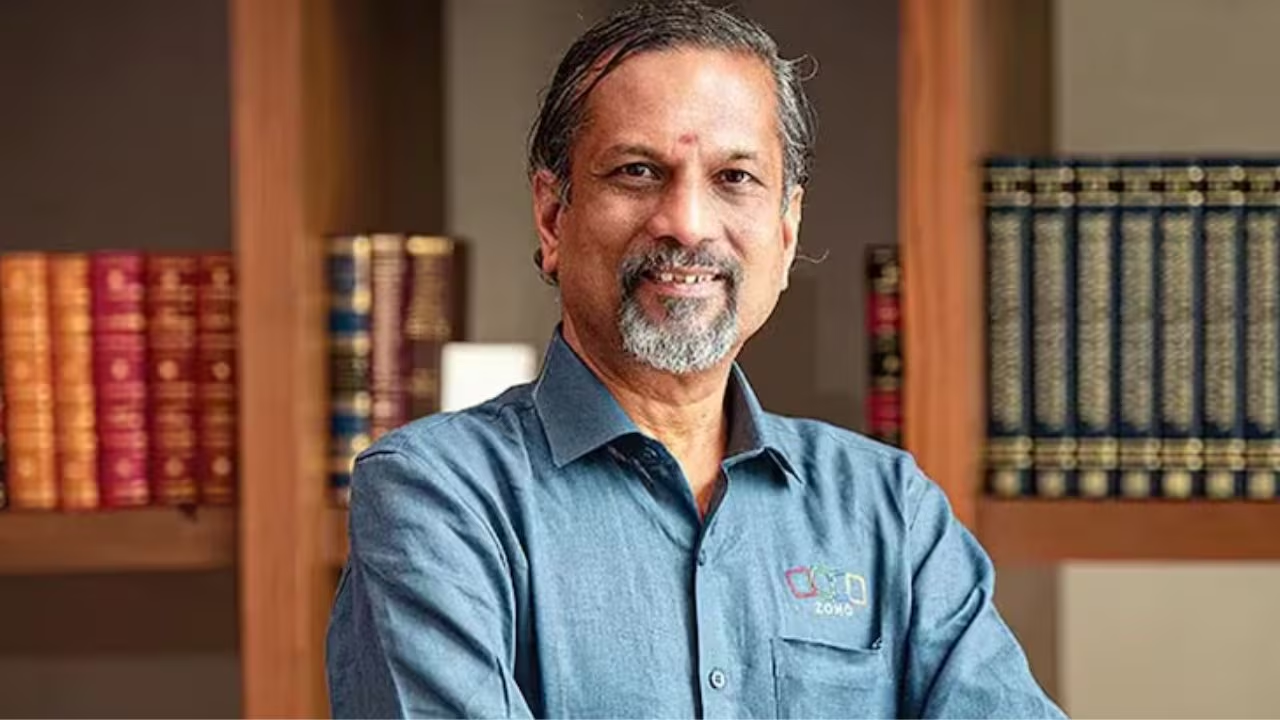
Amid growing concerns over India’s dependence on U.S. technology platforms, Zoho founder Sridhar Vembu has called for a decade-long national mission to strengthen the country’s technological independence and prepare for potential disruptions in access to major U.S. digital services like Google and ChatGPT.
The debate over India’s reliance on U.S. tech giants has resurfaced following Zoho founder Sridhar Vembu’s call for a “National Mission for Tech Resilience.” Vembu warned that India’s growing dependence on foreign technology—from applications and operating systems to chip manufacturing—poses a significant risk to the nation’s digital sovereignty.
Responding to a post on X by industrialist Harsh Goenka, Vembu supported concerns about India’s vulnerability if access to platforms such as Google, Instagram, X (formerly Twitter), Facebook, or ChatGPT were suddenly cut off. “We need a 10-year National Mission for Tech Resilience. It can be done,” Vembu emphasized, echoing the fear that a ban—possibly under a policy shift by leaders like Donald Trump—could severely impact India’s digital ecosystem.
Goenka’s post prompted widespread discussion online, as he urged Indians to imagine the consequences of losing access to these platforms. “Frightening, no? Just think about the consequences seriously and what could be Plan B for us,” he wrote.
Industry experts have warned that such a scenario could have devastating economic effects. A senior tech analyst with over 15 years of experience in U.S.-India digital trade told The Economic Times that India could face “catastrophic economic fallout.” According to NASSCOM projections for 2025, a sudden cutoff could disrupt more than 500 million users, decimate up to 60% of digital ad revenue, and cripple India’s $200 billion digital economy.
To mitigate these risks, the analyst suggested accelerating development of indigenous alternatives such as Zoho and Nextcloud for cloud services, Arattai for messaging, and open-source AI models like Bhashini. “We built UPI in five years; achieving tech sovereignty in 18 months is feasible,” the analyst noted.
Vembu’s call comes at a time when global tensions and conversations around digital sovereignty are intensifying, pushing policymakers and innovators in India to rethink the country’s technological future and its dependence on international platforms.