Sri Lanka
 USA
USA Canada
 India
India UK
UK UAE
UAE




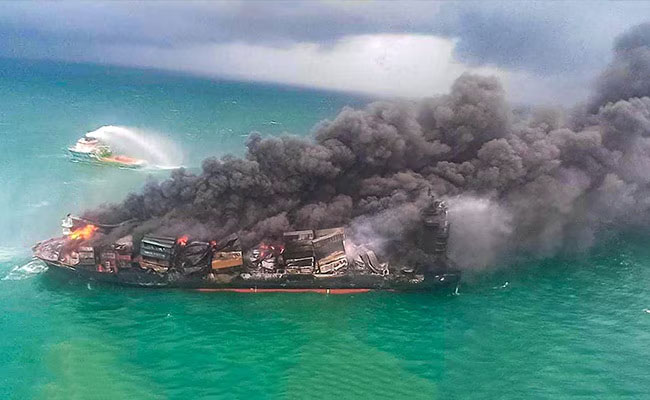
Singapore-headquartered X-Press Feeders has rejected a Sri Lankan Supreme Court order to pay US$1 billion in damages over the MV X-Press Pearl disaster, which caused the island’s worst-ever marine pollution in 2021.
The container ship, carrying hazardous cargo including nitric acid, lead ingots, and plastic pellets, sank off Colombo after a fire burned for nearly two weeks. The spill polluted an 80km stretch of coastline, devastated fisheries, and triggered a prolonged ban on fishing.
CEO Shmuel Yoskovitz told AFP the company would not comply, warning that the judgment “undermines the principle of limitation of liability” in maritime law and could “set a dangerous precedent” for global shipping. He argued that unlimited penalties would inflate insurance premiums, ultimately burdening consumers.
Sri Lanka’s top court had directed X-Press Feeders to pay an initial US$1 billion within a year, including a US$250 million first installment due Sept. 23, and left room for additional payments. Yoskovitz rejected this “open-ended” obligation, saying:
“We are not paying because the whole base of maritime trade is based on limitation of liability… To live under this hanging guillotine is simply impossible.”
The company maintains it has already spent US$170 million on wreck removal, cleanup, and compensation for fishermen, and is willing to pay further under international marine conventions — but only if the settlement is “full and final.”
Environmentalists stress that the true ecological impact is long-term. “If you visit the coastlines today, there is nothing visible in terms of plastic pollution, but the effects will be felt for years,” said Hemantha Withanage of the Centre for Environmental Justice.
The case remains entangled in multiple jurisdictions. While Sri Lanka pushes for enforcement, London’s Admiralty Court has capped the firm’s liability at £19 million (S$32.9 million), and a parallel lawsuit in Singapore has been stayed pending London’s outcome, with a pre-trial hearing slated for May 2026.
The Sri Lankan Supreme Court will next review the case on September 25, with criminal proceedings threatened for non-compliance.