Sri Lanka
 USA
USA Canada
 India
India UK
UK UAE
UAE




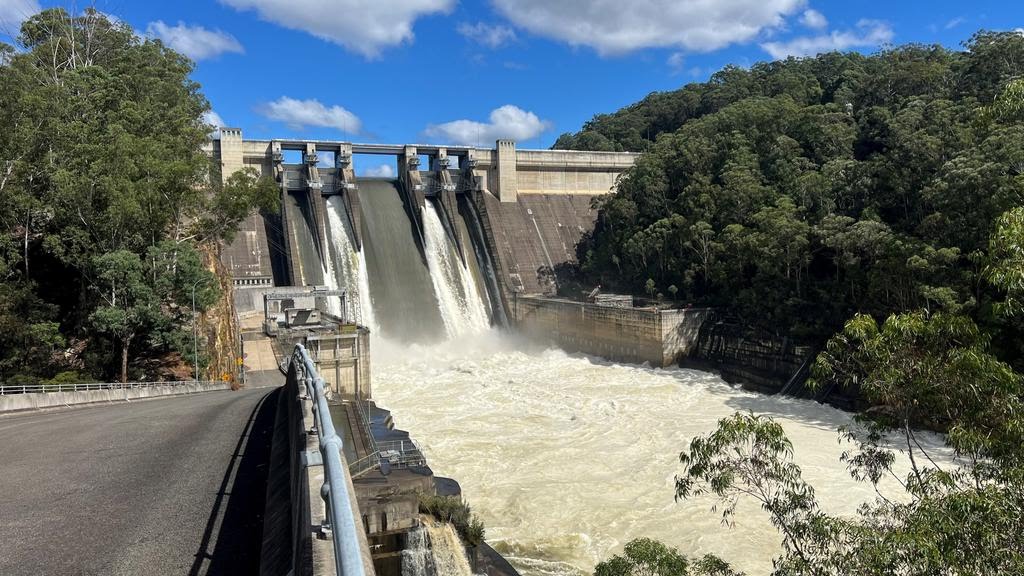
Sydney’s Warragamba Dam, which services much of the city, spilled over on Sunday after relentless rainfall drenched New South Wales for over a week. WaterNSW confirmed the dam hit 100% capacity on Saturday, and by early Sunday morning, an outflow of 20 gigalitres per day was pouring into the surrounding areas.
Residents downstream were urged to stay alert as floodwaters surged. Multiple smaller dams across Greater Sydney, including Woronora, Nepean, and Cataract, also began spilling.
The spill comes as the state grapples with the aftermath of catastrophic floods across the Mid North Coast and Hunter regions. The NSW SES estimated that more than 10,000 properties had been affected, with 50,000 people cut off by floodwaters. Tragically, four people lost their lives during the extreme weather.
Drone footage and on-the-ground reports show entire towns submerged, debris littering the landscape, and stranded livestock. Communities in places like Taree, Kempsey, and Port Macquarie remain isolated as flood levels recede. Authorities have been racing to assess damage, provide essential supplies, and restore power, with more than 3,000 residents still without electricity.
Meteorologists warn that while rains are easing, flooding will persist as river peaks move downstream. NSW faces more wild weather ahead, with strong winds, possible hail, and additional rainfall expected to lash the southeast in the coming days.
NSW Premier Chris Minns, who visited Taree, praised the bravery of locals and volunteers: “We know it’s been incredibly tough. The job today is to understand the impact of the storms and work out a game plan to get the community back up on their feet.”
The Insurance Council of Australia has already received over 1,600 claims related to the floods, with more expected as assessments continue. Residents are urged to follow emergency warnings and avoid floodwaters, with safety and recovery operations underway across the state.