Sri Lanka
 USA
USA Canada
 India
India UK
UK UAE
UAE




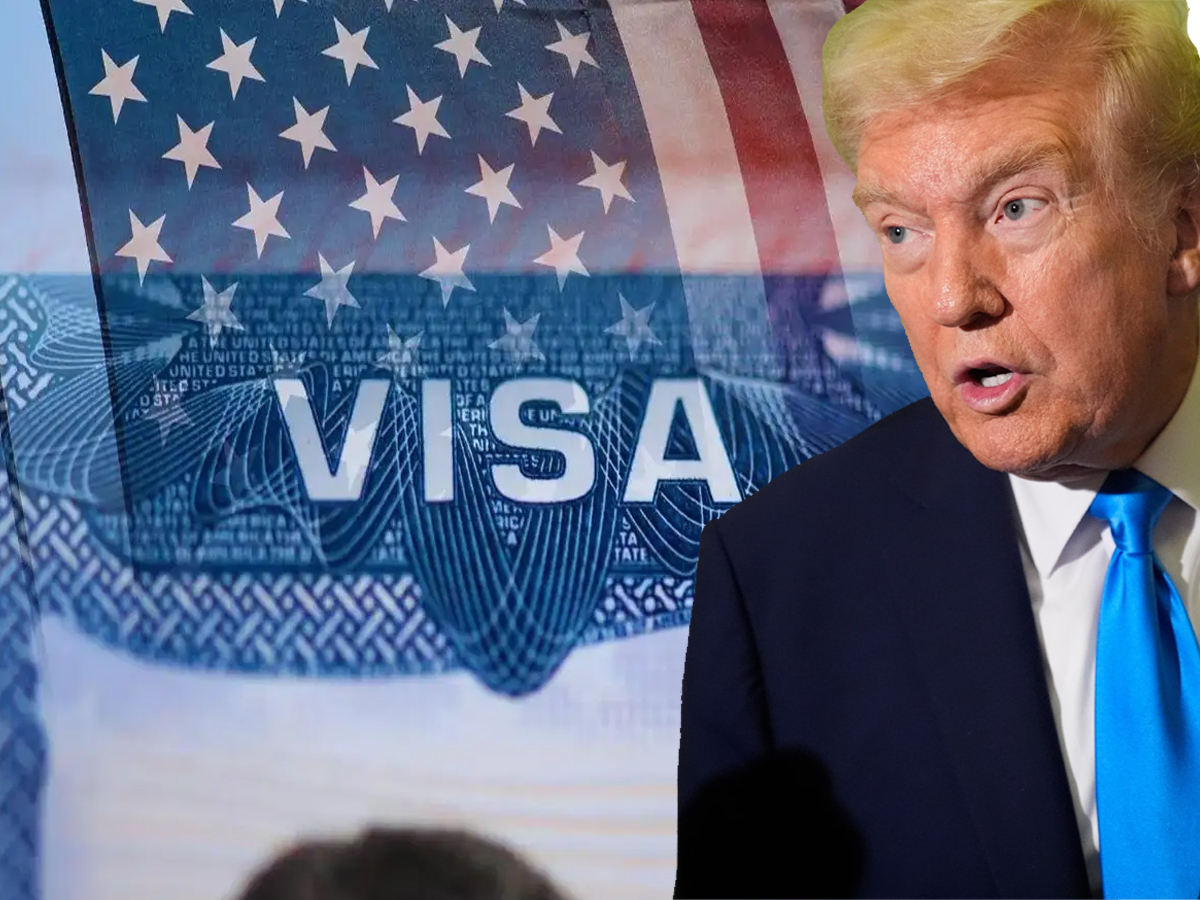
The administration of U.S. President Donald Trump has announced a sweeping halt to immigrant visa processing for applicants from 75 countries, marking one of the most extensive immigration restrictions introduced to date. A spokesperson for the U.S. State Department confirmed the policy change on Wednesday, describing it as part of an expanded effort to tighten immigration controls and reduce the number of new permanent residents entering the country.
According to the announcement, the suspension will take effect on January 21 and will affect applicants across multiple regions of the world. The list includes several Latin American nations such as Brazil, Colombia, and Uruguay; Balkan countries including Bosnia and Albania; South Asian applicants from Pakistan and Bangladesh; and a significant number of countries in Africa, the Middle East, and the Caribbean.
The spokesperson noted that the decision forms part of a broader realignment of U.S. immigration priorities, though details on the criteria for selecting the affected countries were not fully disclosed. Officials emphasized that the measure is temporary, but no specific timeframe was provided for when visa processing might resume.
The suspension applies only to immigrant visas—those that allow individuals to settle permanently in the United States—and does not currently extend to tourist, business, or student visas. However, immigration experts warn that broader restrictions may follow, given the administration’s ongoing push for stricter border controls and reduced legal immigration pathways.
The announcement has sparked concern among families and employers awaiting visa approvals, many of whom now face uncertainty over when or if their applications will move forward. Human rights groups and immigration advocates have criticized the move, arguing that such sweeping restrictions disproportionately affect vulnerable populations and could strain diplomatic relations with the impacted nations.
As of now, the State Department has not released the full list of countries or provided additional details on how pending applications will be handled, leaving thousands of prospective immigrants in limbo as the new policy is set to take effect.