Sri Lanka
 USA
USA Canada
 India
India UK
UK UAE
UAE




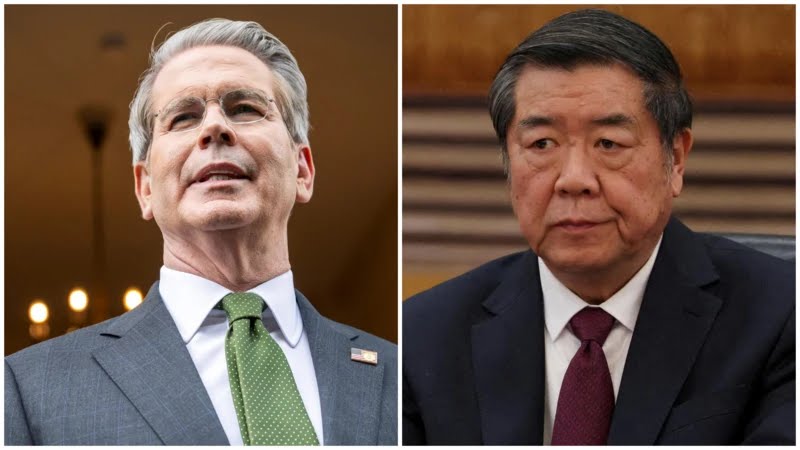
The United States and China have reached what the White House called a “trade deal” following a weekend of high-level talks in Geneva. The discussions, led by US Treasury Secretary Scott Bessent and China’s Vice Premier He Lifeng, were described as “productive” and “candid,” with both sides making significant progress on de-escalating the trade war.
The agreement—details of which will be released in a joint statement—comes after months of tension following steep tariff hikes imposed by both countries earlier this year. President Trump’s 145% tariff on Chinese goods had prompted a 125% retaliatory tariff from Beijing, creating economic uncertainty and roiling global markets.
According to US trade representative Jamieson Greer, the new deal is expected to reduce the $1.2 trillion US trade deficit and improve cooperation between the two economies. It also includes plans to set up a formal trade consultation mechanism.
Global markets responded positively. Stock markets in China and Hong Kong rose, and the yuan strengthened against the US dollar. US markets are expected to follow suit.
Trade analysts remain cautiously optimistic. While the deal signals a shift toward cooperation, many expect tariffs to remain above historical norms. Experts also noted that while progress has been made, ongoing negotiations will be critical to long-term stability.
The White House emphasized that future tariff reductions would depend on continued Chinese concessions and compliance with new agreements.