Sri Lanka
 USA
USA Canada
 India
India UK
UK UAE
UAE




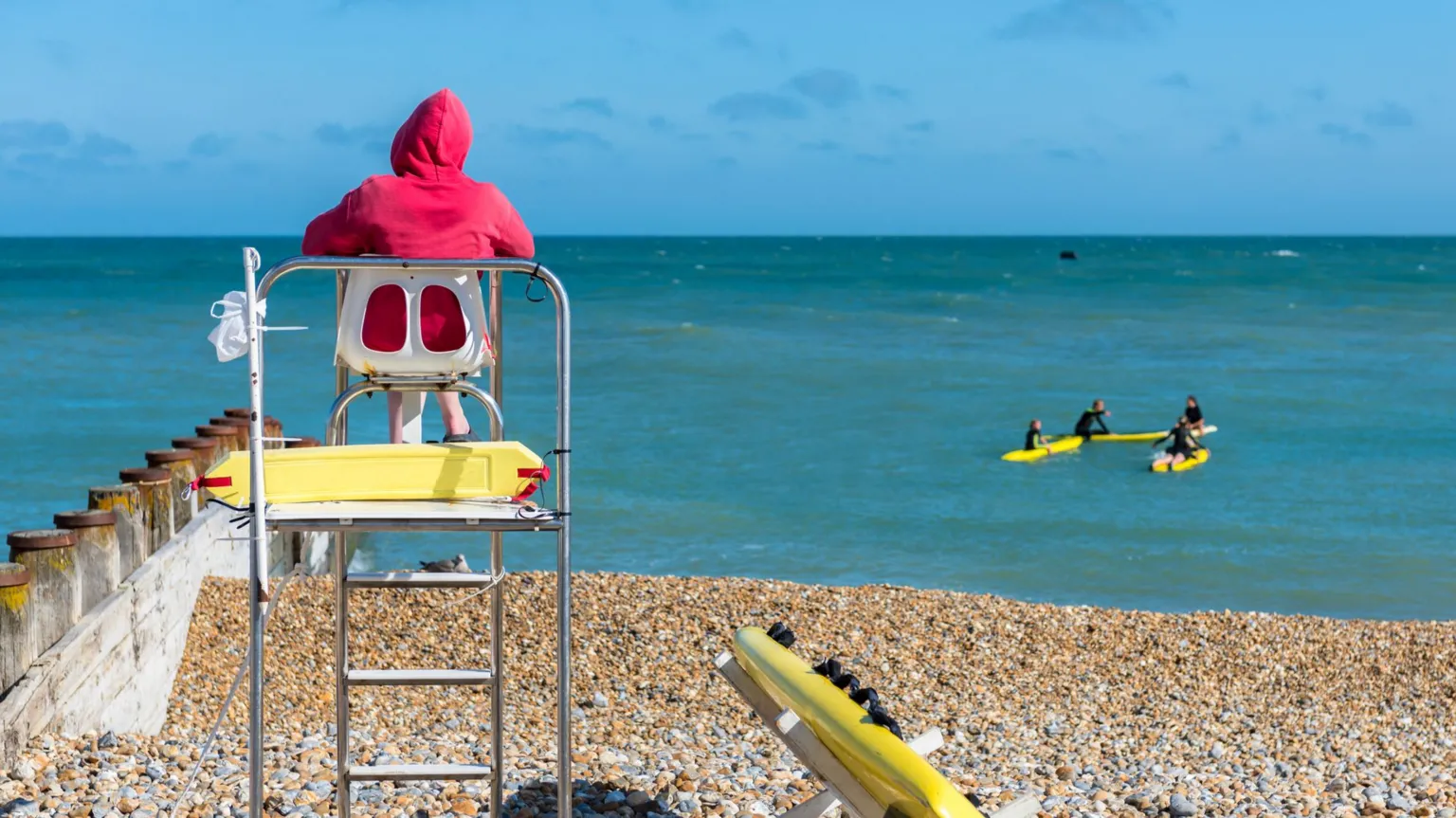
The seas surrounding the UK and Ireland are experiencing a dramatic rise in temperature, with some regions now 4°C above average, according to scientists from the Met Office and National Oceanography Centre. This marine heatwave—triggered by an exceptionally warm spring—poses growing concerns for marine ecosystems and beachgoers alike.
“This week, the heatwave has really soared. It’s super intense,” said Dr Ségolène Berthou of the Met Office. The surge is most severe off the west coast of Ireland and parts of Cornwall and Devon, with average sea surface temperatures hitting 12.69°C on May 19—well above the usual threshold of 11.3°C.
Marine heatwaves are defined by temperatures exceeding seasonal averages for more than five consecutive days. What’s surprising scientists is not just the temperature, but the duration: this event has lasted over two and a half months, far beyond the typical two-week stretch.
Dr Zoe Jacobs of the National Oceanography Centre noted that these conditions began as far back as winter and have intensified since March. The west coast of the UK is now 2.5°C warmer than normal, and Scottish waters are also significantly above average.
The potential effects are worrying. Warmer seas can disrupt marine species’ breeding cycles, bring jellyfish blooms (like the giant barrel jellyfish) closer to shore, and trigger harmful algal blooms that threaten marine life. Past marine heatwaves have caused mussel die-offs and widespread jellyfish invasions.
Still, scientists believe the worst may have been avoided—so far—as temperatures haven’t crossed critical limits for marine survival. However, sustained high temperatures could impact species migration, including sightings of bluefin tuna in UK waters.
This year’s spring heat followed decades of ocean warming due to climate change. Oceans absorb over 90% of excess heat from fossil fuel emissions, and the North Atlantic has warmed by approximately 0.3°C per decade.
While cooler weather is expected soon, the ocean takes time to adjust. “Even if air temperatures drop, the sea might only cool slightly—and briefly,” said Dr Jacobs. With forecasts suggesting more warm weather, this marine heatwave may not be over yet.