Sri Lanka
 USA
USA Canada
 India
India UK
UK UAE
UAE




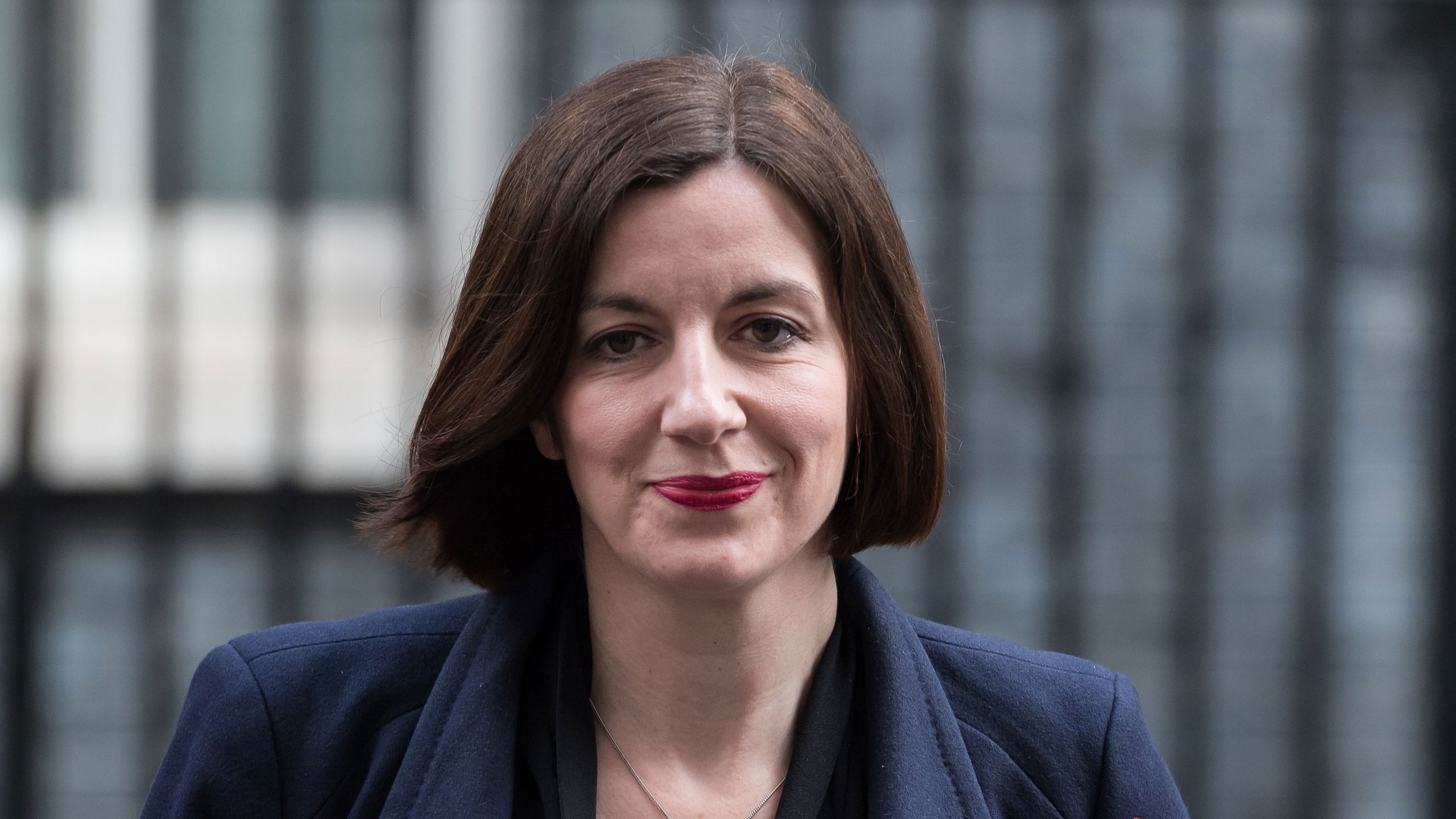
The UK government has affirmed that individuals should access toilets and services based on their biological sex, following a landmark Supreme Court ruling defining “woman” in legal terms as a biological female.
Equalities Minister Bridget Phillipson acknowledged the court’s decision but stopped short of directly stating that transgender women must use men’s toilets. Speaking on BBC Radio 4’s Today programme, she said: “The ruling was clear that provisions and services should be accessed on the basis of biological sex.”
Pressed for further clarification, Phillipson reiterated: “The ruling is clear.”
Prime Minister Sir Keir Starmer welcomed the verdict, stating it brought “much needed clarity” to an issue that has sparked extensive legal and political debate. He said, “I’m really pleased the court has clarified the position. We can move on from there.”
Phillipson added that the ruling would apply broadly, including in sectors like healthcare, changing rooms, and public services, where biological sex may determine access. However, she emphasized the importance of ensuring safe and respectful services for all individuals, including transgender people. She noted that the Equality and Human Rights Commission (EHRC) would soon publish further guidance and a statutory code of practice to ensure implementation is handled with dignity and privacy.
In practical terms, she highlighted that many businesses have already adapted to these challenges by offering unisex or single-occupancy toilets.
“Go into your local cafe, a local family cafe – chances are that they’ll have one cubicle that’s self-contained that can be used by anyone,” Phillipson remarked.
The EHRC has encouraged the development of third, gender-neutral spaces to address these sensitive issues and avoid discrimination.
The Supreme Court’s ruling came in response to a case brought by the campaign group For Women Scotland, which argued that interpreting “sex” to mean gender identity in law would compromise the function of single-sex services such as hospital wards, prisons, and support centers.
The court concluded that a biological definition was essential for single-sex spaces to function consistently, thus legally allowing the exclusion of transgender women—those who are biologically male—from such spaces. Still, the judges affirmed that trans individuals retain protections under other parts of the Equality Act.
Phillipson, who previously managed a women’s refuge, underscored the significance of maintaining secure environments for vulnerable women. “Women—especially those who have experienced male violence, sexual violence, and trauma—must be able to access safe, therapeutic spaces,” she said.
Asked about internal consensus within the government on this sensitive issue, Phillipson confirmed: “Yes there is, and I speak for the government on this matter.”
Labour leader Sir Keir Starmer echoed the minister’s stance, calling the ruling “a welcome step forward” and reinforcing that “a woman is an adult female.”
Discrimination lawyer Robin Moira White predicted the ruling might prompt the creation of more gender-neutral spaces as a lawful middle ground, while former Labour MP Ben Bradshaw warned against overinterpreting the decision, saying the full implications would become clearer over time.