Sri Lanka
 USA
USA Canada
 India
India UK
UK UAE
UAE




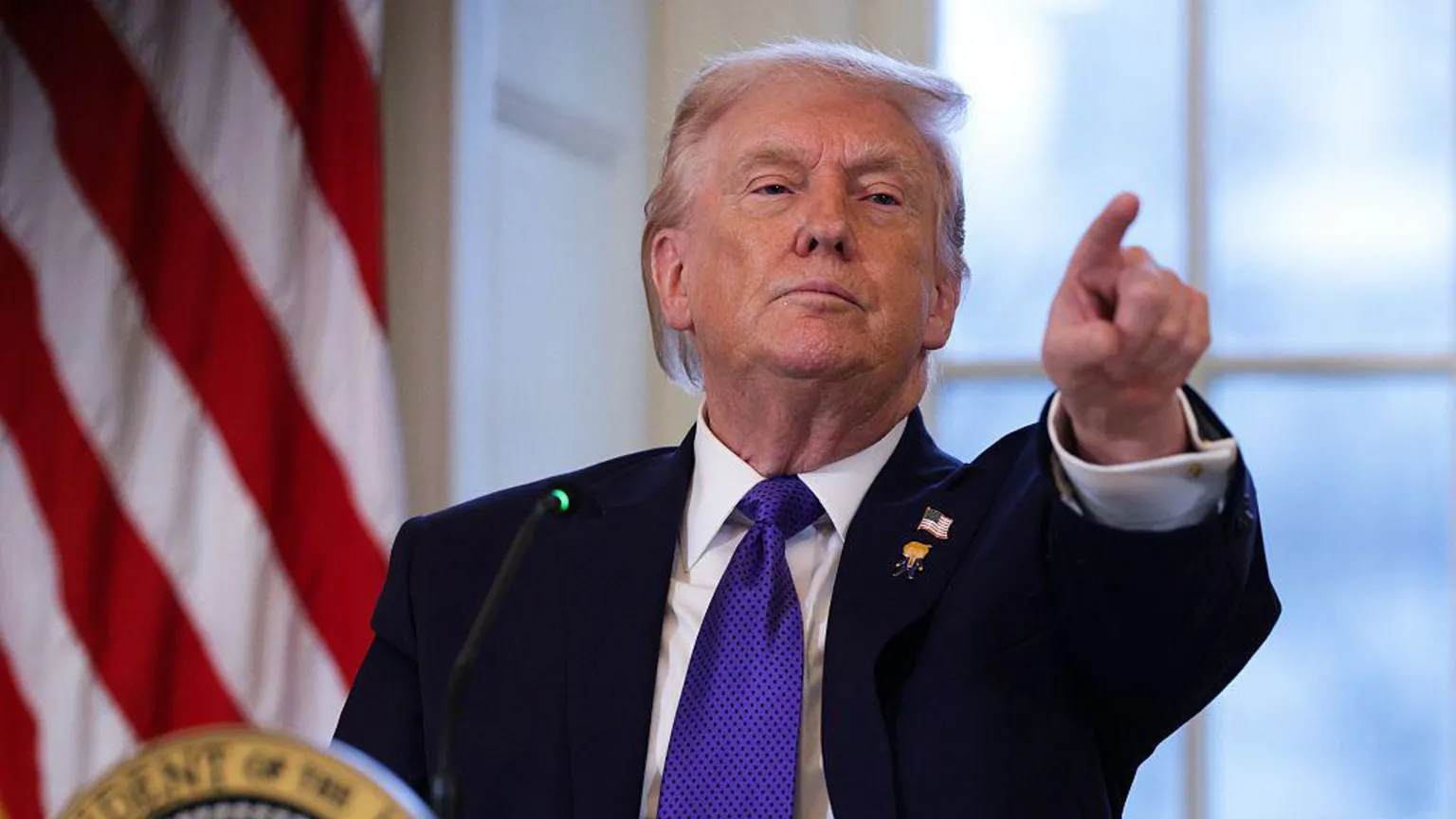
Former US President Donald Trump has issued a stark warning to Cuba, urging the island nation to “make a deal” or face further consequences, as the United States moves to halt the flow of Venezuelan oil and financial support to Havana.
Trump’s remarks come amid heightened tensions following a US raid in Caracas on January 3, during which Venezuelan President Nicolás Maduro was seized. Venezuela, a long-time ally of Cuba, is believed to supply the island with approximately 35,000 barrels of oil per day, a lifeline that has helped sustain Cuba’s energy needs.
Posting on Truth Social, Trump claimed that Cuba had relied for years on Venezuelan oil and money in exchange for providing security services to Venezuela’s leadership. He asserted that such support would now end, declaring there would be “no more oil or money going to Cuba.” Trump did not specify what a potential deal would entail or what further measures the US might take if Cuba failed to comply.
Cuban officials strongly rejected the remarks. Foreign Minister Bruno Rodríguez stated that Cuba retains the sovereign right to import fuel from any willing exporter without external interference, emphasising that the country does not submit to “blackmail or military coercion.” President Miguel Díaz-Canel echoed the sentiment, saying that Cuba would not allow foreign powers to dictate its decisions.
The US has already intensified pressure by seizing Venezuelan oil tankers accused of carrying sanctioned crude. On Friday, American authorities confiscated a fifth tanker, a move that has further strained Cuba’s already fragile fuel and electricity supplies.
Trump also referred to the Caracas operation, claiming that Cuban nationals involved in providing security to Venezuela’s leadership were killed during the raid. Cuban authorities, however, stated that 32 Cuban nationals lost their lives in the operation and denied receiving any form of payment for security services rendered abroad.
While the Trump administration has not outlined a clear policy roadmap for Cuba, US Secretary of State Marco Rubio recently suggested that Cuba’s leadership should be concerned about future developments. Trump further fuelled speculation by resharing a post suggesting Rubio could one day lead Cuba, adding his approval with the comment, “Sounds good to me!”
The renewed tensions reflect a broader shift in US foreign policy towards Latin America, with Trump increasingly invoking a modernised version of the Monroe Doctrine to justify assertive actions against left-wing governments in the region.
US-Cuba relations have remained strained since Fidel Castro’s 1959 revolution, despite brief periods of rapprochement under former President Barack Obama. Many of those diplomatic openings were reversed during Trump’s first term, including the reinstatement of Cuba’s designation as a state sponsor of terrorism shortly after he began his second term.