Sri Lanka
 USA
USA Canada
 India
India UK
UK UAE
UAE




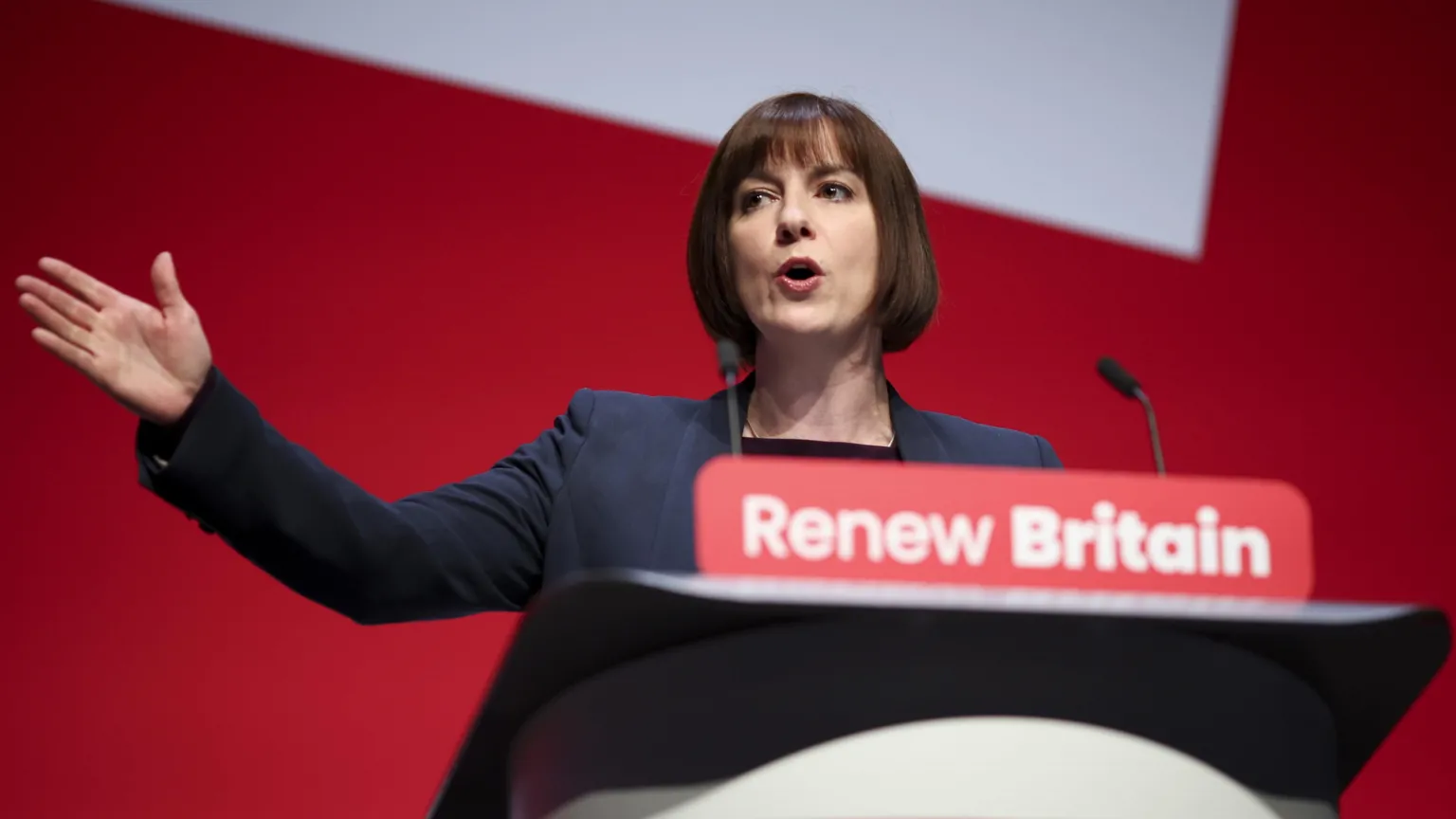
Trans women will not be able to take part in the main sessions of next year’s Labour Women’s Conference, following a legal review triggered by the April Supreme Court ruling that defines “woman” as biological sex under equalities law.
Under the new rules, trans women cannot join formal conference proceedings, including speeches and policy debates in the main hall. However, they can attend open-access fringe events. The Labour Party says this format offers the “least restrictive” balance between accessibility and legal compliance.
The Women’s Conference, traditionally held one day before the main Labour Party Conference, was cancelled in 2025 after legal concerns emerged. Before the ruling, Labour allowed self-identification, enabling trans women to attend and participate in all-women shortlists.
Following a comprehensive legal review, Labour confirmed the 2026 conference will proceed with revised attendance rules “to address women’s under-representation and comply with the law.”
Meanwhile, the government is still considering a new code of practice on how public bodies should apply the Equality Act after the Supreme Court ruling. The Equality and Human Rights Commission (EHRC) has already submitted a draft, but Equalities Minister Bridget Phillipson said she will take the necessary time to ensure the guidance is “legally sound.”
The EHRC’s outgoing chair, Baroness Falkner, argued that delays have created a “grey zone” around single-sex spaces, with organisations interpreting the law differently. She warned against postponing guidance that she believes is clearly lawful.
Two major organisations have already changed their policies:
• The Women’s Institute will no longer offer membership to trans women.
• Girlguiding UK has ruled that trans girls cannot join its groups.
Labour’s new conference rules reflect the growing national impact of the Supreme Court decision and the shifting policies around single-sex spaces across the UK.