Sri Lanka
 USA
USA Canada
 India
India UK
UK UAE
UAE




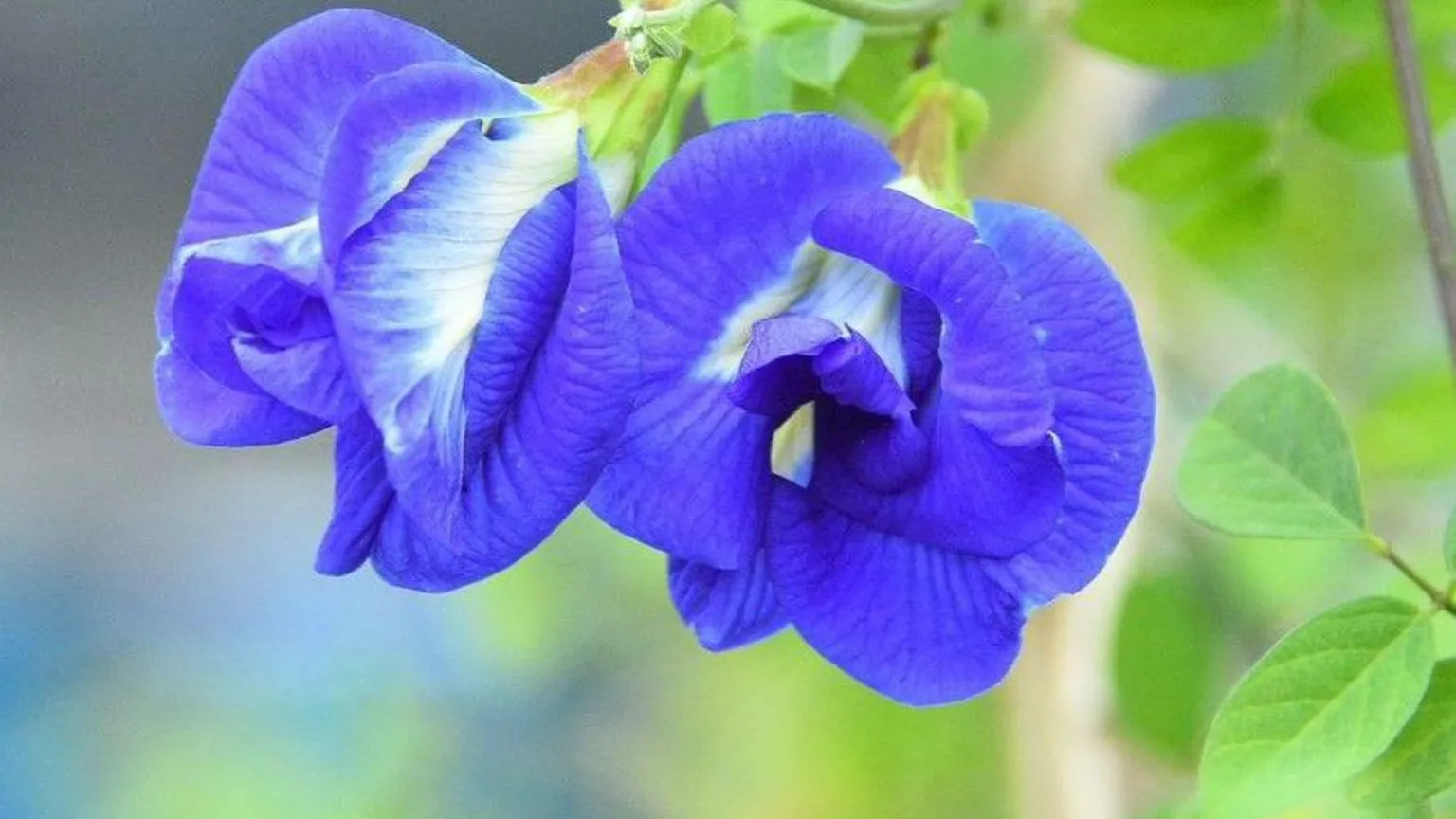
A once-overlooked wild creeper is quietly transforming rural livelihoods across India, as the vibrant blue butterfly pea flower emerges as a lucrative commercial crop driven by rising global demand for natural food colourants and herbal products.
In the northeastern Indian state of Assam, farmer Nilam Brahma recalls how the butterfly pea plant, locally known as aparajita, was once dismissed as a backyard ornamental. That perception changed two years ago when she learned that dried flowers could be sold for use in herbal teas and natural dyes.
Her first sale earned her nearly $50 (£37) — a turning point that sparked a small enterprise. With the help of a micro-loan, Brahma invested in solar dryers, enabling faster processing, colour preservation, and compliance with buyer quality standards. “It made me believe I could control my own future,” she says.
Traditionally cultivated and consumed in Thailand and Indonesia, butterfly pea is now attracting attention from Indian entrepreneurs. According to Varshika Reddy, founder of export firm THS Impex, demand is being fuelled by stricter regulations in Western markets and consumer preference for natural ingredients. The US Food and Drug Administration approved the flower as a food additive in 2021, although European regulators still classify it as a “novel food” requiring further approval.
Despite regulatory uncertainty, Indian producers see strong domestic and export potential. “The crop is still viewed as a medicinal or ornamental plant rather than a commercial commodity,” Reddy notes, citing the lack of standard pricing and formal classification. Her company now works closely with farmer clusters — many of them women — offering agronomy training and formal supply contracts.
Entrepreneur Nitesh Singh has also been instrumental in scaling production. In 2018, he founded Blue Tea after discovering the flower’s striking colour-changing properties — blue in hot water, purple with lemon. Early challenges included inconsistent quality and low pigment content in locally grown flowers, forcing initial imports.
Today, Singh collaborates with nearly 600 farmers nationwide, focusing on training, quality control, and careful harvesting — work largely undertaken by women due to the delicate nature of the flowers. Controlled drying, he says, is critical to preserving colour and medicinal value.
Beyond its visual appeal, the butterfly pea flower is gaining attention for potential health benefits. V Supriya, an associate professor at Sri Ramachandra Institute of Higher Education and Research, conducted a small human study indicating improved blood sugar control among pre-diabetic participants consuming butterfly pea tea. She cautions that more research is needed but believes interest will grow as evidence expands.
For farmers like Pushpal Biswas in West Bengal, the crop has already delivered tangible change. After years of losses growing rice and vegetables, butterfly pea cultivation increased both his landholding and income. “This isn’t just farming anymore,” he says. “It has become a network, a community, a business family.”
As India searches for sustainable agricultural opportunities, the humble blue flower is proving that innovation, market access, and community support can turn overlooked plants into engines of rural prosperity.