Sri Lanka
 USA
USA Canada
 India
India UK
UK UAE
UAE




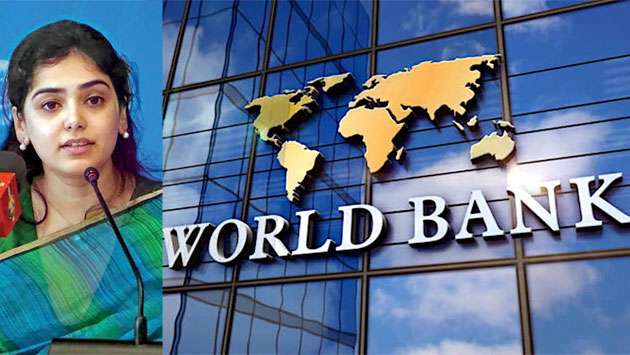
Sri Lanka’s current economic growth is not enough to create jobs for the one million people expected to enter the workforce over the next decade, according to World Bank experts.
Arvind Nair, World Bank Lead Economist for Maldives, Nepal, and Sri Lanka, highlighted a looming “jobs gap” if growth remains slow, urging the private sector to invest and generate employment. Poverty rates, which have doubled since the economic crisis, also require growth to improve living standards.
Country Economist Shruti Lakhtakia emphasized the importance of fiscal and external stability as a foundation for sustained growth. While a 3–4% growth rate this year may keep debt on track under the IMF programme, it falls short of fulfilling the aspirations of Sri Lankans and providing adequate job opportunities.
She warned that maintaining debt targets with low growth would require strict austerity, limiting the government’s ability to respond to unforeseen challenges like natural disasters.
The World Bank stresses that economic growth is essential not only for fiscal stability but also to create jobs and improve livelihoods.