Sri Lanka
 USA
USA Canada
 India
India UK
UK UAE
UAE




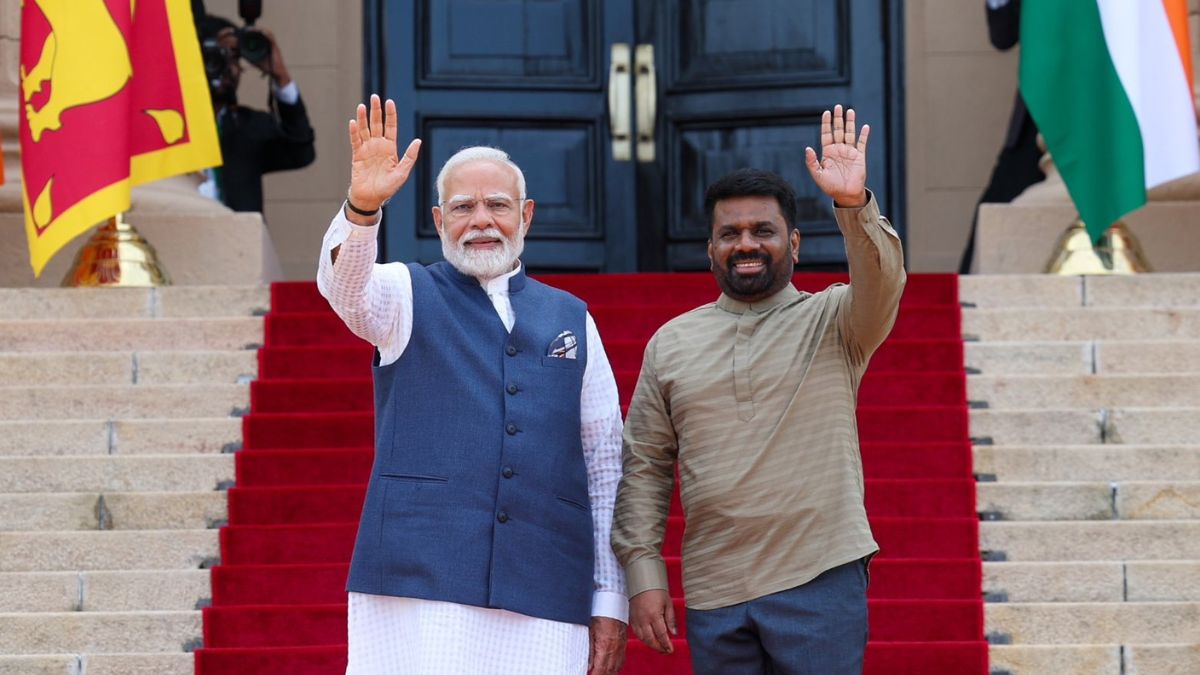
Amid rising political and public concern, the Sri Lankan government urges citizens to seek details of the recent defence MoU with India through the Right To Information Act, as calls for transparency intensify.
The Sri Lankan government is facing persistent demands from the political Opposition and media for greater transparency regarding its recently signed Memorandum of Understanding (MoU) on defence cooperation with India. In response, officials have directed those seeking further information to use the Right To Information (RTI) Act.
Cabinet spokesperson Nalinda Jayatissa, speaking at a press briefing earlier this week, explained that certain contents of the MoU could not be disclosed without India’s consent. The main Opposition party, Samagi Jana Balawegaya (SJB), has accused President Anura Kumara Dissanayake’s administration of “secrecy,” insisting that all MoUs signed with India be tabled in Parliament.
The defence MoU was among seven agreements signed during Indian Prime Minister Narendra Modi’s visit to Sri Lanka from April 4 to 6, with other agreements covering areas like energy cooperation, digital initiatives, and healthcare. During the visit, Indian Foreign Secretary Vikram Misri described the defence MoU as an “umbrella agreement” aimed at creating a more “structured” framework for ongoing cooperation.
Prime Minister Modi, during his visit, expressed gratitude to President Dissanayake for his “sensitivity towards India’s interests,” emphasizing that both nations’ security interests are deeply interconnected.
However, the MoU has triggered debates within Sri Lanka. Retired civil servant Austin Fernando questioned whether Sri Lanka’s defence alignments now implicitly endorse broader Indian strategic visions, such as the controversial “Akhanda Bharat” concept, and partnerships involving Russia, America, and Israel. He raised concerns over the impact on Sri Lanka’s traditionally non-aligned foreign policy stance.
Public scrutiny over the MoU began even before Modi’s arrival, following Indian media reports hinting at a “major defence pact.” These early revelations fueled scepticism among Sri Lankan commentators and the broader public.
The government’s handling of the matter has only intensified attention. Speaking at a rally in Galle, President Dissanayake described the defence MoU as simply formalising existing joint operations and training activities. Foreign Minister Vijitha Herath stressed that the agreement was a “non-binding MoU” and not a full-fledged defence pact.
A senior Sri Lankan official, speaking anonymously to The Hindu, downplayed fears about the agreement, suggesting that it reflects modern strategic realities rather than past experiences, such as the controversial interventions of the 1980s involving the Indian Peace Keeping Force.
Nevertheless, major publications like the Sunday Times have criticized the government’s secrecy, particularly concerning MoUs related to the Trincomalee ‘Energy Hub’ project and the broader defence cooperation framework. The editorial questioned why the Sri Lankan government remained silent when Indian officials and media were openly celebrating the agreements.
Meanwhile, concerns persist over whether the MoU addresses sensitive issues such as Chinese research vessel visits. Recently, Indian media speculated that a joint naval exercise between Pakistan and Sri Lanka was cancelled due to the new defence understanding with India. However, Sri Lankan authorities swiftly denied any cancellation, clarifying that a Pakistani naval vessel had indeed conducted a successful exercise with the Sri Lankan Navy in March.
As scrutiny mounts, the demand for full transparency over Sri Lanka’s evolving defence ties with India shows no signs of diminishing.
#SriLanka #IndiaSriLankaRelations #DefenceMoU #RightToInformation #SJB #SriLankaPolitics #Transparency