Sri Lanka
 USA
USA Canada
 India
India UK
UK UAE
UAE




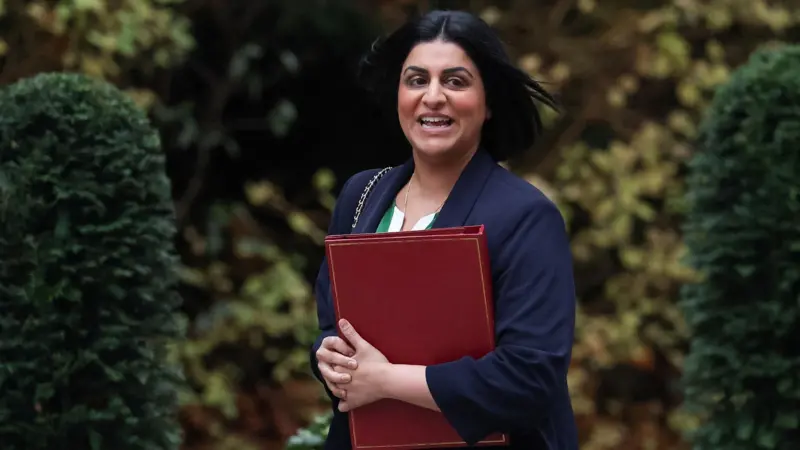
The UK government has unveiled major changes to its immigration system that could significantly extend the amount of time legal migrants must wait before becoming eligible for Indefinite Leave to Remain (ILR). Under the new proposals announced by Home Secretary Shabana Mahmood, the standard qualifying period for settlement will rise from five years to 10 years — and, for some, it could stretch to as long as 20 years.
Mahmood confirmed that the extended waiting period will apply to an estimated 2.6 million people who arrived in the UK since 2021. Those who have already secured ILR will not be affected.
She emphasized that joining the UK permanently is “not a right but a privilege — and one that must be earned.” The announcement forms part of a wider effort by the government to overhaul the immigration system following unprecedented arrival numbers in recent years.
What the New Rules Mean for Legal Migrants
Settlement, also known as ILR, grants individuals the right to live and work in the UK without restrictions and is a crucial step toward British citizenship. Under current rules, most work and family visa holders can apply after five years. The new system, however, introduces a tiered approach:
Standard route: 10 years
Migrants who claim benefits for less than 12 months: 15 years
Post-Brexit health and social care visa holders: 15 years (up from five)
Migrants reliant on benefits for more than 12 months: 20 years — the longest waiting period in Europe
Applicants could shorten their qualifying period if they meet specific criteria. High earners will benefit from accelerated pathways:
Earners above £125,140: eligible in three years
Earners above £50,270: eligible in five years
Volunteering experience and higher English language skills may also reduce the wait.
Government’s Push for an “Earned Settlement” System
Under the proposed framework, migrants will be required to demonstrate social integration, economic stability, and good character. New minimum requirements include A-level equivalent English proficiency, a clean criminal record, and an annual income above £12,570 for at least three years.
Certain categories will still qualify for fast-tracked settlement:
Doctors and nurses in the NHS: five years
High-value talent, entrepreneurs, and top earners: three years
Victims of domestic abuse, bereaved partners, and resettled refugees: existing routes remain unchanged
Family members will no longer automatically acquire settled status alongside the main applicant. Children under 18 may settle with their parents, while older dependants will face separate conditions.
Response and Concerns
The announcement prompted strong reactions, particularly from public service unions. Unison described the changes as “devastating” for essential workers who played critical roles during the pandemic. General Secretary Christina McAnea warned that delaying security for care workers, nursing assistants, and school support staff for up to 15 years risks destabilizing vital public services.
Shadow Home Secretary Chris Philp accused the Labour government of rehashing policies previously introduced by Conservatives, while also urging consideration of a migration cap. Reform UK has previously argued for abolishing ILR altogether.
The government intends to roll out the new system from spring 2026, following a consultation period ending on 12 February. This comes shortly after Mahmood announced sweeping reforms to the UK asylum system, including plans to replace permanent refugee status with temporary protection reviewed every 30 months.