Sri Lanka
 USA
USA Canada
 India
India UK
UK UAE
UAE




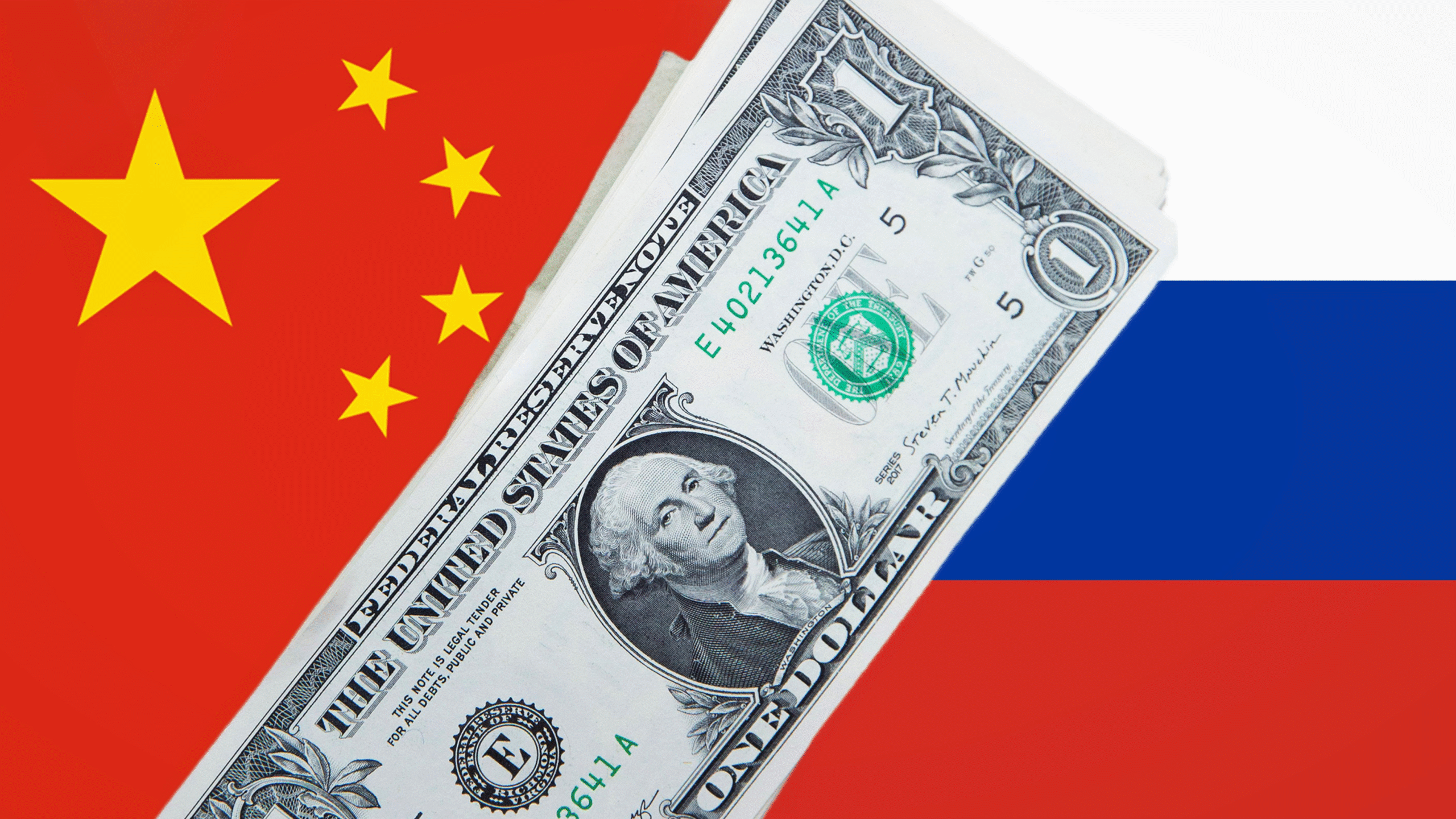
Russia and China have achieved a landmark milestone in their financial partnership, with over 99% of bilateral trade now settled in rubles and yuan — a move that further weakens the global dominance of the U.S. dollar.
Russia and China have reached a new level of financial cooperation, with 99.1% of their trade now conducted in their national currencies — the ruble and yuan, according to Russian Finance Minister Anton Siluanov. The announcement, made during the 11th Russia-China Financial Dialogue in Beijing, underscores the two nations’ determination to strengthen economic ties and build financial resilience amid Western sanctions.
Siluanov highlighted that both countries are committed to safeguarding their financial systems from external disruptions. “It is essential to create favorable conditions for business and ensure a clear and accessible payment mechanism for citizens of both Russia and China,” he said. This initiative, he noted, will also support tourism, cultural exchange, and scientific collaboration between the two countries.
The increasing use of local currencies represents a strategic response to Western sanctions following Russia’s 2022 invasion of Ukraine, which excluded Moscow from the global SWIFT payment system. In turn, Russia pivoted towards China, adopting its Cross-Border Interbank Payment System (CIPS) and other yuan-based mechanisms.
Trade between the two countries has surged, surpassing $250 billion in 2024, with most transactions now handled in yuan and rubles. This shift not only shields both nations from Western oversight but also signals a broader movement toward global de-dollarization.
Experts say this evolution reflects a new phase in Russia-China relations. “The partnership has shifted from convenience to strategic necessity,” said Alexei Maslov of Moscow State University. “The 99% milestone reflects a broader geopolitical realignment where the dollar’s dominance is being challenged.”
Chinese Finance Minister Lan Fo’an, who co-chaired the meeting, emphasized the importance of aligning macroeconomic and financial policies, noting that China and Russia are “constructive forces in maintaining global stability.”
The move also aligns with China’s ambition to internationalize the yuan, positioning it as a stable alternative for emerging economies across Asia, Africa, and the Global South. Within the BRICS bloc — now including Saudi Arabia and Iran — there are growing calls for alternative payment systems and even a common reserve currency, signaling a potential restructuring of the global financial order.
Beyond trade, Moscow and Beijing are now exploring digital finance integration, including linking Russia’s upcoming digital ruble with China’s digital yuan — a step toward creating an independent financial network free from Western interference.
However, challenges remain, such as exchange rate volatility and the risk of secondary sanctions from Western nations. Yet, as analysts point out, the progress between the two countries marks a significant milestone in the world’s transition toward a more multipolar financial system.