Sri Lanka
 USA
USA Canada
 India
India UK
UK UAE
UAE




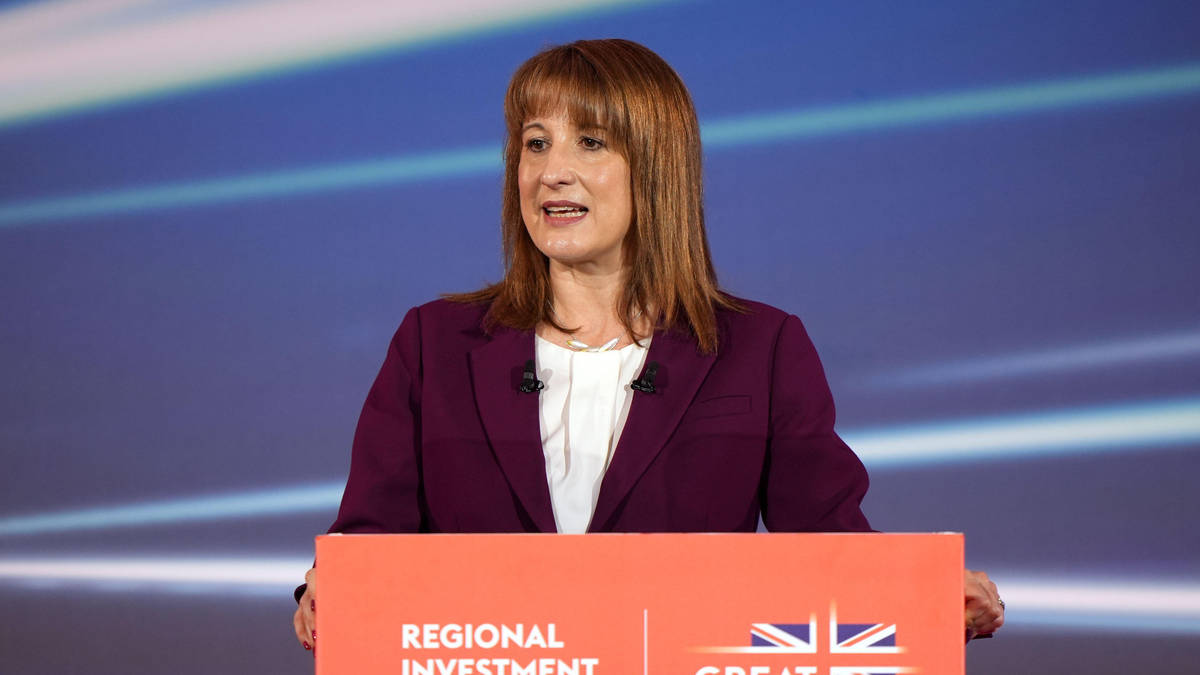
UK Chancellor Rachel Reeves has pledged to “defy” pessimistic economic forecasts as Britain faces a growing shortfall in public finances, with official projections suggesting a £20 billion gap could emerge in the coming months.
According to reports, the Office for Budget Responsibility (OBR) is preparing to downgrade the country’s productivity performance—a key measure of economic output per hour worked. This downgrade is expected to deepen the strain on the government’s fiscal rules, potentially forcing Reeves to consider tax hikes in her upcoming Autumn Budget.
Writing in The Guardian, Reeves said she would not “pre-empt” the OBR’s conclusions but was “determined that we don’t simply accept the forecasts but defy them.” She acknowledged that the UK’s productivity performance—especially following the Conservative government’s policies, Brexit, and the Covid-19 pandemic—has remained too weak.
Economists from the Institute for Fiscal Studies (IFS) estimate that a downgrade of 0.3 percentage points in productivity could add £21 billion to government borrowing needs by 2029–30. The IFS further warned that Reeves would “almost certainly” need to raise taxes to stay within her borrowing rules.
Despite previously insisting she was “not coming back for more tax rises” after introducing £40 billion in increases last year—including a rise in employer National Insurance contributions—Reeves now faces mounting pressure to find fiscal balance.
In her statement, Reeves blamed austerity, a chaotic Brexit, and the pandemic for leaving “deep scars on the British economy.” She emphasized that “if productivity is our challenge, then investment is our solution,” reaffirming her plans to invest in the NHS, infrastructure, energy, and defence to “get Britain building.”
While ruling out a return to austerity, Reeves must now choose between spending cuts, borrowing more, or raising taxes—a politically sensitive decision that will define her Budget next month.
The Chancellor also noted that she does not need “a spreadsheet to tell [her] that too many working people in Britain feel the economy is unfair.” She added that upcoming fiscal decisions “won’t be easy, but they are the right, fair and necessary choices.”