Sri Lanka
 USA
USA Canada
 India
India UK
UK UAE
UAE




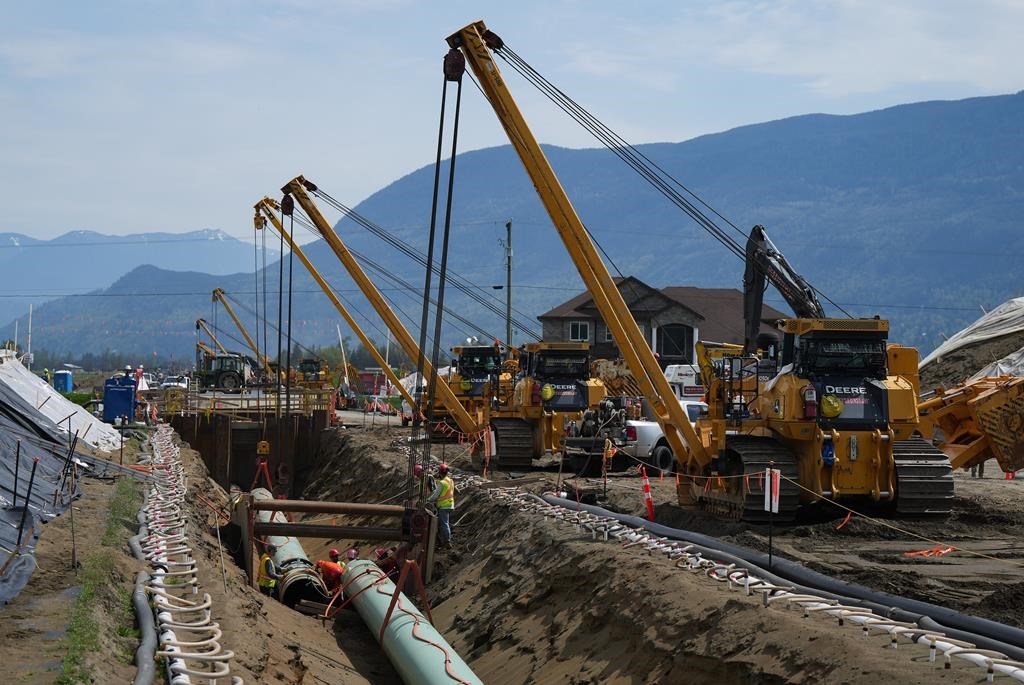
As Prime Minister Mark Carney’s government prepares to unveil the first set of “projects of national interest,” sources confirm that no oil pipeline will be included in the initial announcement.
While the absence has raised eyebrows in Alberta, where Premier Danielle Smith has pushed for a new oilsands-to-B.C. pipeline, federal officials stress the decision does not rule out future approval. A senior Liberal source told Radio-Canada that Ottawa is “not opposed” to pipelines but is awaiting private sector involvement before advancing any project.
Carney himself has signaled openness, saying during the election campaign: “We have to choose a few major projects, not necessarily pipelines, but maybe pipelines: we’ll see.” He also underlined the importance of provincial consensus.
So far, however, no private company has stepped forward to finance or develop such a project. Alberta blames federal regulations — including the emissions cap on oil and gas and the tanker moratorium on B.C.’s northern coast — for discouraging investment.
The absence of a pipeline on the first national list may also reassure the Liberal Party’s progressive wing, which has pushed Carney to prioritize climate concerns. At the same time, the government insists this is only the “first tranche” of national projects, leaving the door open for pipelines in the future.
Meanwhile, Smith has warned Ottawa that sidelining pipelines risks fueling uncertainty in Alberta and undermining national unity. The debate underscores the enduring tension between energy development, climate commitments, and federal-provincial relations in Canada’s energy future.