Sri Lanka
 USA
USA Canada
 India
India UK
UK UAE
UAE




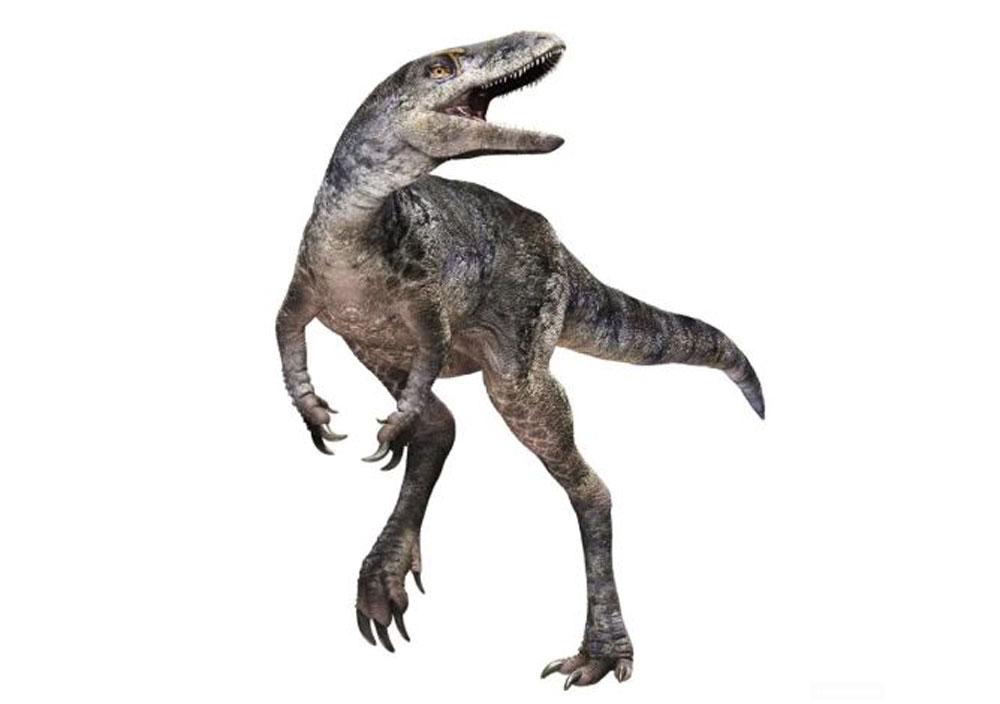
Scientists have identified a new species of dinosaur in a Mongolian museum collection that reshapes the known evolutionary history of tyrannosaurs. The species, named Khankhuuluu mongoliensis — meaning “Dragon Prince of Mongolia” — dates back 86 million years and is now believed to be the closest known ancestor of all tyrannosaurs, including the legendary Tyrannosaurus rex.
This significant discovery was made by PhD student Jared Voris and Professor Darla Zelenitsky from the University of Calgary. The dinosaur’s partial skeletons, first excavated in the 1970s, were originally classified as an existing species. However, upon reexamination, Voris identified unique features linking the fossils more closely to the tyrannosaur lineage.
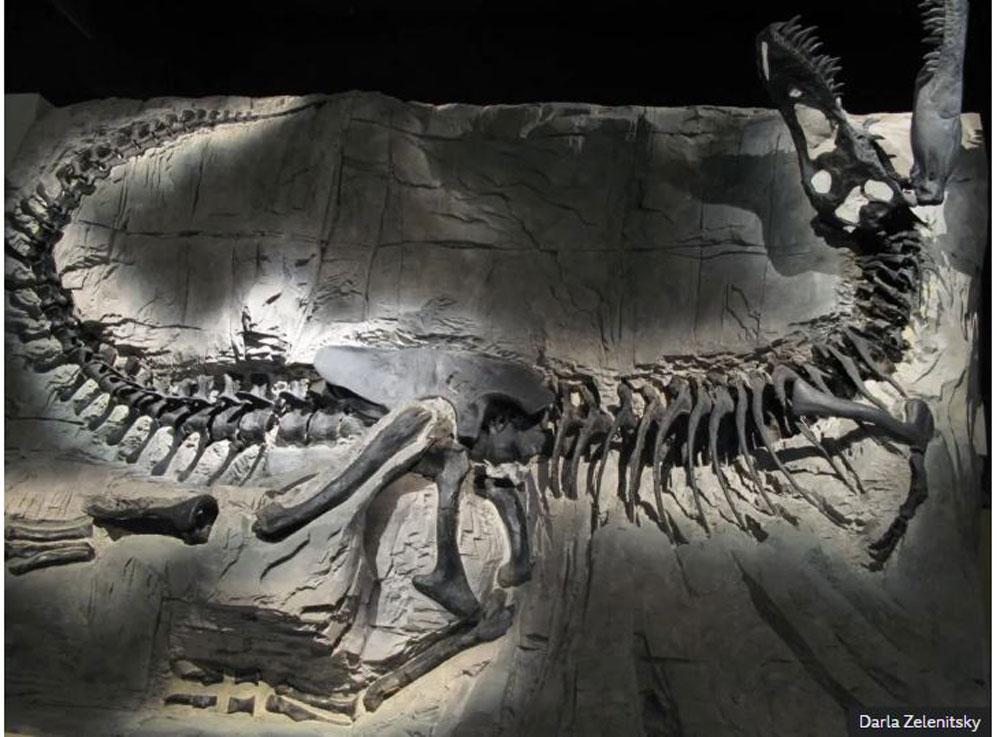
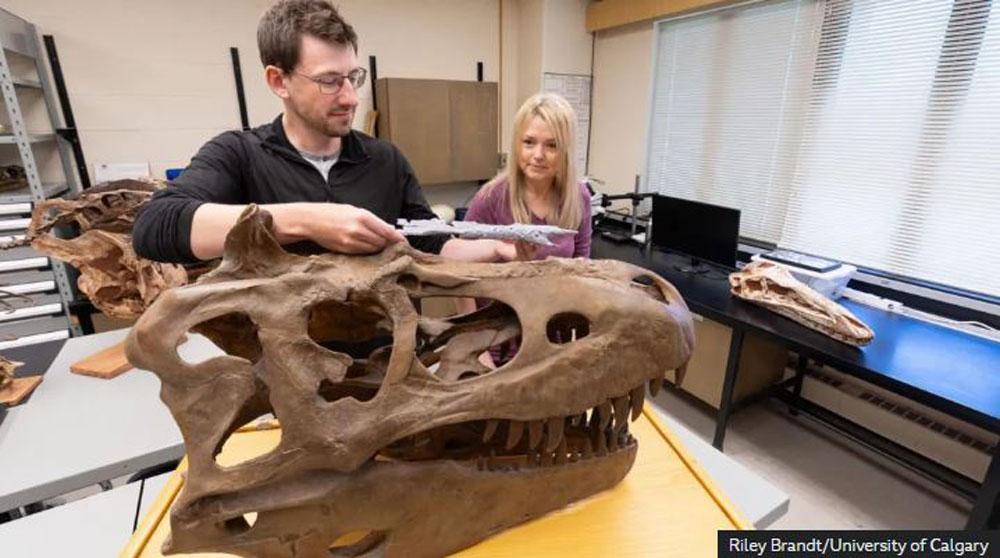
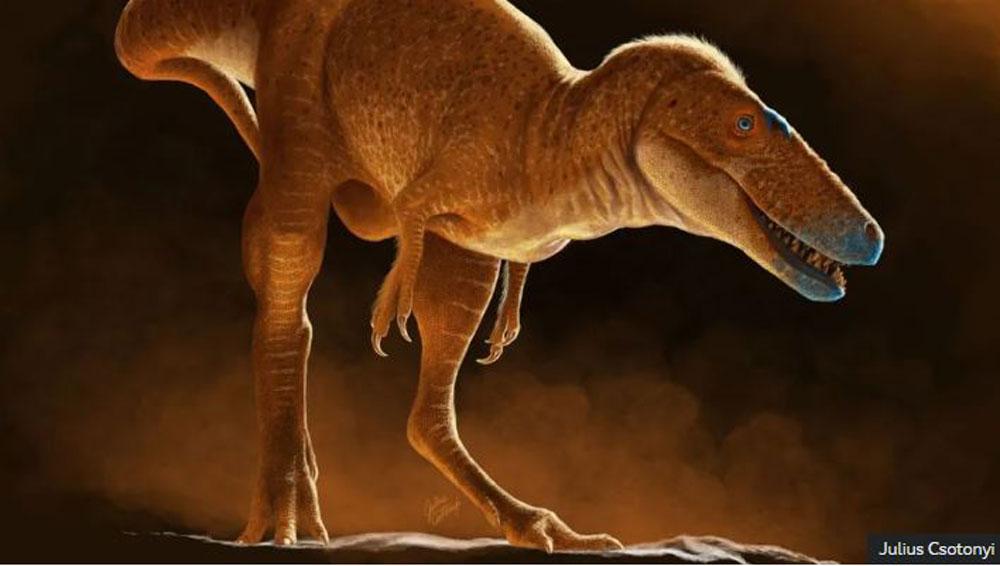
Khankhuuluu marks a transitional stage in tyrannosaur evolution—from smaller, fast-moving hunters of the Jurassic period to the massive apex predators of the late Cretaceous. Weighing around 750 kilograms, it shows early signs of key traits later seen in T.rex, including a strong skull structure that would evolve into the powerful bone-crushing jaws tyrannosaurs are known for.
The find also offers new insight into how tyrannosaurs moved between Asia and North America via ancient land bridges, allowing them to evolve and dominate across continents.
“This discovery allows us to redraw the tyrannosaur family tree,” said Prof. Zelenitsky. “Before they were kings, they were princes.”