Sri Lanka
 USA
USA Canada
 India
India UK
UK UAE
UAE




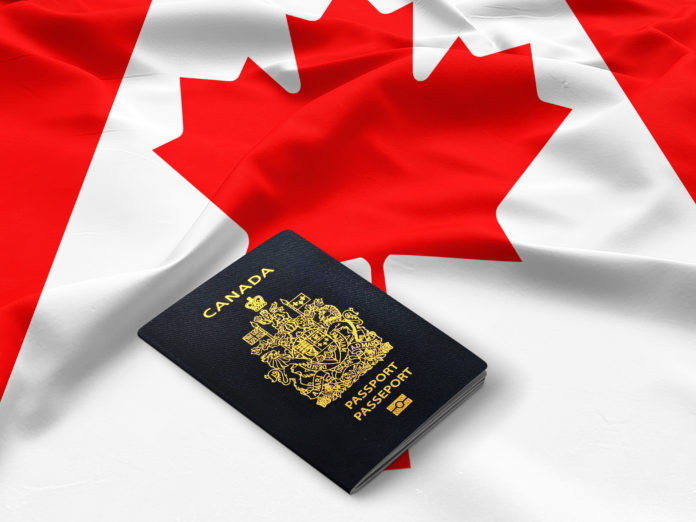
Canada has officially implemented long-awaited changes to its citizenship laws, allowing thousands of people born or adopted abroad to claim Canadian citizenship under updated and fairer rules.
The Government of Canada has brought new citizenship rules into effect through Bill C-3, An Act to Amend the Citizenship Act (2025), marking a major shift in how citizenship by descent is granted.
Under the new law, individuals born before December 15, 2025, who were previously denied citizenship due to the first-generation limit or outdated provisions, are now recognized as Canadian citizens and may apply for proof of citizenship.
The amended legislation also establishes a clearer and more inclusive path for future generations. Canadian parents who were born or adopted abroad can now pass citizenship to children born or adopted outside Canada, provided they can demonstrate that they lived in Canada for at least three years before the child’s birth or adoption.
This change is designed to better reflect the realities of modern Canadian families, many of whom study, work, or live abroad while maintaining strong ties to Canada. The government emphasized that citizenship by descent should be based on genuine and demonstrated connections to the country.
Immigration, Refugees and Citizenship Canada (IRCC) confirmed that applications affected by previous restrictions will now be processed under the new rules, and applicants do not need to reapply if they have already submitted documentation.
The reform follows a 2023 Ontario Superior Court ruling that declared parts of the Citizenship Act unconstitutional. The federal government chose not to appeal the decision, acknowledging that the law produced unfair outcomes for many families.
Officials say the updated law strengthens inclusion, restores citizenship to “Lost Canadians,” and reinforces Canada’s commitment to fairness, belonging, and national identity.