Sri Lanka
 USA
USA Canada
 India
India UK
UK UAE
UAE




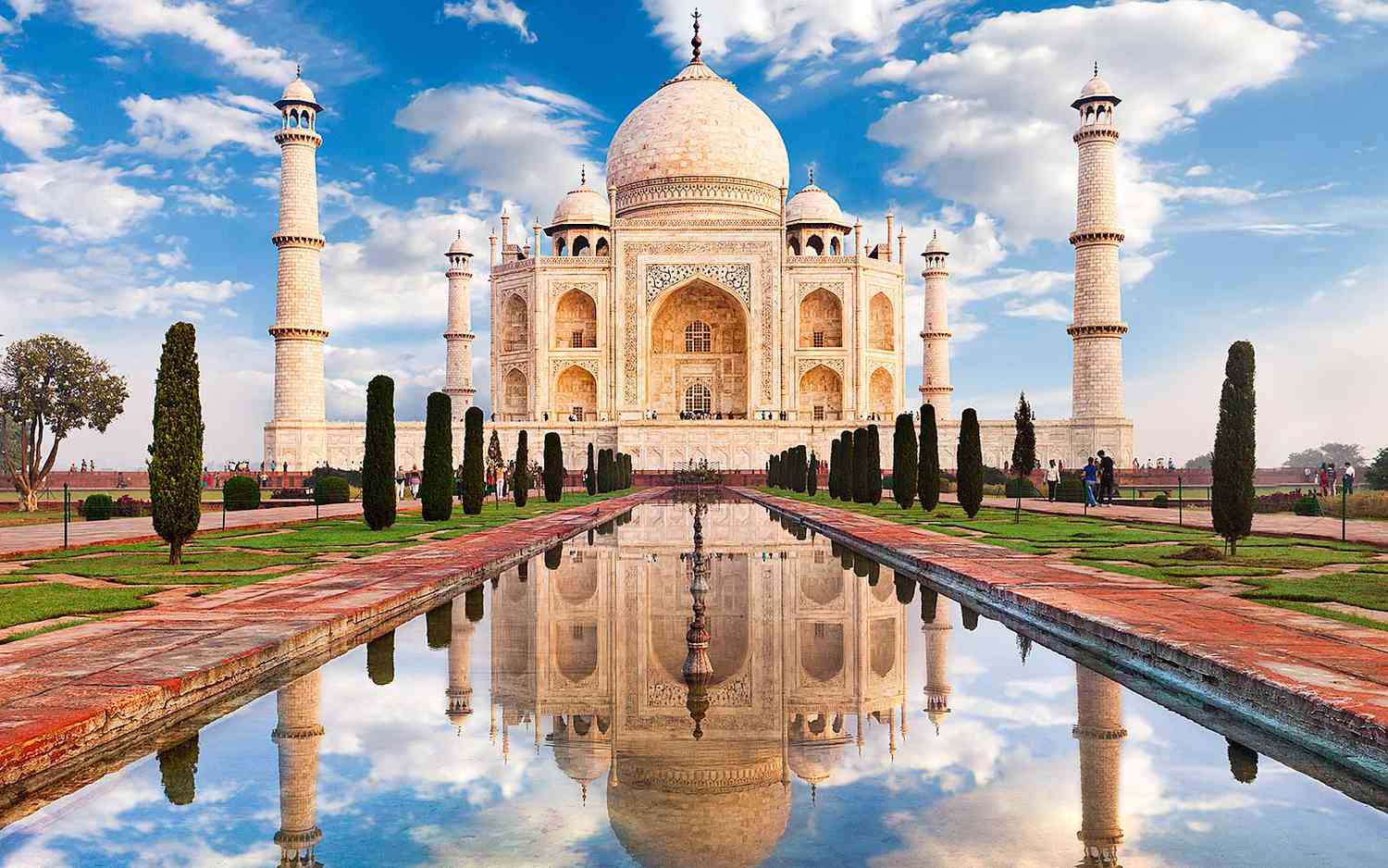
A controversial new Bollywood film, The Taj Story, is stirring nationwide debate by questioning the established history of the Taj Mahal—India’s world-famous monument to love. Critics argue the film fuels division and distorts historical facts, while supporters claim it reveals a hidden truth.
For decades, the Taj Mahal has stood as India’s most cherished symbol of love, but a new Bollywood film is attempting to recast it as a site of religious contention. Veteran tour guide Vishu Das, portrayed by actor Paresh Rawal, is shown emotionally questioning the story he has told visitors throughout his life. In one of the film’s most intense moments, he wonders whether the monument’s widely accepted Muslim origins are false—suggesting a DNA test could settle the truth. The scene ends with a bleak assertion: “We are spreading a lie.”
This dramatic sequence lies at the heart of The Taj Story, directed by Tushar Goel. Released in October, the film challenges centuries of documented history by advancing a long-debunked claim that the Taj Mahal was originally a Hindu structure later “repurposed” by Mughal rulers. Historians, archaeologists and cultural experts overwhelmingly reject this theory, yet the film has tapped into the wave of pseudo-historical narratives increasingly prevalent in India’s mainstream cinema.
Critics argue that such films intentionally demonize the country’s 200-million-strong Muslim population and subtly echo the ideological leanings of the Hindu-nationalist Bharatiya Janata Party (BJP). Although Goel insists that no political party financed the movie, Rawal, who plays the lead role, is a former BJP lawmaker.
India’s major publications have dismissed the film’s premise. The Indian Express described it as “a collage of conspiracy theories,” while The Week argued it failed to succeed either as cinema or propaganda. Despite these critiques, a segment of the audience has embraced the film’s narrative, convinced that it exposes suppressed truths.
The Taj Mahal, a 17th-century marble masterpiece built by Mughal emperor Shah Jahan in memory of his wife Mumtaz Mahal, draws millions of visitors each year. Its intricate architecture, riverside setting and romantic legacy have made it a global icon. But the film seeks to dismantle that story through a courtroom drama in which Das challenges its official historical record.
Throughout the movie, academic arguments are overshadowed by fiery speeches condemning “leftist agendas” and alleged distortions of history. Although the film opens with a disclaimer calling itself fiction, its narrative mirrors a broader movement in India that aims to reframe Mughal history as oppressive and illegitimate.
This trend has already influenced school textbooks, place-name changes and public debates surrounding Muslim heritage sites. The 1992 demolition of the Babri Masjid—linked to similar claims that it was built over a Hindu temple—remains one of the clearest examples of how such narratives can spark widespread violence.
The Taj Story also resonates with a past controversy in which a BJP politician demanded access to sealed rooms inside the monument to search for evidence of a Hindu temple—a claim that India’s Archaeological Survey has repeatedly refuted.
Historians emphasize that the Taj Mahal’s construction is one of the most well-documented architectural projects of its time. The Mughal Empire kept meticulous records, including court chronicles, payroll documents and construction logs. Scholars insist that these archives leave no room for alternative theories.
Yet Bollywood’s influence is enormous. As India’s most powerful cultural mirror, its films shape public understanding of history, identity and nationhood. Over the past decade, movies such as The Kashmir Files and The Kerala Story have drawn criticism for vilifying Muslims and distorting historical events. Meanwhile, films perceived as disrespecting Hindu beliefs have faced protests, boycotts and bans.
The Taj Mahal itself stands unchanged—its marble still gleaming across the Yamuna River—but the story India tells about it is increasingly contested. Historians warn that portraying Muslim rulers as villains in popular culture serves a dangerous political purpose.
As historian Swapna Liddle observes, while these films may be fictional, they have “an outsized influence” because many viewers accept them as factual. The growing trend, she says, is “very consciously projecting historical Muslim figures as villains,” reflecting “a political agenda” that risks deepening divisions in a diverse nation.