Sri Lanka
 USA
USA Canada
 India
India UK
UK UAE
UAE




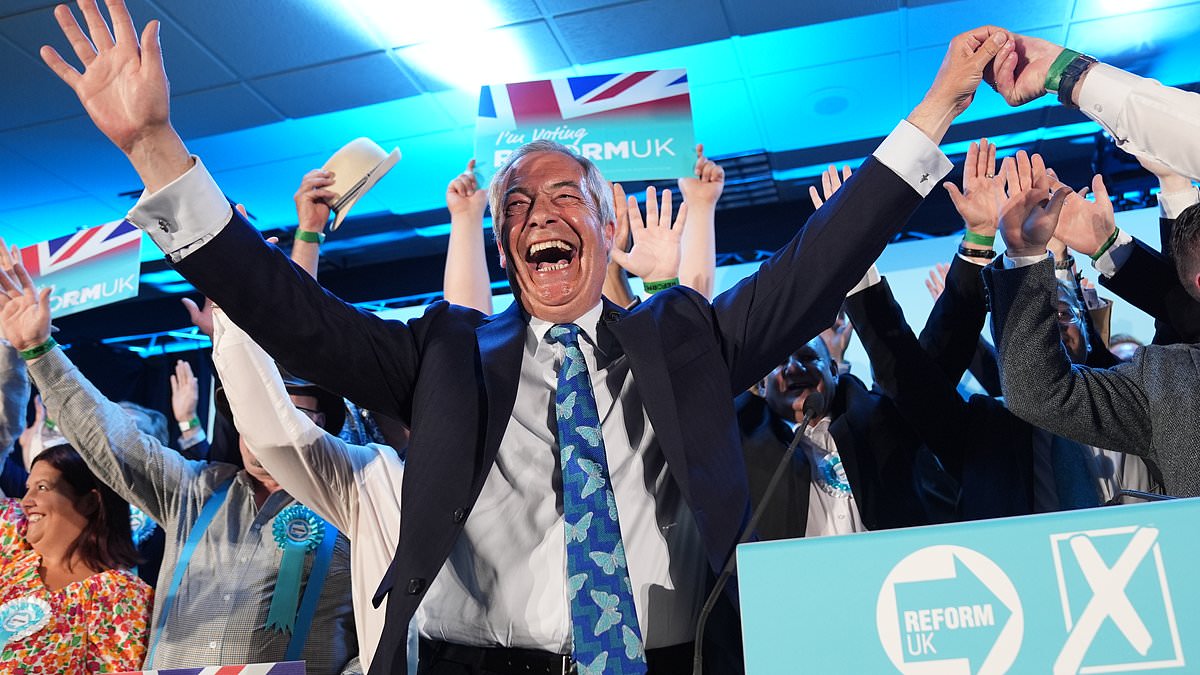
England’s latest local elections delivered dramatic results that may reshape the political landscape.
The Reform Party, led by Nigel Farage, made significant inroads—gaining control of 10 councils, winning 2 mayoral contests, and clinching their fifth MP in a razor-thin by-election victory in Runcorn and Helsby. Farage declared it a “historic shift,” saying Reform is now the real opposition in the UK.
The Liberal Democrats also had reason to cheer, taking control of three councils and adding dozens of seats. Party leader Ed Davey proudly declared them the “party of Middle England.”
Meanwhile, it was a bruising day for the Labour Party. Despite narrowly holding mayoral posts in North Tyneside, Doncaster, and the West of England, they lost the Cambridgeshire and Peterborough mayoralty to the Conservatives and shed over 180 councillors. Prime Minister Keir Starmer admitted the results were “disappointing.”
The Conservatives fared even worse, losing more than 670 councillors across England. Party leader Kemi Badenoch said she remains “determined to win back trust.”
The elections were seen as a major test for both major parties after last year’s general election—and the results suggest that UK politics may be heading into a new era of multiparty influence.