Sri Lanka
 USA
USA Canada
 India
India UK
UK UAE
UAE




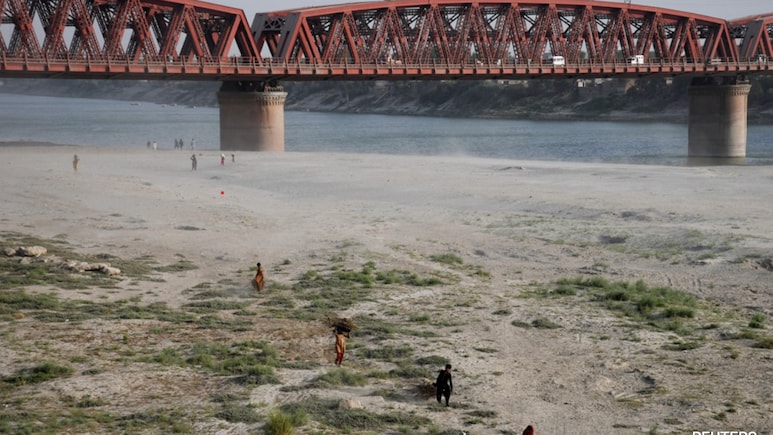
Pakistan is facing a deepening water crisis as India suspends key aspects of the Indus Waters Treaty, originally signed in 1960. A new report from Pakistan’s Indus River System Authority (IRSA) reveals a 13.3% year-on-year shortfall in water released from the Indus River System — a lifeline for millions of farmers in Punjab province.
On June 5, just 124,500 cusecs of water were released from the Indus basin, compared to 144,000 cusecs during the same period last year. Experts warn this will severely affect the sowing of Kharif (monsoon) crops, particularly as monsoon rains are still weeks away.
The crisis stems from India’s decision to suspend cooperation under the Indus Waters Treaty in response to the Pahalgam terror attack, which claimed 26 lives. This move allows India greater control over western rivers (Indus, Jhelum, Ravi), reducing flow to Pakistan and withholding river data—raising flood risk during monsoon months.
Adding to the hardship, Pakistan is bracing for an intense heatwave, with temperatures in Karachi reaching 37°C and soaring even higher in Balochistan and Sindh, already 6°C above average.
Despite four formal letters from Islamabad requesting reconsideration, India has held firm. Prime Minister Narendra Modi has stated the suspension will remain unless Pakistan acts decisively against cross-border terrorism.
The Indus basin, vital for agriculture, peace, and water security in both nations, is now a geopolitical fault line with consequences for food systems, diplomacy, and regional stability.