Sri Lanka
 USA
USA Canada
 India
India UK
UK UAE
UAE




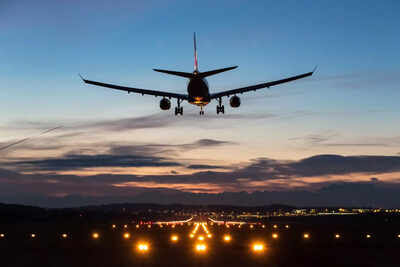
In the aftermath of the Pahalgam terror attack on April 22, 2025, which tragically killed 26 Hindu tourists, tensions between India and Pakistan have escalated into a full-scale diplomatic and aviation standoff. The consequences are now reverberating across international air travel routes.
Reciprocal Airspace Closures
India has accused Pakistani nationals of involvement in the attack, leading Pakistan to shut its airspace to Indian airlines on April 24.
In response, India issued a Notice to Airmen (NOTAM) on April 30, barring all Pakistani-registered and operated aircraft — including military aircraft — from entering Indian airspace. This restriction is set to remain in effect until May 23.
Impact on Global Aviation
The mutual airspace bans have caused widespread disruption in international aviation:
Over 600 international flights operated by Indian airlines, including Air India and IndiGo, have been forced to reroute.
Flights from San Francisco to Delhi, for example, now require extra fuel stops, increasing both flight duration (by up to four hours) and operational costs.
The rerouting is expected to affect scheduling, ticket prices, and cargo logistics on several key transcontinental routes.
Aviation experts warn that if the standoff continues, it may lead to further global ripple effects for airlines operating across Asia, Europe, and the Middle East.