Sri Lanka
 USA
USA Canada
 India
India UK
UK UAE
UAE




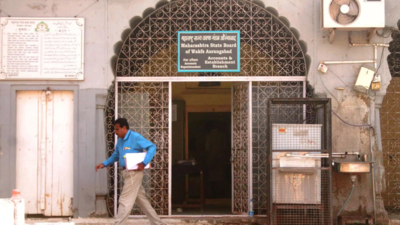
India’s Ministry of Minority Affairs is launching ‘UMEED’, a central digital portal designed to create a unified, transparent database of over 9 lakh waqf properties across the country. The initiative marks a major step in improving waqf property governance through digitisation and standardised registration.
Minority Affairs Minister Kiren Rijiju, speaking at the Central Waqf Council on World Environment Day, clarified that the portal is fully aligned with the Constitution and existing laws. He dismissed concerns raised by the All India Muslim Personal Law Board (AIMPLB), which has vowed to challenge the Waqf Amendment Act 2025 in the Supreme Court. Rijiju insisted the portal’s opponents are misinformed or politically motivated, and said they will “regret their stance” once they see the positive outcomes.
The UMEED portal will allow:
State Waqf Boards to register and upload verified property data
Caretakers (Mutawallis) to input details as ‘makers’
Waqf Board officials to act as ‘checkers’
Government authorities to function as final ‘approvers’
Only waqf properties existing before April 8, 2025 (when the amended law came into effect), and already registered under the 1995 Act, can be uploaded in the first phase. This measure aims to prevent fraudulent claims and ensure a clean, verified database.
Authorities have six months to upload existing waqf property records. New waqf properties must follow the updated process under the 2025 law.
Rijiju has called on all state governments and waqf boards to actively participate in the rollout, saying the portal will ensure greater accountability, efficiency, and transparency in the management of these religious and charitable assets.