Sri Lanka
 USA
USA Canada
 India
India UK
UK UAE
UAE




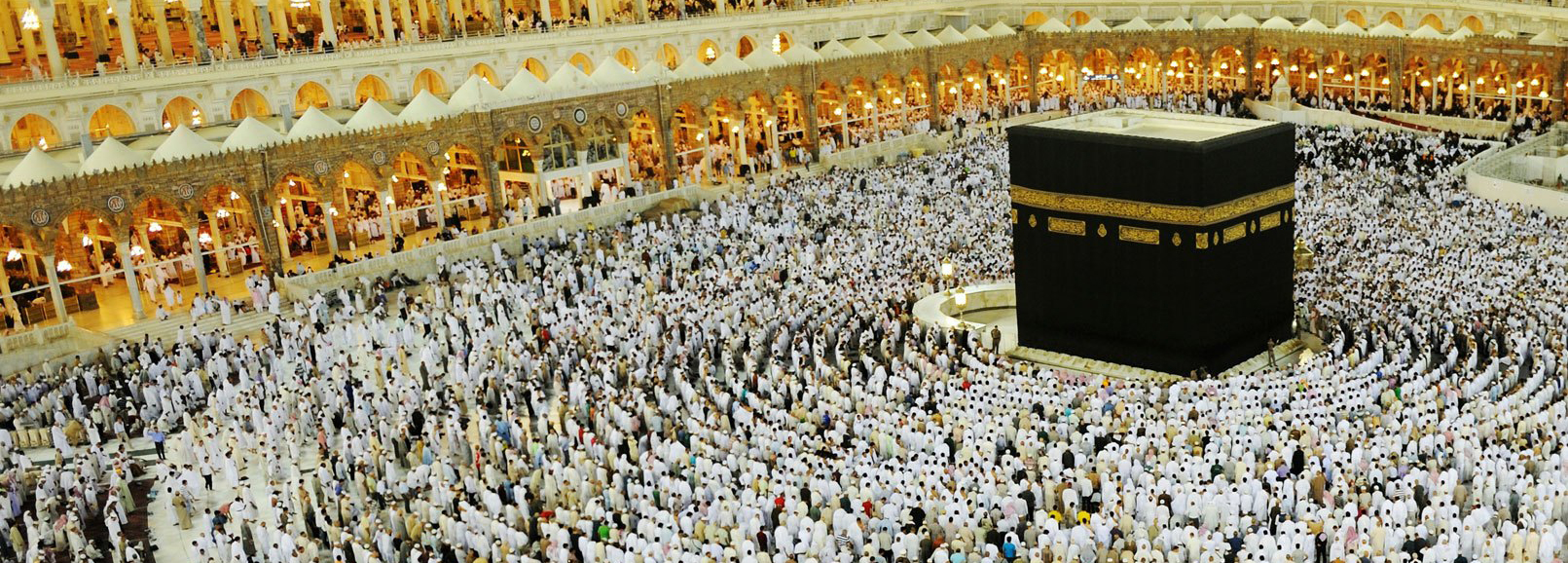
As millions of Muslims around the world prepare for the Hajj pilgrimage each year, growing awareness of climate change is encouraging pilgrims to adopt a more sustainable approach to their sacred journey. In 2024, a devastating heatwave in Saudi Arabia claimed 1,300 lives during Hajj, a tragic event that scientists have attributed to the intensifying effects of climate change.
In response to this, there is a rising call to integrate environmental practices into the spiritual journey, aligning with the Quranic teachings that emphasize the preservation of the Earth. The Quran reminds believers: “Do not do mischief on the Earth, after it hath been set in order.”
Hajj is seen as a transformative spiritual experience for Muslims, offering a chance for personal renewal and self-reflection. This presents an ideal moment to introduce sustainable habits into one’s life, not just for the journey, but as part of a long-term commitment to environmental stewardship.
Here are 13 ways to make your Hajj more sustainable:
Plan ahead to minimize waste and unnecessary consumption.
Stay hydrated with reusable water bottles to reduce single-use plastic waste.
Support eco-friendly accommodations that prioritize sustainability.
Use biodegradable products like paper or jute shopping bags instead of plastic.
Choose sustainable clothing, avoiding synthetic fabrics such as polyester and nylon.
Limit energy consumption by using energy-efficient appliances and lights.
Reduce food waste by taking only what you can eat.
Travel lightly, reducing your carbon footprint with minimal luggage.
Carpool or use eco-friendly transportation where possible.
Conserve water by using only what is necessary for ablution and personal hygiene.
Avoid excessive shopping—only purchase items that are truly needed.
Donate sustainably by supporting local initiatives that have a positive environmental impact.
Plant a tree in pilgrimage sites or at home to contribute to reforestation efforts.
As Muslims embrace this green Hajj, it not only helps protect the planet, but it also aligns with the core principles of Islam that advocate for a balanced and harmonious relationship with nature.