Sri Lanka
 USA
USA Canada
 India
India UK
UK UAE
UAE




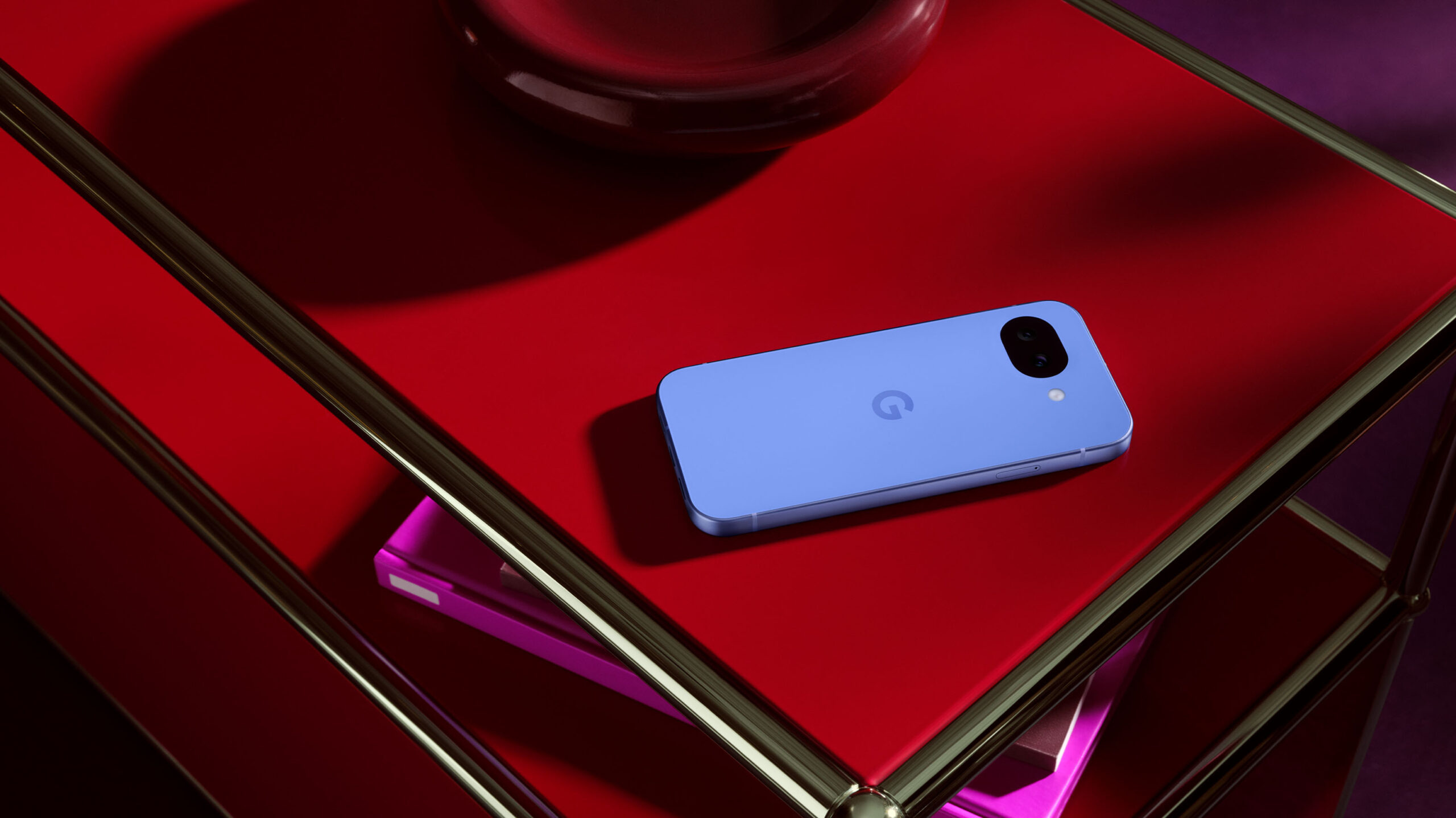
Google has officially introduced the Google Pixel 10a, its newest mid-range smartphone designed to bring premium AI-driven features, strong camera performance and extended software support to a more accessible price segment.
Announced via an official blog post, Google confirmed the Pixel 10a carries a starting price of $499, positioning it as one of the most affordable gateways into the Pixel lineup while retaining many of the intelligent features found on higher-end models.
The phone sports a 6.3-inch Actua display and boasts improved durability, with Gorilla Glass 7i protection and an IP68 rating for water and dust resistance. Google says this makes the Pixel 10a the toughest A-series device it has produced so far. Battery life is rated at more than 30 hours, and for the first time in the A-series, the device includes Satellite SOS, enabling emergency communication even when mobile networks are unavailable.
Sustainability is also a key focus of the Pixel 10a’s design. Google says the handset incorporates recycled materials such as cobalt, copper, gold and tungsten, alongside a recycled aluminium frame and plastic rear panel, underscoring the company’s efforts to reduce the environmental impact of its hardware.
Photography remains central to the Pixel experience. The Pixel 10a features a 48-megapixel main camera paired with a 13-megapixel ultra-wide lens, supported by software-powered tools including Night Sight and Macro Focus. The A-series has earned a reputation for delivering camera performance that outperforms its price category, largely due to Google’s computational photography and AI processing.
Pre-orders in the United States are already open, ahead of the phone’s official launch on March 5, 2026. Select retailers are offering early incentives such as store credits or bundled Pixel Buds. Initial hands-on impressions suggest the Pixel 10a refines last year’s model with brighter visuals, tougher display glass and faster charging, though some advanced AI features remain exclusive to flagship Pixel devices due to hardware constraints.
The smartphone also comes with up to seven years of software and security updates, reflecting a growing industry push toward longer device lifespans and improved long-term value for consumers.