Sri Lanka
 USA
USA Canada
 India
India UK
UK UAE
UAE




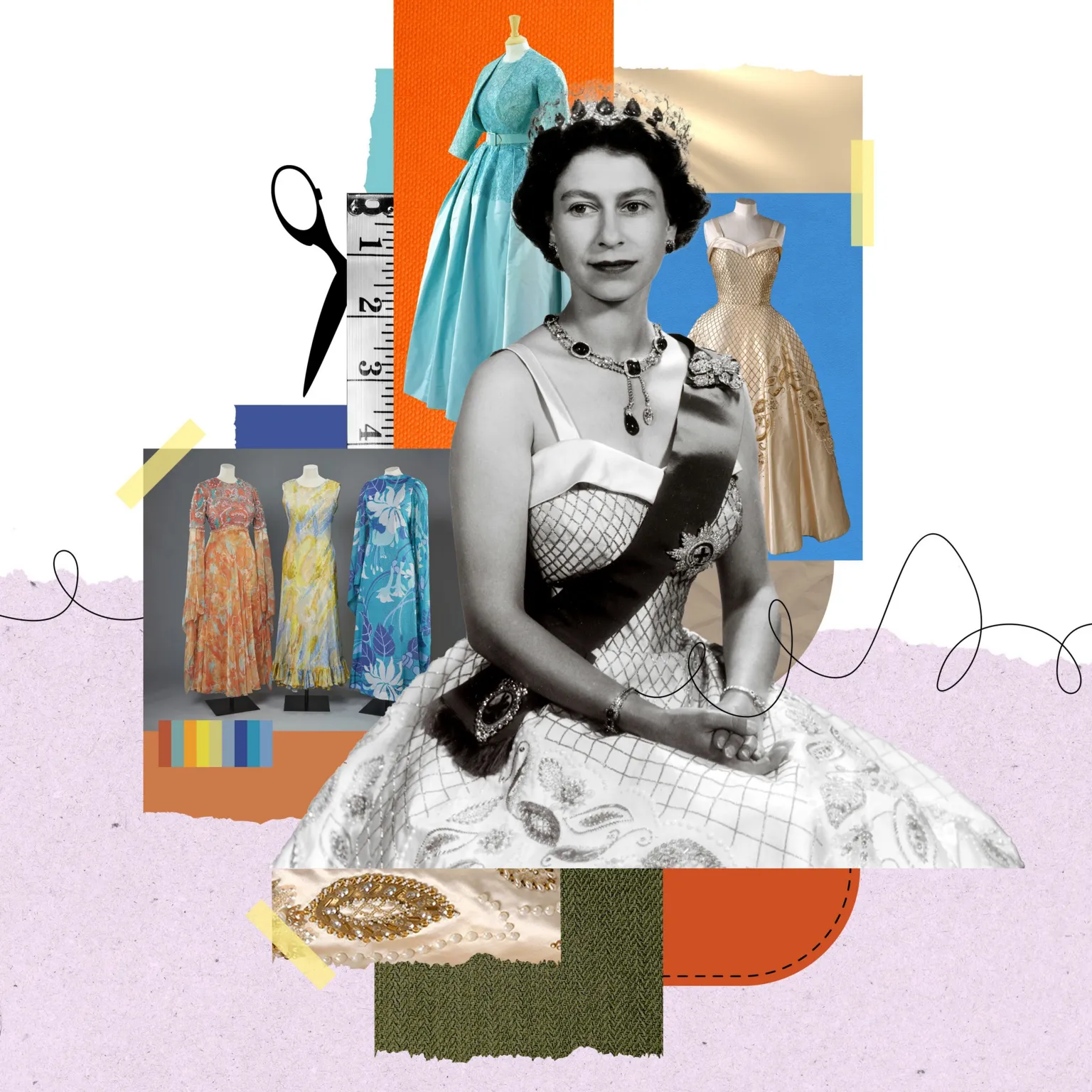
Queen Elizabeth II was not only the longest-reigning monarch in British history, but also one of the most instantly recognisable figures in the world—thanks in part to her distinctive and carefully curated style. Though conservative and restrained, her fashion choices carried deep symbolism, reflecting stability, diplomacy, and quiet authority.
A new exhibition titled Queen Elizabeth II: Her Life in Style, opening at The King’s Gallery, Buckingham Palace, showcases more than 200 items from the late Queen’s wardrobe, spanning ten decades of her life. From regal gowns to practical outdoor wear, the collection highlights how her clothing evolved alongside Britain itself. Among these, five outfits stand out as especially iconic.
The Tweed Jacket and Tartan Skirt

First worn in the 1950s, the Harris tweed jacket paired with a Balmoral tartan skirt became a hallmark of the Queen’s off-duty look. Designed by Norman Hartnell, the outfit reflected her love for the outdoors while subtly promoting British craftsmanship. Fashion commentators note that its understated elegance symbolised authority without extravagance, reinforcing the Queen’s image as a steady and dependable leader.
The Coronation Dress (1953)

Perhaps the most symbolic of all her outfits, the Queen’s coronation gown was crafted from British silk and adorned with intricate embroidery. Alongside traditional UK emblems, floral symbols from across the Commonwealth—including India’s lotus—were included at her request. The dress was a powerful visual statement of unity, heritage, and global connection.
The Eisenhower Dress

Worn during a 1957 state banquet for US President Dwight Eisenhower, this sleeveless green gown was another Hartnell creation. While its symbolism has been widely debated, experts believe the bold colour and refined design reflected Britain’s confidence and its diplomatic ties with the United States during the Cold War era.
The Blue Gown and Bolero Jacket

The kingfisher-blue gown worn at Princess Margaret’s wedding in 1960 marked a turning point in royal fashion. Elegant and timeless, it echoed the bride’s silhouette and represented the final era of formal, full-length wedding attire for non-brides. It also highlighted the Queen’s growing preference for blue—a colour often associated with calm, trust, and diplomacy.
The Transparent Raincoat

Among the most unexpected items in the exhibition is a clear plastic raincoat from the 1960s, designed by Hardy Amies. Practical yet forward-thinking, it allowed the Queen’s brightly coloured outfits to remain visible even in bad weather. This piece symbolised her awareness of public presence and her subtle embrace of modern fashion trends.
Though Queen Elizabeth II never sought to be a fashion icon, her style left an enduring legacy—elegant, purposeful, and unmistakably British. The exhibition opens to the public on 10 April 2026, offering a rare glimpse into how fashion became a quiet but powerful tool of monarchy.