Sri Lanka
 USA
USA Canada
 India
India UK
UK UAE
UAE




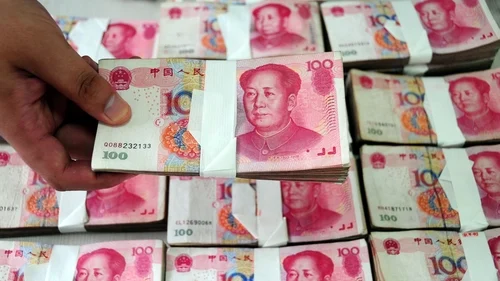
China’s consumer price growth slowed in January, raising concerns about weak domestic demand, even as authorities announced new measures to stimulate spending during the Lunar New Year holiday period.
China’s consumer price inflation slowed in January, missing analysts’ expectations, according to official data released today. The consumer price index (CPI), a key indicator of inflation, rose only 0.2 percent year-on-year, down from 0.8 percent in December and below the 0.4 percent forecast by analysts.
The slowdown comes as China continues to struggle with weak domestic consumption since the end of the Covid-19 pandemic, posing challenges to the government’s economic growth targets. Officials have highlighted the upcoming nine-day Lunar New Year holiday—the longest in history—as an opportunity to stimulate consumer spending and economic activity.
Despite previous measures, including subsidies for household goods, efforts to boost consumption have shown limited results. Analysts warn that deflationary pressures may persist due to ongoing imbalances between supply and demand. Capital Economics analyst Zichun Huang noted that while inflation may rebound in February, deflation risks are likely to remain in the near term.
Chinese authorities announced additional initiatives to encourage spending, including distributing consumer vouchers, subsidies, and traditional monetary gifts during the holiday period. Local governments have allocated more than 2 billion yuan to directly benefit consumers.
Meanwhile, data suggested a slight easing of deflation in the manufacturing sector. The producer price index (PPI) fell 1.4 percent year-on-year, marking the slowest decline since mid-2024 and showing improvement compared to forecasts. Experts said this could indicate reduced deflationary pressure in manufacturing, partly due to global commodity market volatility.
China’s economy grew 5 percent in 2025, meeting the government’s target but remaining among the slowest growth rates in decades. Analysts expect authorities to announce a similar or slightly lower growth target for 2026 at an upcoming political meeting in March.