Sri Lanka
 USA
USA Canada
 India
India UK
UK UAE
UAE




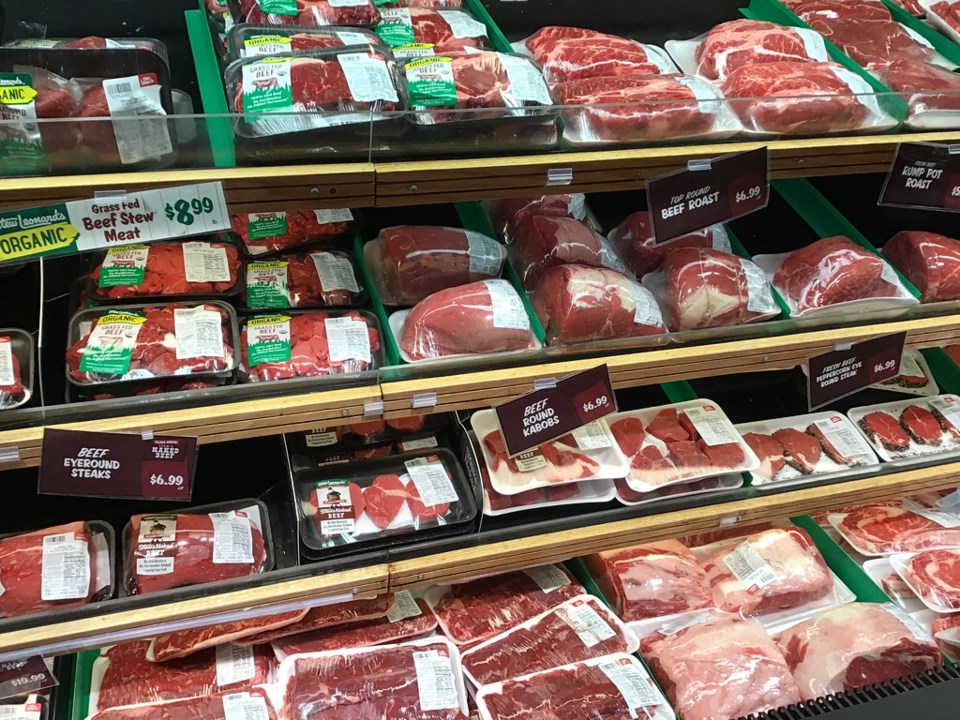
For the first time since 2003, Canada is once again exporting beef to Australia, following the removal of restrictions related to Bovine Spongiform Encephalopathy (BSE), also known as mad cow disease.
After completing a comprehensive risk assessment, Australian authorities lifted their long-standing BSE-related ban, opening the door for premium Canadian beef to enter the Australian market.
Dennis Laycraft, Executive Vice-President of the Canadian Cattle Association, called the move “a long time coming,” and hopes it will send a signal to other Asian countries like China and South Korea, which still maintain various restrictions on Canadian beef.
“With Australia being a leader in this area, we hope this sends a positive message to the rest of the world,” said Laycraft.
While Australia is a major beef producer and exporter itself, Laycraft described the new market as a “boutique” opportunity — ideal for high-end restaurants and special occasion cuts seeking premium variety.
He also praised the Canadian Food Inspection Agency (CFIA) for its sustained advocacy and cooperation with Australian regulators. Past tours and inspections helped demonstrate Canada’s compliance with stringent animal health standards, which ultimately contributed to Australia’s decision.
Australia was among the last countries with BSE-based restrictions still in place. South Korea maintains its own quality standards, especially concerning grain-fed and under-30-month beef, while China has had a more complex and politically strained relationship with Canada, particularly since the 2021 Huawei executive arrest and a subsequent case of atypical BSE.
Laycraft emphasized that today’s international standards recognize atypical BSE as low-risk and should not be used to justify market closures — a point that Canada continues to press with China.