Sri Lanka
 USA
USA Canada
 India
India UK
UK UAE
UAE




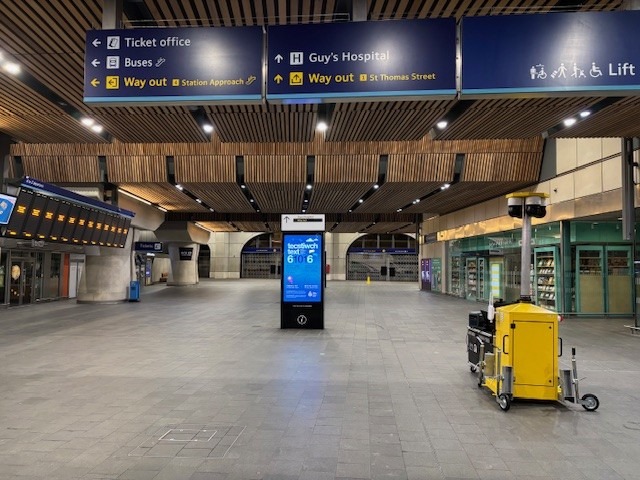
The British Transport Police (BTP) has launched a six-month trial of Live Facial Recognition (LFR) technology at London Bridge railway station, marking a major step in the use of advanced surveillance technology in public transport security.
The British Transport Police (BTP) commenced a trial of Live Facial Recognition (LFR) technology on Wednesday, 11 February, at London Bridge railway station as part of a six-month pilot project. The initiative follows an announcement made in November and aims to assess the effectiveness of facial recognition technology in a railway environment.
BTP confirmed that the dates and locations of all LFR operations will be published online before they take place to ensure transparency and public awareness. The project has been developed in collaboration with Network Rail, the Department for Transport, and the Rail Delivery Group.
Chief Superintendent Chris Casey, who is overseeing the project, stated that the trial is intended to evaluate how the technology performs in real-life railway settings. He noted that the initiative forms part of BTP’s commitment to using innovative technologies to enhance public safety and to make the railways a hostile environment for individuals wanted for serious criminal offences.
The facial recognition system scans faces and compares them to a watchlist of individuals wanted for serious crimes. If a match is detected, the system generates an alert, which is reviewed by an officer before further action is taken.
BTP also highlighted privacy safeguards, stating that alternative routes will be available for individuals who prefer not to enter the recognition zone. Images of individuals not on the authorised watchlist will be deleted immediately and permanently.
The public has been invited to share feedback on the trial through QR codes displayed at the station. The findings of the pilot programme are expected to inform future decisions on the wider use of facial recognition technology in the UK railway network.