Sri Lanka
 USA
USA Canada
 India
India UK
UK UAE
UAE




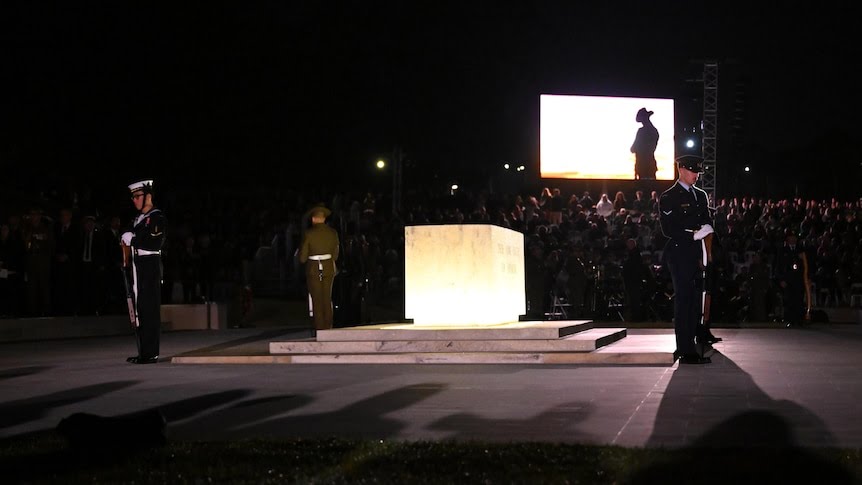
Marking 110 years since the Gallipoli landings, Australians across the country gathered at dawn services to honour the sacrifices of past and present servicemen and women, embracing themes of remembrance, unity, and peace.
On the 110th anniversary of the Gallipoli landings, Australians and New Zealanders united in solemn reflection at Anzac Day dawn services held across the nation. April 25, 1915, signified the beginning of the Anzacs’ first major military engagement in World War I, and more than 100,000 Australians have since died in wars.
In Canberra, over 26,000 people gathered at the Australian War Memorial, where a poignant dawn service opened with the haunting sound of the didgeridoo, performed by Flight Lieutenant and Wiradjuri man James Evans in tribute to First Nations soldiers. Prime Minister Anthony Albanese delivered the official dedication, stating, “We feel them still near us in spirit. We wish to be worthy of their great sacrifice,” urging Australians to let their memory guide them toward bringing light to the darkest corners of the world.
Rear Admiral Matt Buckley, Deputy Chief of the Navy, echoed this sentiment, expressing faith in future generations: “If dark days should come again, I am confident that their generation and those who follow will do what is required.” He honoured the over 103,000 Australians memorialised on the Wall of Remembrance for their ultimate sacrifice.
Despite rainfall, thousands in Sydney stood firm at the Martin Place Cenotaph. NSW Premier Chris Minns reminded the crowd of the enduring significance of Anzac Day, stating, “There is no higher example of public service than giving one’s own life while serving in our defence forces. Today, with gratitude, we pause and acknowledge their sacrifice. Lest we forget.”
In Melbourne, large crowds gathered at the Shrine of Remembrance, though the event was briefly disrupted by hecklers during the Welcome to Country address by Gunditjmara elder Uncle Mark Brown. Applause from the wider crowd quickly drowned out the interruption. MC Justin Smith emphasized the unique meaning of the day: “There’s no other gathering like this one… to honour the people who have done it, who sacrificed their own happiness and lives.”
Hobart’s Cenotaph was bathed in red light, where Governor Barbara Baker read the requiem, and Reverend Dean Richard Humphrey issued a powerful call for peace, quoting the late Pope Francis: “Countries, instead of testing the weapon of dialogue… we are going to the weapon of arrogance.”
In Brisbane, thousands sought shelter under umbrellas at Anzac Square as Queensland Governor Jeanette Young led a wreath-laying ceremony. “It is through our present that we continue to build on a tradition that has the power to unite us,” she said.
Severe weather in parts of Queensland, including the Sunshine Coast, led to the cancellation of some services due to flooding and lightning.
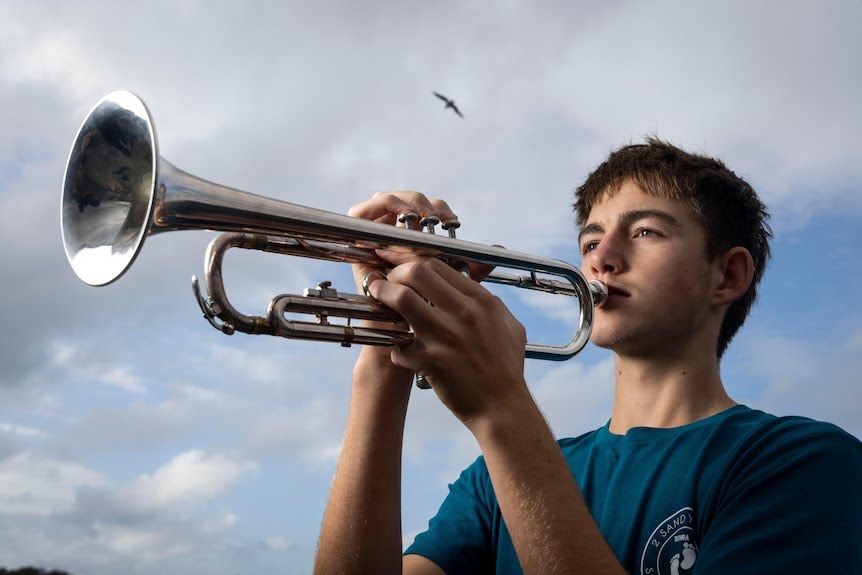
In rural towns, Anzac Day was no less meaningful. The tiny community of Morven in southwest Queensland held its first dawn service, with veterans and war nurses making long journeys to attend. Organiser Annabelle Brayley noted that many locals have deep family connections to wartime history.
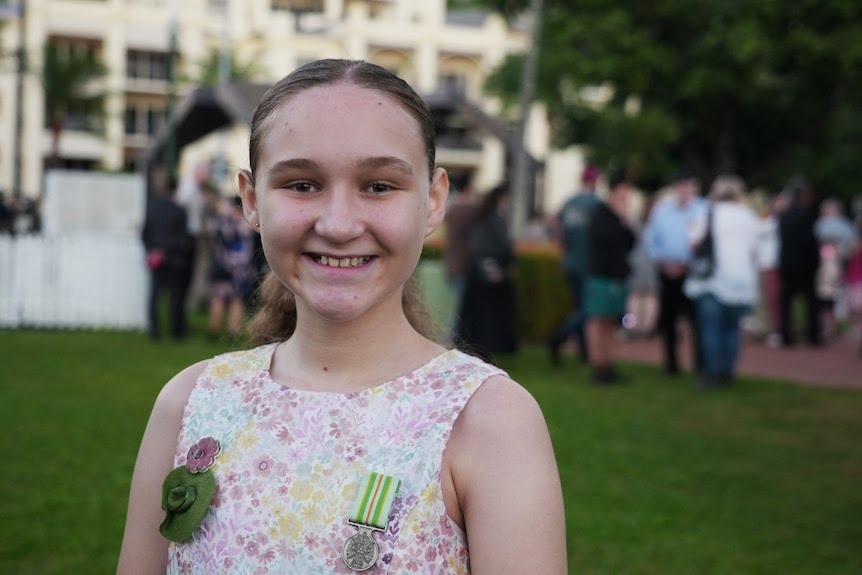
In Townsville, 12-year-old Lily Walsh proudly wore her medal for “perseverance on the home front,” reflecting on her father’s military service in Afghanistan. “It’s not that I wear my dad’s medal but my own — my own special one,” she said.
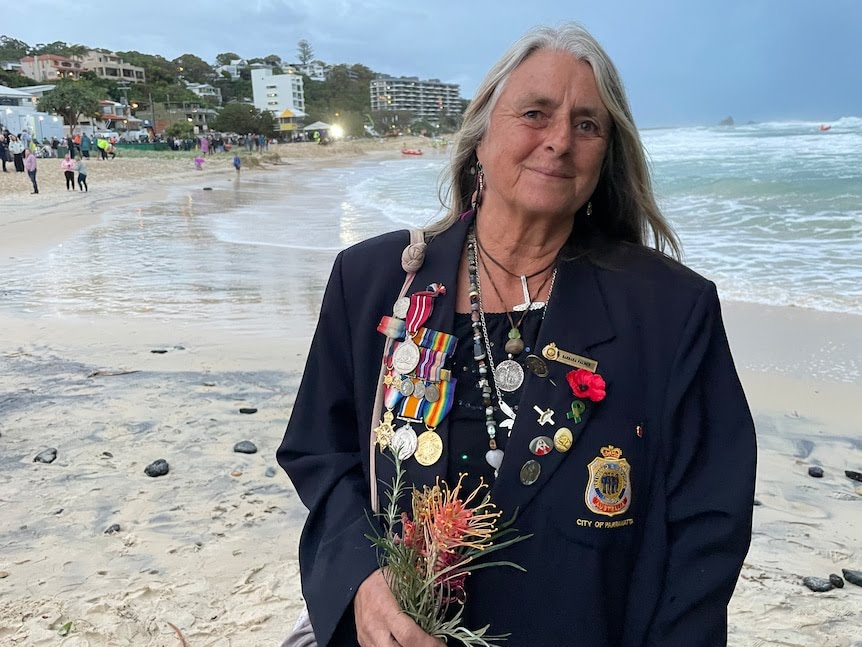
Meanwhile, at Currumbin Beach on the Gold Coast, surf boats honoured veterans by paddling out at sunrise to scatter their ashes, continuing the Anzac legacy with a burial at sea.
#AnzacDay2025 #Gallipoli110Years #AustralianWarMemorial #LestWeForget #AnzacDayDawnService #AustralianHistory #MilitarySacrifice