Sri Lanka
 USA
USA Canada
 India
India UK
UK UAE
UAE




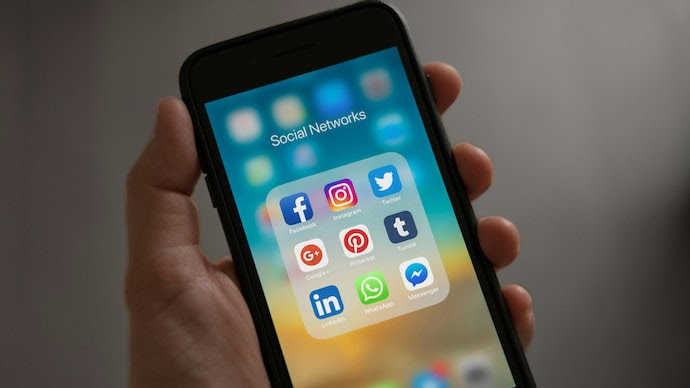
In a bold move to safeguard children’s mental health, Australia has announced a nationwide social media ban for those under 16 years old, effective December 10, 2025. Platforms such as Instagram, TikTok, and YouTube will be legally required to block underage users or face heavy fines.
Australia is set to introduce one of the world’s toughest social media restrictions as part of a nationwide effort to protect children’s mental well-being and online safety. Starting December 10, 2025, anyone under the age of 16 will be prohibited from using major social media platforms under the Online Safety Amendment (Social Media Minimum Age) Bill 2024.
The legislation mandates that popular platforms, including Facebook, Instagram, TikTok, Snapchat, YouTube, X (formerly Twitter), Reddit, Threads, and Kick, must block users below the legal age limit. Those failing to comply could face penalties of up to USD 49.5 million.
Prime Minister Anthony Albanese stated that the move aims to ensure the benefits of the digital world do not come “at the cost of children’s mental health or development.” He emphasized that online spaces must become safer and more accountable for the well-being of younger users.
The government has clarified that platforms designed primarily for social interaction will be targeted, while certain apps with educational or gaming purposes — such as Messenger, WhatsApp, YouTube Kids, Discord, GitHub, LEGO Play, Roblox, Steam, and Google Classroom — will remain accessible for users under 16.
However, the ban has sparked backlash from major tech companies. Google, Snap, Meta, TikTok, and X have criticized the legislation for being vague, difficult to enforce, and potentially in conflict with international privacy and human rights laws. TikTok, in particular, warned that the government’s broad definition of a “social media platform” could apply to almost any online service.
Youth advocacy groups have also expressed disappointment, claiming that the government failed to include young voices in the policymaking process. Members of the eSafety Youth Council acknowledged the dangers of social media but argued for more balanced, youth-informed solutions instead of outright bans.
Enforcement remains one of the most significant challenges. Officials are reportedly exploring options such as ID verification, parental consent systems, or facial recognition technology to prevent underage users from accessing restricted platforms.
As Australia prepares to roll out one of the world’s strictest social media age restrictions, the debate between child safety and digital freedom continues to draw international attention and scrutiny.