Sri Lanka
 USA
USA Canada
 India
India UK
UK UAE
UAE




Australia has imposed a temporary ban of up to two years on one of its citizens due to alleged links with the extremist group Islamic State, preventing the individual from re-entering the country.
The decision affects a group of 34 Australian women and children who recently attempted to return home after being released from a detention camp in Syria earlier this week. Their journey was halted when Syrian authorities stopped them from departing, citing unspecified “technical issues”.
Home Affairs Minister Tony Burke said the exclusion order was made following recommendations from national security agencies. He confirmed that only one individual met the legal criteria for such a ban, while the remaining 33 did not reach the threshold required under Australian law.
The federal government has declined to assist in repatriating the group, which is believed to consist largely of wives, widows and children of former IS fighters. Of the total, 23 are minors.
Prime Minister Anthony Albanese reiterated that the government would not provide assistance for their return, arguing that those involved had knowingly aligned themselves with violent extremist ideology.
Speaking to reporters, Albanese said individuals must accept responsibility for their choices, adding that the ideology they embraced posed a direct threat to democratic values and Australian society.
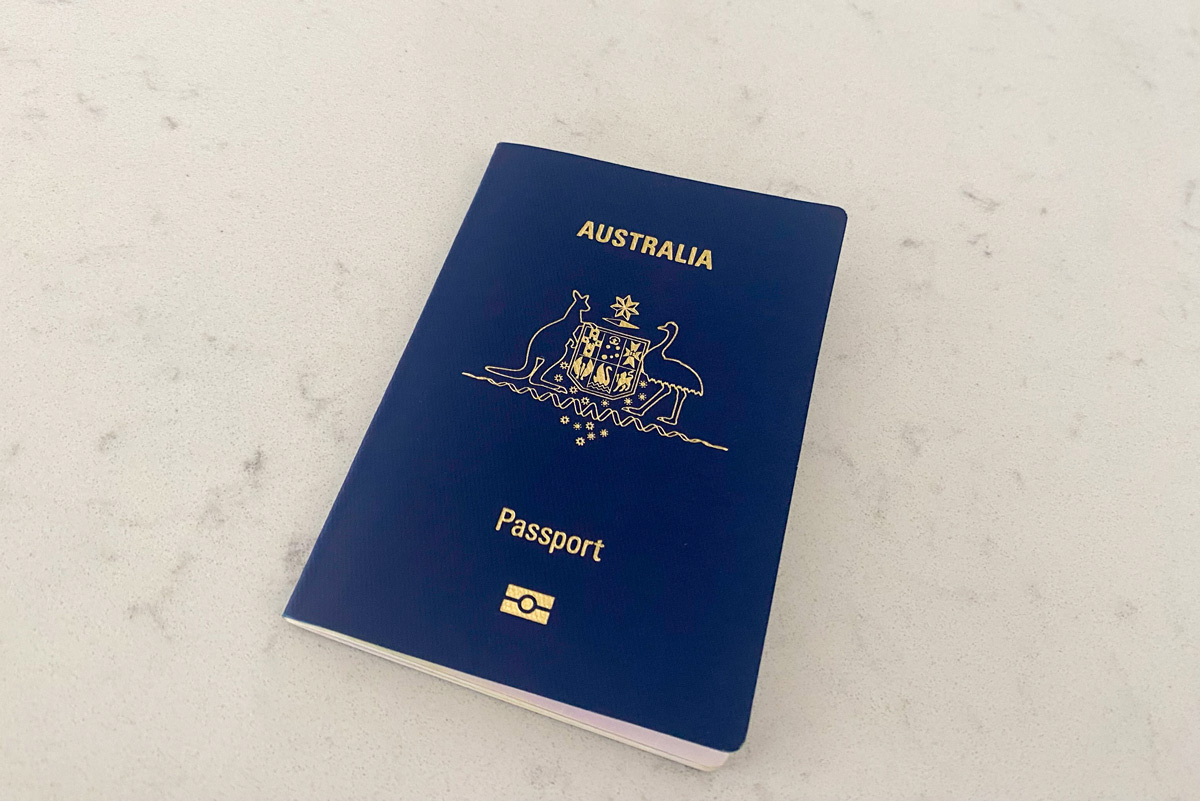
Legal experts, however, have cautioned that citizens have a fundamental right to return to their home country. Responding to claims that the group held valid Australian passports, Albanese maintained that his government would not act outside the bounds of national law.
The group has been held at the al-Roj camp, one of several detention centres in northern Syria that have housed Australians since 2019, after IS lost control of its last territorial stronghold.
Opposition figures have raised questions over the government’s decision, with Liberal Senator Jonno Duniam arguing it was inconsistent to consider only one individual a security risk while allowing the rest to remain eligible to return. He indicated the opposition would support legislative changes to tighten restrictions if required.
The al-Roj camp currently shelters more than 2,000 people from around 40 countries, most of them women and children. Among those reportedly detained there is Shamima Begum, who lost her UK citizenship on national security grounds in 2019.
In an interview with ABC, the camp’s director, Hakmiyeh Ibrahim, urged governments to take responsibility for their nationals, warning that children in the camp are growing up exposed to extremist beliefs and unsafe conditions.
Humanitarian groups have repeatedly raised concerns about widespread malnutrition, poor sanitation and limited access to healthcare in such camps. Several countries, including France, the Netherlands and the United Kingdom, have also declined to repatriate most of their citizens still held in Syria.